Industry · Logistics

Cooling Vest for Warehouse & Logistics Workers

Warehouses without HVAC. Yard crews under direct sun. Last-mile drivers in 120°F+ cabs. ClemaCore is an active cooling vest worn under hi-vis — 8–12 hr with one battery swap, no ice, no water, no downtime.

The problem

Most logistics workspaces are not climate-controlled.

No A/C

Most warehouses are not climate-controlled

Older distribution centers and high-bay warehouses run at outside-temperature plus radiant gain through the roof.

120°F+

Last-mile cabs trap heat

Delivery trucks and step vans hit 120°F+ in summer. A/C only helps when the driver is in the seat.

Peak season

Heat = peak shipping volume

For many sectors, peak summer is also peak shipping demand. Heat-driven productivity loss compounds with throughput pressure.

Turnover

Heat drives attrition

Heat is a top reason for early-tenure attrition in warehouse and yard ops. Replacement and re-training cost adds up fast.

How Clema helps

Cooling that travels with the worker.

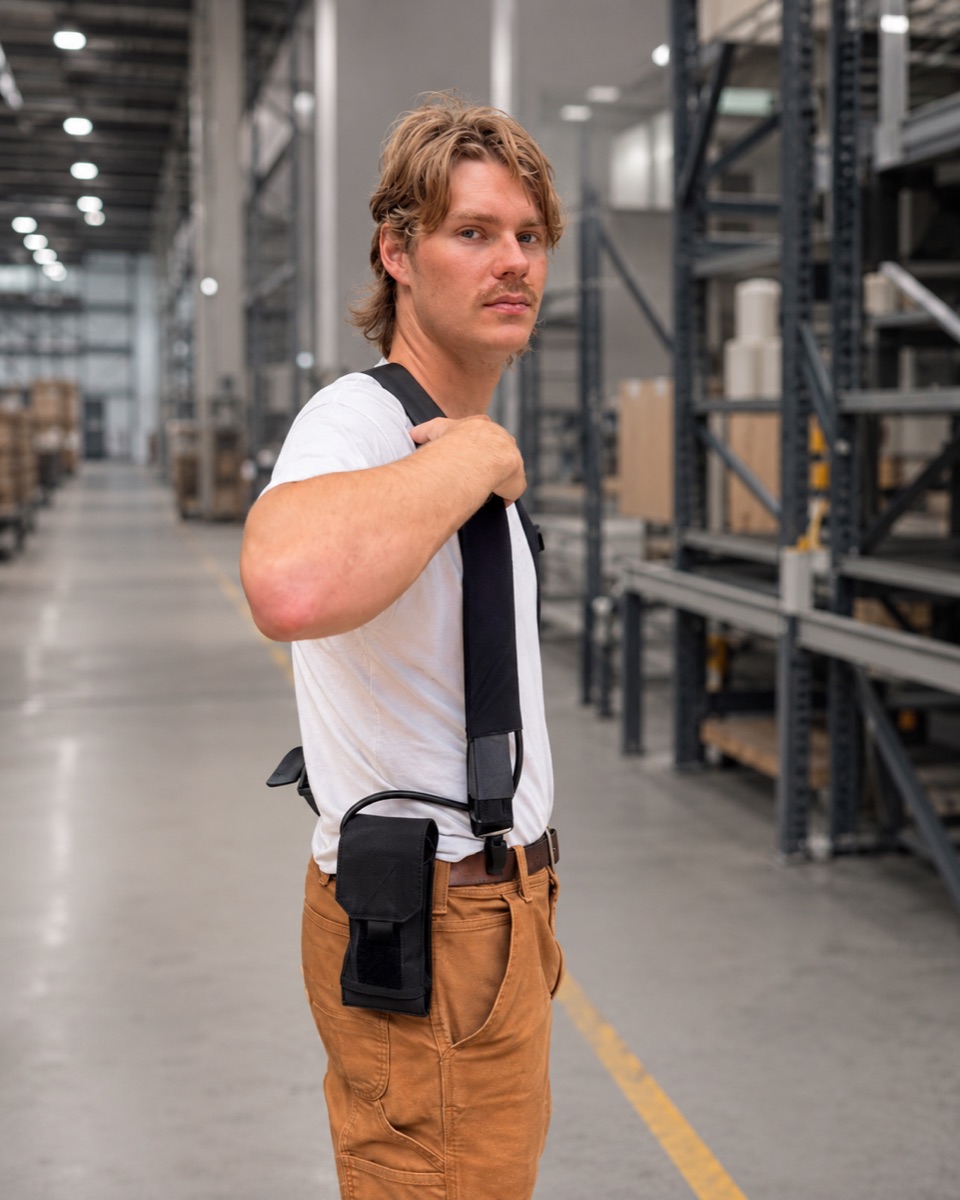
ClemaCore moves with the picker, the dock worker, the yard jockey, and the last-mile driver. Active cooling under hi-vis. No refill stations. No ice supply. No charging breaks mid-shift.

  • 8–12 hrRuntime per swap. Built for full warehouse shifts.
  • Hi-visWorn under standard hi-vis vests and uniforms.
  • MobileCools in the cab, on the dock, in the yard.
  • No waterNo ice supply, no refilling, no humidity issues.
  • <2 lbsLight enough for a full picking or driving shift.

The business case

Hold throughput. Reduce turnover. Protect peak season.

Even a small productivity gain across a peak-summer fulfillment window translates to material throughput. Lower heat-driven attrition reduces re-staffing cost.

Apply for early access
$50K–$200K+ Potential cost of a single heat illness incident Workers' comp + OSHA + downtime
30–50% Output drop on peak-heat days Field productivity research
36M+ Heat-exposed workers in the US 2.4B globally · 640B labor hours lost annually

FAQ

Logistics cooling: ops-leadership FAQ.

What is heat safety for logistics and warehouse workers?
Heat safety for logistics and warehouse workers includes hydration, rest cycles, ventilation, and personal cooling equipment. Most warehouses are not air-conditioned, and yard ops and last-mile drivers are exposed to direct sun. Active cooling like ClemaCore extends safe productive time across the shift.
How do you cool warehouse workers in summer?
Personal active cooling — worn under hi-vis vests — is the most effective intervention for warehouses without air conditioning. ClemaCore delivers >25°F felt cooling for 8–12 hours with one battery swap without ice or water support.
Can yard and dock workers wear active cooling gear?
Yes. ClemaCore is a sub-2-lb suspender system worn under hi-vis vests. It does not interfere with manual handling, dock-plate work, or forklift operation.
Does Clema work for last-mile drivers and delivery crews?
Yes. Last-mile drivers face cab temperatures that can exceed 120°F in summer. ClemaCore delivers active cooling in the cab and on the curb without requiring ice swaps between routes.
How does heat affect warehouse productivity and turnover?
Output can drop 30–50% on peak-heat days, and heat is a major driver of turnover in warehouse and yard operations. Active cooling improves throughput during peak summer shipping volume and reduces re-staffing cost.
What is the cost of a heat illness incident in logistics?
A single heat-related incident can cost $50K–$200K+ before litigation across workers' comp, OSHA exposure, and downtime. In high-volume distribution, even a single stop-work event can cascade across the network.
How hot do non-AC warehouses get in summer?
Older distribution centers without HVAC commonly run 10–25°F warmer than outside ambient temperature due to roof radiant gain and limited airflow. In summer, that puts indoor temperatures well into the 95–115°F range. Personal cooling worn under hi-vis is one of the few interventions that scales across a non-AC facility.
Does the OSHA heat standard apply to warehouses?
Yes. The proposed federal heat rule covers indoor work settings, and OSHA's National Emphasis Program for heat targets warehousing as a priority industry. See our OSHA heat standard guide for triggers and HIIPP requirements.
Can a cooling vest reduce warehouse turnover?
Heat is a top driver of early-tenure attrition in warehouse and yard ops. Reducing the discomfort that drives a worker to quit before they're trained recovers significant re-hire and re-training cost — often more than the cost of equipping the crew.
Can drivers wear a cooling vest in the cab?
Yes. ClemaCore is a sub-2-lb suspender that does not interfere with shoulder belts or HVAC airflow in the cab. Cab temperatures in summer last-mile vehicles can exceed 120°F; active cooling continues working between stops while the cab A/C cycles off.

Related guides

Keep reading.

Summer 2026 — 500-unit first batch

Get your network on the priority list.

Apply for early accessROI calculator