Industry · Oil & Gas

Cooling Vest for Oil & Gas Workers

FR coveralls and SCBA harnesses trap heat. ClemaCore is an active cooling vest that fits underneath and runs the full 8–12 hour shift — refineries, pipelines, drill sites, and turnarounds in 120°F+ conditions.

The problem

FR gear protects from flame — not from heat exposure.

12+ hr

Turnaround shifts in summer heat

Outages, shutdowns, and turnarounds run long shifts in the hottest months. Heat exposure compounds every hour.

FR & SCBA

PPE traps body heat

Flame-resistant coveralls and breathing apparatus are critical for safety — and they make heat exposure worse.

Humidity

Evaporative gear fails coastal sites

Misting and damp-fabric vests stop working in the saturated air around Gulf Coast refineries and process areas.

$50K–$200K+

Cost of one heat incident

Workers' comp, OSHA exposure, and schedule slip. One stop-work event can ripple through a turnaround timeline.

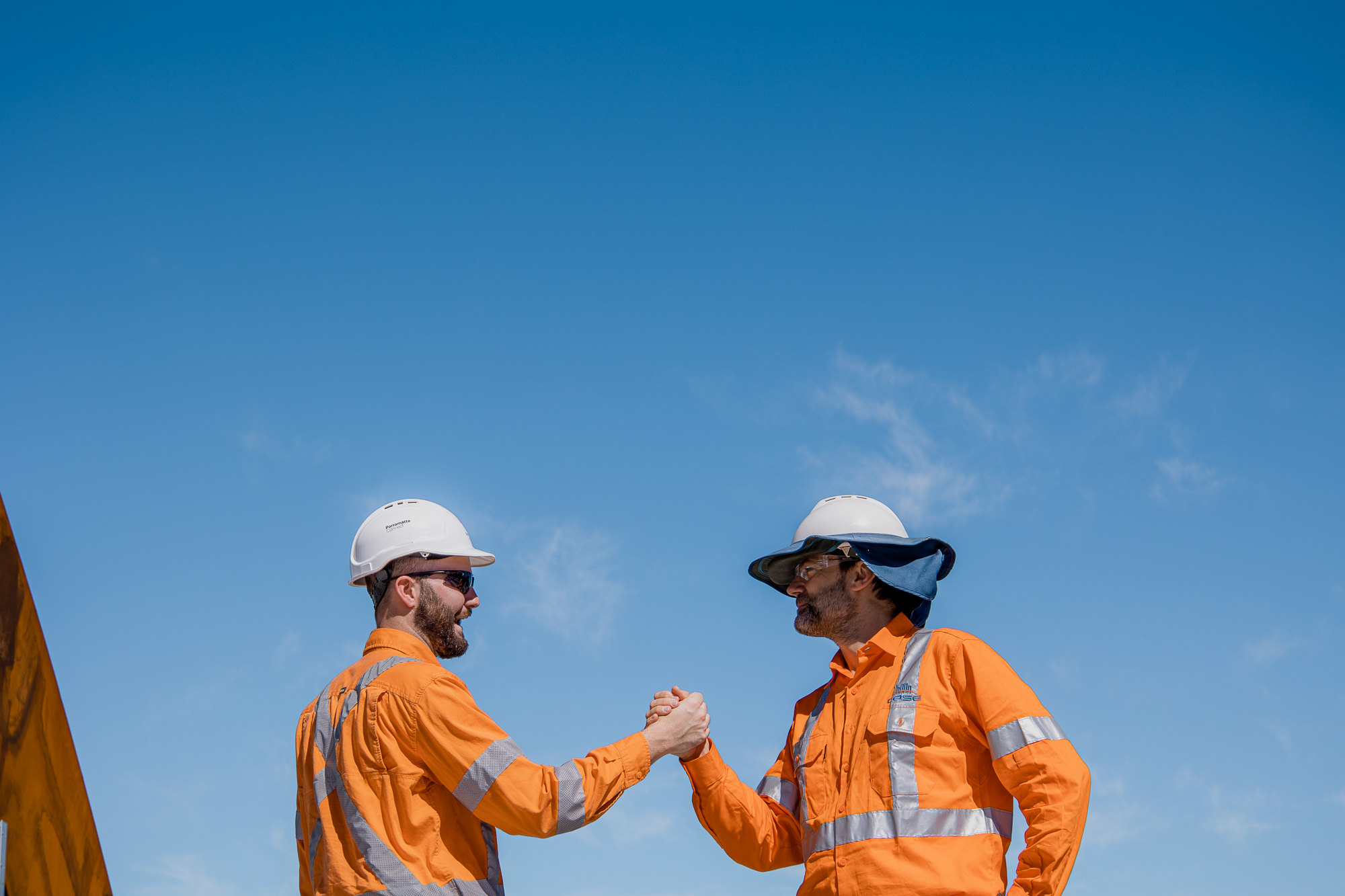
Two oil and gas workers in orange FR coveralls and hard hats

How Clema helps

Cooling that runs as long as the turnaround does.

Solid-state, battery-powered cooling that fits under FR coveralls, SCBA harnesses, and fall-arrest. No water, no ice, no humidity dependency. Hot-swap batteries cover even the longest outage shifts.

  • 8–12 hrRuntime per swap. Built for full turnaround shifts.
  • FR-fitWorn under FR coveralls without modifying outer PPE.
  • SCBA-fitCompatible with SCBA harnesses and fall-arrest.
  • HumiditySolid-state cooling unaffected by saturated air.
  • No waterNo ice support, no refill stations, no logistics.

The business case

Protect the schedule. Protect the crew.

Even a small per-shift productivity gain compounds across a 30–60 day turnaround. Active cooling reduces heat-related stop-work events and supports compliance posture.

Apply for early access
$50K–$200K+ Potential cost of a single heat illness incident Workers' comp + OSHA + downtime
30–50% Output drop on peak-heat days Field productivity research
36M+ Heat-exposed workers in the US 2.4B globally · 640B labor hours lost annually

FAQ

Oil & gas heat stress: what operators ask first.

What is the best heat stress prevention for oil and gas workers?
Active cooling worn under FR coveralls is the most effective approach for oil and gas. ClemaCore delivers a >25°F felt temperature drop for 8–12 hours per shift with one battery swap with one battery swap, fits under FR gear and SCBA harnesses, and works in high-humidity refinery and Gulf Coast environments where evaporative gear fails.
Can oil and gas workers wear cooling gear under FR coveralls and SCBA harnesses?
Yes. ClemaCore is a sub-2-lb suspender system designed to be worn under FR coveralls, SCBA harnesses, and fall-arrest gear without modifying existing PPE.
How does Clema work in high-humidity environments like Gulf Coast refineries?
Solid-state cooling is not affected by humidity the way evaporative or misting systems are. ClemaCore continues to deliver active cooling in saturated air, including coastal refineries and steam-heavy process areas.
What does heat stress cost an oil and gas operator per turnaround?
Heat-driven productivity loss can reach 30–50% on peak days, and a single heat-related incident can cost $50K–$200K+ before litigation. Across a 30–60 day turnaround, even small per-shift output gains compound into significant schedule and labor savings.
Is Clema certified for FR-compliant work environments?
ClemaCore is designed to be worn underneath certified FR garments rather than replacing them. The outer FR layer continues to provide flame and arc protection per the site's existing certification.
How long does Clema run on a single battery on a turnaround day?
8–12 hours with one battery swap. Hot-swap takes under a minute, so a 12+ hour turnaround shift can run uninterrupted on one or two swaps.
Does Clema replace ice vests for refinery workers?
Yes. Ice vests typically last 60–90 minutes before melting and require ice and water support on site. ClemaCore replaces them with a battery-powered system that runs the full shift with no ice, water, or refilling.
What PPE do refinery workers need for heat exposure?
Refinery PPE typically includes FR coveralls (NFPA 2112), hard hat, safety glasses, gloves, and SCBA in certain process areas. None of these are designed to dissipate heat, which compounds heat exposure on long turnaround shifts. An active cooling vest worn underneath addresses heat without compromising the flame and chemical protection.
How long is a typical refinery turnaround shift?
Turnaround shifts commonly run 10–12 hours, sometimes longer, for 30–60 consecutive days. Heat exposure compounds across these long shifts. Hot-swap battery cooling lets a single worker stay covered for the full shift without leaving the work area to swap ice or refill water.
Can a cooling vest help reduce SCBA heat exhaustion?
SCBA harnesses and full-face masks restrict body heat dissipation and add equipment weight. A slim cooling vest worn underneath the SCBA harness reduces core temperature buildup during entry, which is a leading cause of premature SCBA bottle exhaustion and self-rescue events.
Does the OSHA heat standard apply to oil and gas?
Yes. OSHA's proposed Heat Injury and Illness Prevention standard would apply to oil and gas employers, and OSHA's National Emphasis Program for heat targets the sector. State-level rules in CA, CO, NV, and others also apply to drilling, pipeline, and refinery work. See our OSHA heat standard guide.

Related guides

Keep reading.

Summer 2026 — 500-unit first batch

Spec Clema into your next turnaround.

Apply for early accessROI calculator