Comparison, updated April 2026
Clema vs PCM vest
2-3 hr vs 8-12 hr with one battery swap. No re-freezing logistics.
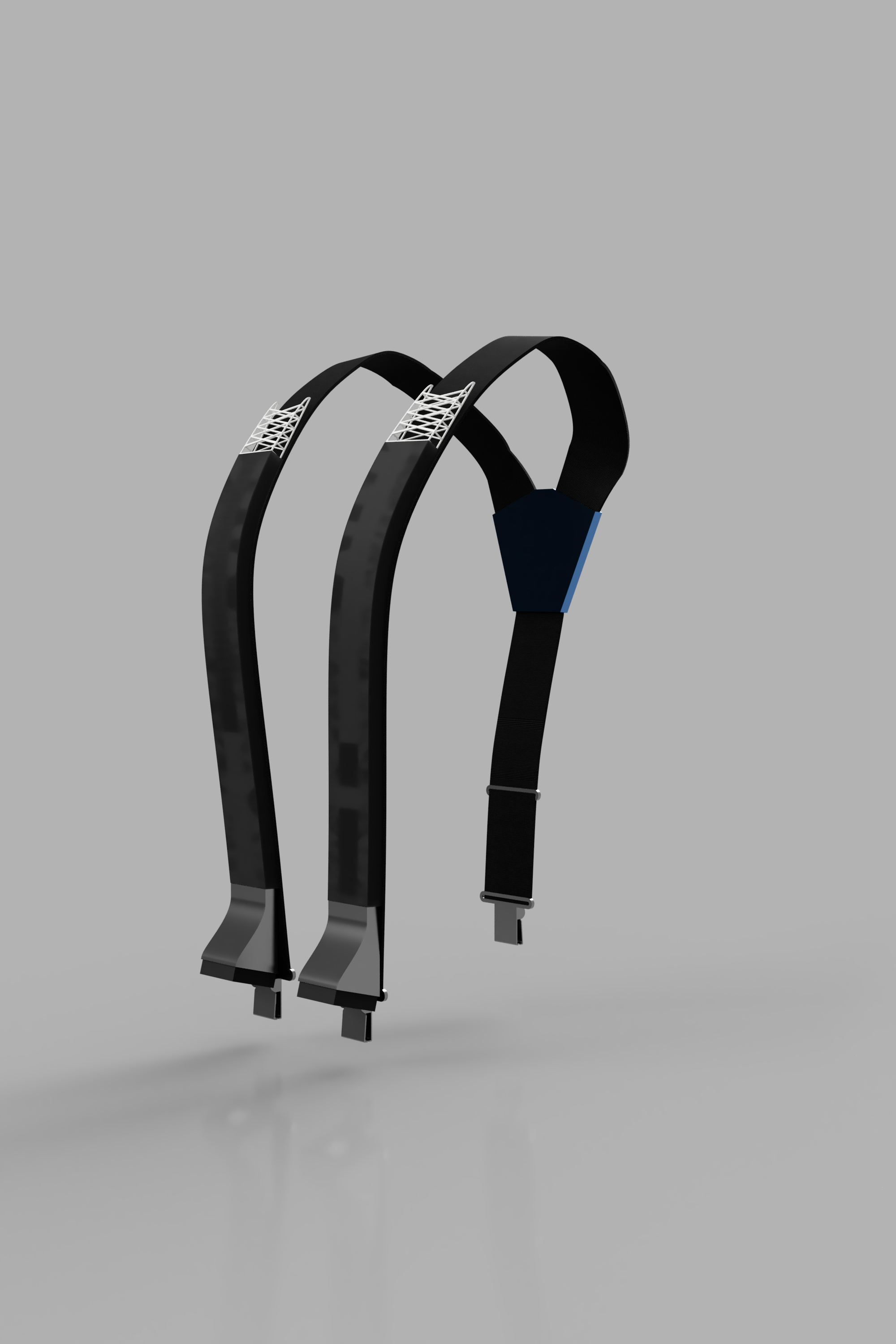
Comparison, updated April 2026
2-3 hr vs 8-12 hr with one battery swap. No re-freezing logistics.
At a glance
| Spec | PCM (phase change) vest | Clema (solid-state) |
|---|---|---|
| Runtime per cycle | 2–3 hr | 8–12 hr (one swap) |
| Refresh requirement | Re-freeze packs 1–4 hr between cycles | None, hot-swap battery in <1 min |
| Temperature stability | Constant 58–65°F until packs fully melt | Constant felt >25°F drop on body |
| Works in humidity | Yes | Yes |
| Worn weight | 4–7 lbs (with frozen packs) | <3 lbs |
| Fits under PPE | Bulkier; can compress packs and shorten runtime | Sub-3-lb, works with a fall-arrest harness |
| Vest lifespan | 5+ years (packs degrade slower than vest) | Designed for multi-year industrial use |
Pick a PCM vest if…
PCM vests deliver a steady 58–65°F for 2–3 hours. For shorter shifts with freezer access between uses, they're proven and reliable. They work great for medical-cooling applications (MS, post-surgery), event support, and dry-or-humid outdoor activities.
Pick Clema if…
You can't re-freeze packs in the middle of a refinery turnaround. You can't carry 4 frozen packs and a freezer to a roof. Clema is built for crews that move and shifts that don't end at hour 3.
Related guides
Which type still works at hour eight?
How long before ice is just weight?
What happens at 70 percent humidity?
Comparing a specific PCM brand? See Clema vs ThermApparel, and fit and sizing for the spec that decides whether any vest gets worn past week one.
First batch sold out · limited 2027 deployment