Industry, Construction

Cooling Vest for Construction Workers

Pours, lifts, and roofing don't pause for a heat wave. Clema is a sub-3-lb active cooling vest that works with a fall-arrest harness. 8–12 hours with one battery swap, >25°F felt drop, and no freezer or water logistics like ice and evaporative vests need.

Cooling vest for construction workers

Clema is a battery-powered cooling vest for construction crews. Under 3 lbs, and it works with a fall-arrest harness. A full shift on one battery swap. A replacement for ice, PCM, and evaporative vests that does not need a freezer.

Ready for your team? Request early access to get started. Schedule a demo →

See how Clema compares to ice vests →

The problem

Heat is the #1 productivity killer on a jobsite.

30–50%

Output loss on peak-heat days

Pours slow, lifts get rescheduled, and roofing crews lose hours to forced breaks. Daily progress falls behind plan.

60–90 min

Ice vests melt before lunch

Traditional ice and evaporative vests stop working long before the shift ends. Workers have to stop, refill, and restart.

$50K–$200K+

Cost of one heat illness incident

Workers' comp, OSHA exposure, project delay, and downtime, before any litigation. One incident can erase a season's margin.

OSHA

Compliance risk is rising

Federal heat standard in progress. CA, WA, MD, NV, and CO already enforce construction-specific heat rules.

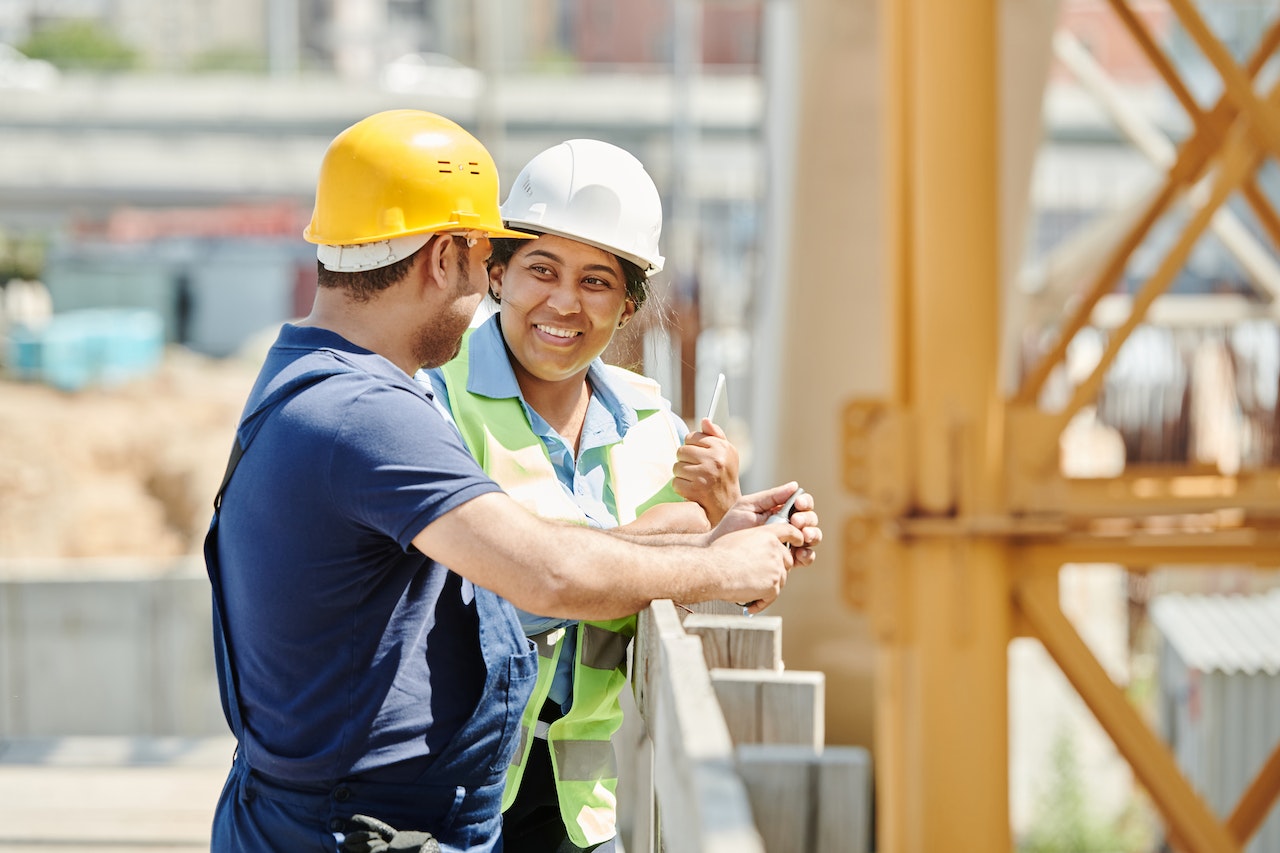
Two construction workers in hard hats and hi-vis on a jobsite

How Clema helps

Full-shift cooling that stays out of the way.

Clema is a sub-3-lb solid-state cooling harness that works with a fall-arrest system. No ice. No water. No new hazards. Just one battery swap to cover the full shift.

  • 8–12 hrRuntime with one battery swap. Hot-swap in under a minute.
  • >25°FFelt temperature drop on the body. Tested in 120°F.
  • <3 lbsWorn weight. No bulk, no new fall hazards.
  • Fall-arrestSub-3-lb suspender system that works with a fall-arrest harness.
  • No waterNo ice, no refilling, works in high humidity.

The business case

Less downtime. Less liability. Same crew.

A single heat-related claim can disrupt a season's schedule. Active cooling reduces stop-work events and protects the crew before that happens.

Apply for early access
$50K–$200K+ Potential cost of a single heat illness incident Workers' comp + OSHA + schedule slip
30–50% Output loss on peak-heat days Field productivity research
36M+ Heat-exposed workers in the US 2.4B globally, 640B labor hours lost annually

The options

What are the cooling solutions for construction crews?

Four categories, and they are not alternatives to each other. Water, shade and rest come first, and are a legal requirement in a growing list of states. Cooling gear is what you add when the work still has to happen in the heat.

SolutionWhat it doesWhere it runs out on a site
Water, shade, rest The baseline, and a written requirement in CA, WA, OR, MD, NV, CO and MN Only protects the crew while they are stopped
Schedule changes Early starts, crew rotation, moving hot work off the peak hours Costs hours, and a concrete pour will not wait for the forecast
Site cooling Misting fans, cooled break trailers, shade structures Fixed to one spot, and fans stop helping once the air is hotter than skin
Wearable cooling Cooling that travels with the worker into the actual task Runtime is the whole game. Most types quit inside two hours

On fans: OSHA's own guidance says air movement "is generally only effective as long as the air temperature is less than the worker's skin temperature (usually less than 95 degrees F dry bulb)". Above that, a fan is moving hot air across a hot person. Full breakdown of the wearable options is in the cooling vest comparison, and the legal baseline is in the state heat laws directory.

FAQ

Construction cooling: what crews ask first.

What is the best cooling wearable for construction workers?
A solid-state, battery-powered active cooling wearable like Clema is built for construction. It delivers a >25°F felt temperature drop for 8–12 hours per shift with one battery swap, weighs under 3 lbs, and works with a fall-arrest harness.
What should I look for in a construction cooling vest?
A cooling vest for construction needs to stay out of the way of a hard-hat crew's existing gear: slim enough to work with a fall-arrest harness, no bulky reservoir or tubing to snag on rebar or scaffolding, and enough runtime to cover a full shift without a mid-day reset.
Can construction workers wear cooling gear with a fall-arrest harness?
Yes. Clema is designed as a sub-3-lb suspender system that works with a fall-arrest harness without modifying the harness or introducing new pinch points.
How long do cooling vests last on a construction site?
Traditional ice vests melt in 60–90 minutes, leaving the rest of the shift uncovered. Clema runs 8–12 hours with one battery swap and supports under-a-minute hot-swaps, so a single worker is covered for the full shift without water, ice, or charging breaks.
Does OSHA require heat illness prevention for construction crews?
OSHA enforces heat-related hazards under the General Duty Clause and is finalizing a federal heat standard. Several states (CA, WA, MD, NV, CO) already have construction-specific heat rules. Active cooling helps crews stay productive while supporting compliance.
What is the cost of a heat illness incident in construction?
A single heat-related incident can cost $50K–$200K+ before litigation when workers' comp, OSHA exposure, schedule slip, and downtime are accounted for. On peak-heat days, crew output can drop 30–50%, compounding the cost.
Can Clema replace ice vests on a construction site?
Yes. Clema replaces ice and evaporative vests with a solid-state cooling system that runs the full shift, requires no ice or water, and continues to work in high humidity where evaporative gear fails. Southeast crews hit this first, which is why humidity decides the vest type.
How does cooling gear help with concrete pours in summer heat?
Concrete pours are time-critical and can't be paused for a forced rest cycle. Full-shift active cooling lets the finishing crew stay on the pour through 120°F+ ambient heat without 60–90 minute ice swaps, protecting both worker safety and concrete quality.
Can roofers wear a cooling vest under fall-arrest harnesses?
Yes. Clema is a sub-3-lb suspender form factor designed to work with fall-arrest harnesses without introducing new pinch points or restricting D-ring placement. Roofers exposed to direct sun and hot membrane surfaces benefit from full-shift cooling.
What is heat acclimatization and why does it matter for construction crews?
Almost half of heat-related workplace deaths occur on a worker's first day, and over 70% in the first week. Acclimatization gradually exposes new workers to heat over 7–14 days so their bodies adapt. OSHA's proposed rule requires written acclimatization protocols. Active cooling supports acclimatization by reducing core temperature buildup during the adaptation period.
Does the OSHA heat standard apply to construction?
Yes. OSHA's proposed Heat Injury and Illness Prevention standard would apply to all construction employers. The agency's National Emphasis Program for heat already targets construction for inspection, and several states (CA, WA, MD, NV, CO, OR, MN) enforce construction-specific heat rules. See our OSHA heat standard guide.

Related guides

Keep reading.

Frequently asked

Questions buyers ask before choosing a cooling vest.

Click any question to expand.

What are the cooling solutions for construction crews?
Four categories, and they stack rather than compete. Water, shade and rest are the baseline and are a written requirement in California, Washington, Oregon, Maryland, Nevada, Colorado and Minnesota, but they only protect a crew while it is stopped. Schedule changes move hot work off the peak hours and cost hours to do it. Site cooling like misting fans and cooled break trailers is fixed to one spot, and fans stop helping once the air is hotter than skin. Wearable cooling is the only category that travels with the worker into the task itself, and there the deciding spec is runtime.
What is the best cooling wearable for construction workers?
A solid-state, battery-powered active cooling wearable like Clema is built for construction. It delivers a >25°F felt temperature drop for 8–12 hours per shift with one battery swap, weighs under 3 lbs, and works with a fall-arrest harness.
What should I look for in a construction cooling vest?
A cooling vest for construction needs to stay out of the way of a hard-hat crew's existing gear: slim enough to work with a fall-arrest harness, no bulky reservoir or tubing to snag on rebar or scaffolding, and enough runtime to cover a full shift without a mid-day reset.
Can construction workers wear cooling gear with a fall-arrest harness?
Yes. Clema is designed as a sub-3-lb suspender system that works with a fall-arrest harness without modifying the harness or introducing new pinch points.
How long do cooling vests last on a construction site?
Traditional ice vests melt in 60–90 minutes, leaving the rest of the shift uncovered. Clema runs 8–12 hours with one battery swap and supports under-a-minute hot-swaps, so a single worker is covered for the full shift without water, ice, or charging breaks.
Does OSHA require heat illness prevention for construction crews?
OSHA enforces heat-related hazards under the General Duty Clause and is finalizing a federal heat standard. Several states (CA, WA, MD, NV, CO) already have construction-specific heat rules. Active cooling helps crews stay productive while supporting compliance.
What is the cost of a heat illness incident in construction?
A single heat-related incident can cost $50K–$200K+ before litigation when workers' comp, OSHA exposure, schedule slip, and downtime are accounted for. On peak-heat days, crew output can drop 30–50%, compounding the cost.
Can Clema replace ice vests on a construction site?
Yes. Clema replaces ice and evaporative vests with a solid-state cooling system that runs the full shift, requires no ice or water, and continues to work in high humidity where evaporative gear fails. Southeast crews hit this first, which is why humidity decides the vest type.
How does cooling gear help with concrete pours in summer heat?
Concrete pours are time-critical and can't be paused for a forced rest cycle. Full-shift active cooling lets the finishing crew stay on the pour through 120°F+ ambient heat without 60–90 minute ice swaps, protecting both worker safety and concrete quality.
Can roofers wear a cooling vest under fall-arrest harnesses?
Yes. Clema is a sub-3-lb suspender form factor designed to work with fall-arrest harnesses without introducing new pinch points or restricting D-ring placement. Roofers exposed to direct sun and hot membrane surfaces benefit from full-shift cooling.
What is heat acclimatization and why does it matter for construction crews?
Almost half of heat-related workplace deaths occur on a worker's first day, and over 70% in the first week. Acclimatization gradually exposes new workers to heat over 7–14 days so their bodies adapt. OSHA's proposed rule requires written acclimatization protocols. Active cooling supports acclimatization by reducing core temperature buildup during the adaptation period.
Does the OSHA heat standard apply to construction?
Yes. OSHA's proposed Heat Injury and Illness Prevention standard would apply to all construction employers. The agency's National Emphasis Program for heat already targets construction for inspection, and several states (CA, WA, MD, NV, CO, OR, MN) enforce construction-specific heat rules.

Summer 2026, 500-unit first batch

Get your construction crew on the priority list.

Apply for early accessROI calculator