How to Choose a Cooling Vest for Your Crew: A 2026 Buyer's Guide
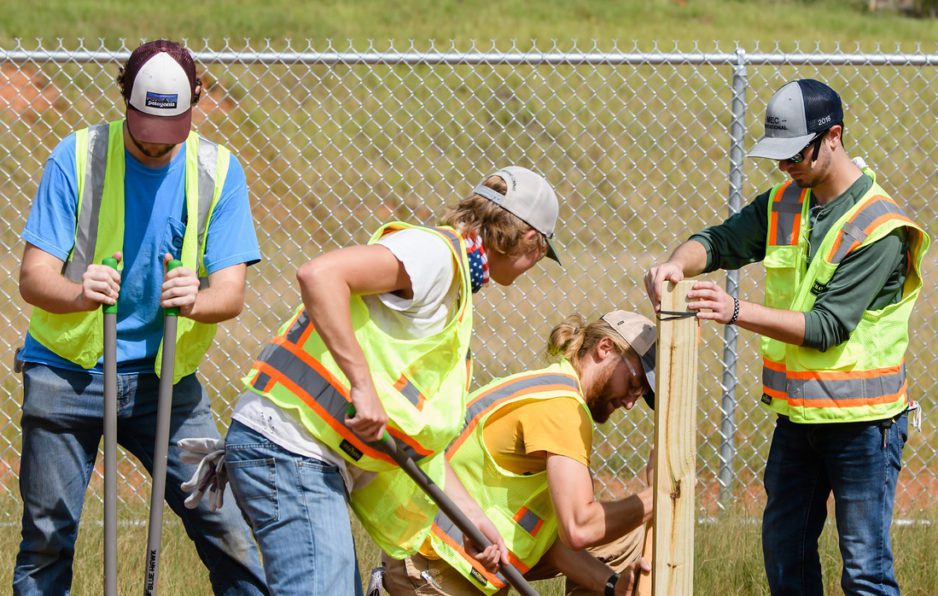
If you are responsible for a crew that works in heat, a cooling vest is one of the simplest interventions you can make against lost productivity and heat illness. But the category is confusing on purpose: a dozen brands, four different cooling technologies, and spec sheets written to look impressive rather than to help you decide. This guide is the short version of what actually matters when you choose a cooling vest for construction, manufacturing, oil & gas, utilities, or warehouse crews.
Start with the environment, not the product
The single most common buying mistake is picking a vest by brand or spec sheet before describing the conditions it has to survive.
Before you compare anything, write down four things about the work:
- How hot, and for how long? A two-hour landscaping job and a twelve-hour refinery turnaround are different problems.
- How humid? Humidity quietly decides whether half the products on the market will work at all.
- What else is the worker wearing? Hi-vis, FR coveralls, fall-arrest harnesses, and arc-rated layers all change what can physically fit.
- Is there a place to recharge or refreeze? A vest that needs a freezer is only as good as the nearest freezer.
Those four answers eliminate most of the catalog before you look at a single product.
The four kinds of cooling vests, in plain terms
Nearly every cooling vest on the market falls into one of four categories. We cover the differences in depth in our cooling vest comparison guide, but here is the one-line version:
- Ice vests hold frozen packs. Simple and cold, but they warm up fast and need a freezer to reset. Compare ice vests →
- Phase-change (PCM) vests use packs tuned to melt at a set temperature, holding a steadier temperature than ice for a couple of hours before they need recharging. Compare PCM vests →
- Evaporative vests are soaked in water and cool as that water evaporates. Inexpensive, but they fade as humidity rises. Compare evaporative vests →
- Active (battery-powered) vests generate cooling electrically and run as long as they have power, independent of humidity. This is the category Clema is built in.
The seven specs that actually decide it
Once you know your environment, judge every candidate against these seven, in roughly this order of importance:
- Runtime per reset. How long does it actually cool before it needs to be recharged, refrozen, or re-soaked? Compare against your shift length, not the marketing headline. (We break this down by technology in how long does a cooling vest last.)
- Humidity tolerance. Evaporative cooling loses most of its effect in humid air. If your crews work on the Gulf Coast or inside a humid plant, this spec can disqualify an entire product line.
- Reset effort. Refreezing packs needs a freezer and a spare set. Re-soaking needs clean water. A battery swap needs a charged battery. Whichever it is, it has to be realistic on your site.
- PPE compatibility. The vest has to fit under the gear your crew already wears without adding bulk, snag points, or new hazards. A vest that gets in the way of a harness won't get worn.
- Worn weight. Every pound is fatigue over a long shift. Lighter gear gets kept on; heavy gear ends up in a locker.
- Durability. Industrial sites are hard on equipment. Soft packs puncture; thin fabric tears. Ask how it holds up after a season.
- Total effort of ownership. The spec sheet isn't the whole picture. Factor in replacement packs, freezer space, downtime to reset, and how many vests one worker needs to get through a shift.
Match the vest to the job
There is no single "best cooling vest", only the best fit for a set of conditions. A useful rule of thumb:
- Short, dry, outdoor tasks: an evaporative or PCM vest can be enough, and it's simple to maintain.
- Hot and humid work: rule out evaporative cooling, it depends on the dry air you don't have.
- Full shifts in extreme heat: passive vests fade well before the shift ends; you need either a stack of recharges or an active, battery-powered vest that runs all day.
- Anything worn under FR, hi-vis, or fall-arrest gear: prioritize a low-profile vest that fits under existing PPE without modification.
For role-specific notes, see our pages for construction, oil & gas, utilities, manufacturing, and logistics crews.
The mistake most buyers make
Most cooling-vest purchases are judged on the catalog spec (the peak cooling number, measured in a lab) instead of the shift. A pack that feels icy for forty-five minutes and then becomes dead weight for the rest of the morning is not a four-hour vest, no matter what the box says. Buy for the worst hour of the worst day, and for whether the cooling is still there at hour eight. That single shift in mindset changes which products survive your shortlist.
Questions to ask any cooling-vest vendor
- How long does it cool continuously in conditions like ours, not in a lab?
- What does it take to reset between shifts, and how many units does one worker need per day?
- Does performance drop in humidity?
- Will it fit under our existing PPE without modification?
- What does it take to keep one worker running for a full season, including consumables and downtime?
The bottom line
Choosing a cooling vest is really a matching exercise: describe the environment honestly, then judge each option on runtime, humidity tolerance, reset effort, PPE fit, weight, and durability.
Do that and the right vest usually picks itself. If your crews work full shifts in serious heat, run the numbers with our cooling vest ROI calculator, and see where full-shift active cooling fits.
Buyer's FAQ
What is the most important factor when choosing a cooling vest for a crew?
What are the four types of cooling vests?
Do cooling vests work in humid conditions?
What is the best cooling vest for construction crews?
How long should a cooling vest last on a shift?
See the full cooling vest comparison → and How long does a cooling vest last? →