Buyer's guide

Battery Powered Cooling Vest for Industrial Crews

No ice, no freezer, no re-soaking. A battery powered cooling vest recharges or swaps in minutes and keeps a crew cool through a full shift — if you pick the right type for your climate and PPE.

Definition

What is a battery powered cooling vest?

A battery powered cooling vest is a wearable that runs on a rechargeable battery instead of ice or water to lower body temperature. There are three main types, and "battery powered" covers all of them:

Fan (Air-Cooled)

Battery-run fans blow air across the body to speed up sweat evaporation.

Runtime6–8 hr
HumidityFails

Circulatory

A battery-run pump circulates chilled water through tubing in the vest.

Runtime2–4 hr
HumidityWorks

Active Solid-State

Battery-run thermoelectric modules pull heat directly off the body. No ice, no water.

Runtime4–6 hr · 8–12 w/ swap
HumidityWorks

Want the full breakdown, including ice and PCM vests that aren't battery powered? See the full cooling vest comparison.

Battery vs. traditional

Battery powered cooling vests vs. ice and water cooling.

Ice packs and wet-cooling vests were the default for decades because they were cheap and simple. For a crew working full shifts in real heat, a battery powered vest removes the two things that make traditional cooling hard to manage at scale: melting and logistics.

  Ice pack vest Wet / evaporative vest Battery powered (ClemaCore)
Runtime per reset~60 min0.5–3 hr4–6 hr · 8–12 w/ swap
Reset methodFreezer, 8+ hrRe-soak in waterBattery swap, <1 min
Works in humidityYesNoYes
Needs ice or freezer on siteYesNo, but needs waterNo
Fits under PPEBulkySlim but dampYes
Covers a full 8–12 hr shiftNoNoYes

Why it matters

What battery power actually fixes.

  • LogisticsNo freezer, no ice truck, no re-soaking mid-shift.
  • ConsistencyCooling doesn't fade as ice melts — output stays steady until the battery does.
  • TurnaroundA charged or swapped battery takes minutes, not the hours ice needs to refreeze.
  • ClimateActive solid-state and circulatory batteries keep working in humidity where wet-cooling fails.
  • Fleet scaleCharging and swapping batteries scales to a full crew far more easily than a freezer full of ice packs.

Built for the field

Where battery powered cooling vests earn their keep.

Our battery powered vest

ClemaCore: active cooling, built for full shifts.

ClemaCore is a battery powered, solid-state active cooling vest. Thermoelectric modules pull heat directly off the body — no ice, no water, no fans, no humidity dependency.
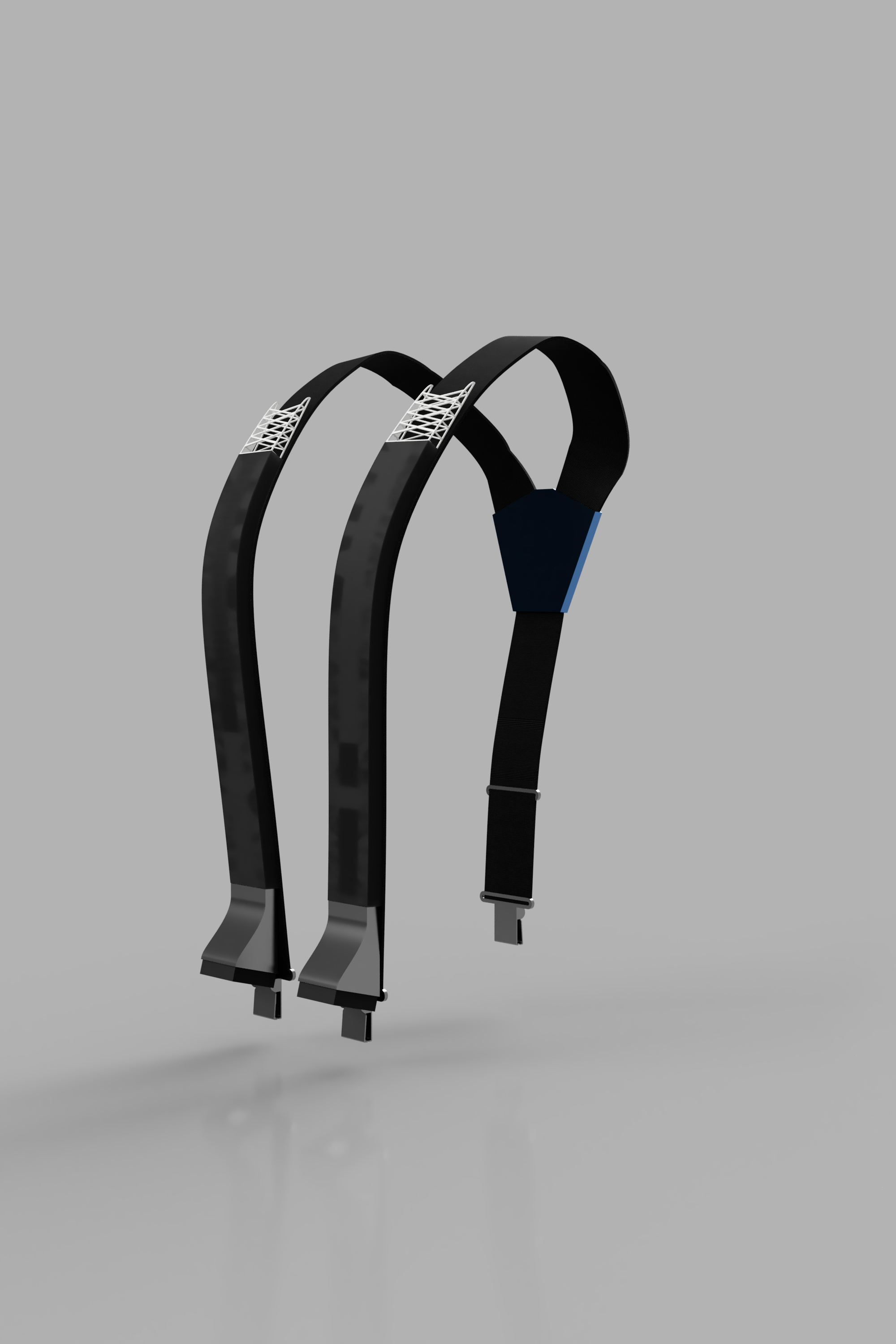
ClemaCore battery powered active cooling vest

Summer 2026 — 500-unit first batch

Specs at a glance

Runtime4–6 hr per battery
With swap8–12 hr
Swap time<1 minute
Felt drop>25°F
WeightUnder 2 lbs
FitWorn under PPE
Tested at120°F+
Price$500 pre-order

FAQ

Battery powered cooling vest FAQ.

What is a battery powered cooling vest?
A battery powered cooling vest is a wearable that uses a rechargeable battery to actively cool the body instead of relying on ice or water. There are three main types: fan (air-cooled) vests that blow air across the skin, circulatory vests that pump chilled water through tubing, and active solid-state vests that use thermoelectric modules to remove heat directly. All three run on rechargeable or swappable batteries rather than melting ice or evaporating water.
How long does a battery powered cooling vest last on a charge?
Runtime depends on the type. Fan (air-cooled) vests typically run 6–8 hours per charge but only cool in dry air below about 95°F. Circulatory vests run 2–4 hours per charge and still need ice for the reservoir. Active solid-state vests like ClemaCore run 4–6 hours per battery, or 8–12 hours with one hot-swap battery in under a minute, and work in any humidity or temperature.
Are battery powered cooling vests worth it for outdoor work?
For shifts longer than an hour or two, yes. Ice and PCM vests need a freezer on site and stop cooling within 60–120 minutes, while battery powered vests recharge or swap in minutes and don't depend on melting ice. For humid or radiant-heat jobs, an active solid-state battery vest is the only battery powered category that keeps cooling regardless of climate.
Do battery powered cooling vests work in humidity?
It depends on the type. Fan (air-cooled) battery vests speed up sweat evaporation, so they stop working in humid air or above roughly 95°F. Circulatory and active solid-state battery vests are not humidity-dependent and keep cooling in any climate, including Gulf Coast humidity and indoor radiant heat.
Can you wear a battery powered cooling vest under PPE?
Fan and circulatory battery vests are bulky outer layers built around fans, tubing, or a water reservoir, so they generally do not fit under hi-vis, FR coveralls, or a fall-arrest harness. Slim, sub-2-lb active solid-state vests like ClemaCore are built to be worn under PPE without modification.
How much does a battery powered cooling vest cost?
Fan cooling vests typically run $50–$230. Circulatory vests with a pump and reservoir run $150–$400. Active solid-state cooling vests cost more upfront, around $500, but cost less per cooling hour over a multi-year lifespan since there's no ice, water, or annual replacement to budget for.
What's the difference between a battery cooling vest and a fan cooling vest?
A fan cooling vest is one category of battery powered cooling vest — it uses a battery to run small fans that blow air across the body. Battery powered cooling vests also include circulatory vests (battery-run water pumps) and active solid-state vests (battery-run thermoelectric modules), both of which keep cooling in humidity and heat where fan vests stop working.

Related guides

Keep reading.

Summer 2026 — 500-unit first batch

Outfit your crew with battery powered cooling.

Apply for early accessROI calculator