Buyer's guide

Personal Cooling Device for Industrial Workers

Neck fans, cooling towels, misting fans, ice vests, and active cooling all get sold as personal cooling devices. Only a few of them hold up for a full shift under PPE.

Definition

What is a personal cooling device?

A personal cooling device is anything worn or carried by one person to lower body temperature or reduce the feeling of heat. The category is broad, and the products in it are not interchangeable for industrial work.

Consumer product

Neck Fan

A small battery fan worn around the neck. Moves air across the skin. Stops helping once air temperature or humidity climbs.

Consumer product

Cooling Towel

Fabric that stays damp and cools by evaporation. Needs re-wetting every 15 to 30 minutes and fails in humid air.

Consumer product

Misting Fan

Sprays a fine water mist into moving air. Effective outdoors in dry heat, not something a worker can wear under gear.

Passive vest

Ice / PCM Vest

Frozen or phase-change packs worn on the torso. Genuine cooling for 60 to 120 minutes, then the vest is just extra weight.

Active vest

Active Solid-State Vest

Battery-driven thermoelectric cooling worn on the torso. No ice or water. Runs a full shift and works in any humidity. ClemaCore.

For a deeper breakdown of vest-specific options, see the full cooling vest comparison.

Personal cooling devices, compared

Which personal cooling devices hold up for a full shift.

Most personal cooling devices are built for a walk, a run, or an afternoon outside, not an 8 to 12 hour shift under PPE in real heat. Here is how the main types compare against ClemaCore.

  Neck / misting fan Cooling towel Ice vest ClemaCore
Runtime per resetSeveral hours, dry air only15–30 min~60 min4–6 hr · 8–12 w/ swap
Works in humidityNoNoYesYes
Reset methodRechargeRe-wetFreezerBattery swap, <1 min
Fits under PPENoNoBulkyYes
Covers a full 8–12 hr shiftNoNoNoYes

Choosing for industrial use

Match the device to the shift.

  • Under PPEWorn under hi-vis or FR gear rules out fans, misting devices, and bulky vests.
  • HumidityGulf Coast or summer humidity rules out fans, misting devices, and cooling towels.
  • Shift lengthAnything past 2 hours rules out ice vests and cooling towels.
  • LogisticsNo freezer or water access on site rules out ice vests and cooling towels.
  • Full shift, any climateOnly active solid-state vests clear all four.

Built for the field

Where a personal cooling device earns its keep.

Our personal cooling device

ClemaCore: active cooling, built for full shifts.

ClemaCore is a personal cooling device built for industrial work. Solid-state thermoelectric modules pull heat directly off the body. No ice, no water, no fans, no humidity dependency.
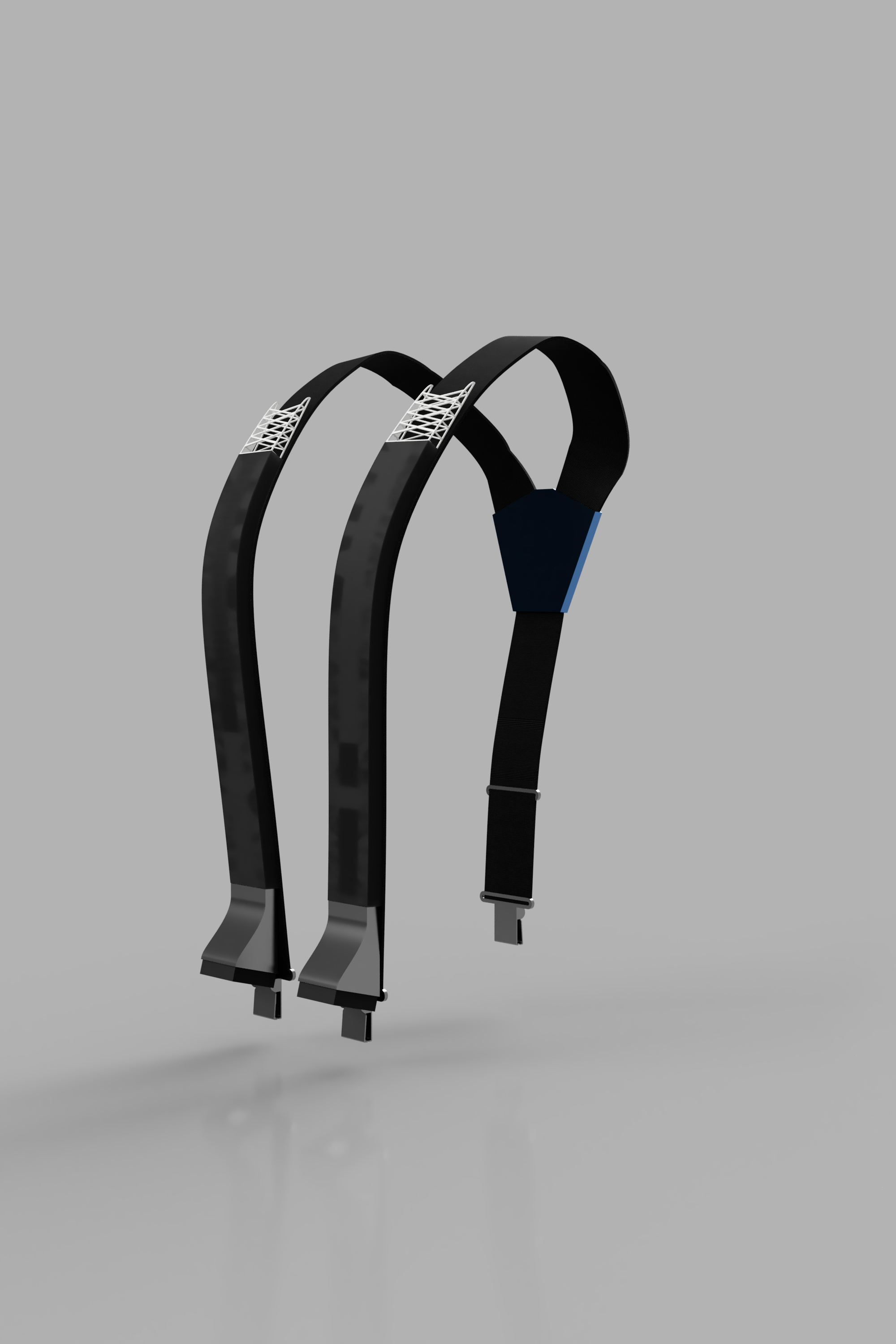
ClemaCore personal cooling device worn under industrial PPE

Summer 2026 — 500-unit first batch

Specs at a glance

Runtime4–6 hr per battery
With swap8–12 hr
Swap time<1 minute
Felt drop>25°F
WeightUnder 2 lbs
FitWorn under PPE
Tested at120°F+
Price$500 pre-order

FAQ

Personal cooling device FAQ.

What is a personal cooling device?
A personal cooling device is any product worn or carried by one person to lower body temperature or the sensation of heat. The category includes neck fans, cooling towels, misting fans, ice or PCM vests, and battery-powered active cooling vests. They differ widely in how long they cool, whether they work in humidity, and whether they can be worn under protective equipment.
What is the best personal cooling device for construction or industrial work?
For a full outdoor shift under PPE, most personal cooling devices fall short. Neck fans and misting fans are consumer products that don't fit under hi-vis or FR gear. Ice vests cool for about an hour before the packs melt. Active solid-state cooling vests, such as ClemaCore, are built to run a full shift, work in any humidity, and fit under existing PPE.
Do personal cooling devices work in humidity?
It depends on the type. Neck fans, misting fans, and evaporative cooling towels rely on air moving across wet or damp skin, so they lose effectiveness as humidity rises and stop helping much above roughly 95°F. Ice, PCM, and active solid-state cooling devices don't depend on evaporation, so they keep cooling in humid conditions.
Can a personal cooling device be worn under PPE?
Most cannot. Neck fans, misting fans, and bulkier cooling vests are built as outer layers and don't fit under hi-vis vests, FR coveralls, or a fall-arrest harness. Slim, sub-2-lb active cooling vests like ClemaCore are designed to be worn under PPE without modification.
How long does a personal cooling device last on a shift?
Runtime depends on the type. Cooling towels last 15 to 30 minutes before they need re-wetting. Neck fans and misting fans run several hours on a charge but only cool effectively in dry air. Ice vests cool for about 60 minutes. Active solid-state vests like ClemaCore run 4 to 6 hours per battery, or 8 to 12 hours with one hot-swap battery.
Are personal cooling devices worth it for outdoor workers?
For short breaks or mild heat, inexpensive options like cooling towels can help. For a full shift in real heat, the devices that make a measurable difference are the ones that keep cooling for hours without depending on dry air: ice vests for short stretches, and active solid-state vests for a full shift in any climate.
What is the difference between a personal cooling device and a cooling vest?
A cooling vest is one type of personal cooling device, worn on the torso. Personal cooling device is the broader category, and also includes neck fans, cooling towels, and misting fans. Vests generally cool more of the body's core surface area, which is why they tend to outperform neck- or handheld devices for industrial heat exposure.

Related guides

Keep reading.

Summer 2026 — 500-unit first batch

Give your crew a personal cooling device built for the job.

Apply for early accessROI calculator