
Buyer's guide
Humidity kills most cooling vests. Your body cools by evaporating sweat. So does most cooling gear. When the air is already full of water, both stall out.
−25° felt, instantlyClema pulls heat off by contact, at any humidity.
The short answer
In humid heat, buy a vest that cools by contact, not by evaporation. Contact cooling does not care what the air is holding.
A dock in August. No wind, no shade, and air that is already carrying all the water it can hold.
Why it matters
Read across any row. Only the moisture changes.
+18° felt, humidity aloneSame thermometer reading. Two OSHA risk bands apart.
| Dew point60°FComfortable | Dew point70°FSticky | Dew point75°FOppressive | Dew point80°FGulf Coast peak | |
|---|---|---|---|---|
| Air temp85°F | 85°FCaution43% RH |
90°FCaution61% RH |
94°FModerate72% RH |
99°FModerate85% RH |
| Air temp90°F | 90°FCaution37% RH |
96°FModerate52% RH |
101°FModerate62% RH |
108°FHigh73% RH |
| Air temp95°F | 95°FModerate31% RH |
102°FModerate44% RH |
107°FHigh53% RH |
115°FHigh, at the line62% RH |
Heat index values from the National Weather Service heat index equation. Relative humidity is shown per cell because it shifts with temperature while the dew point holds steady. Risk bands from OSHA, Using the Heat Index: A Guide for Employers, broken down on the heat index break chart. OSHA's top band begins above 115°F.
Six types
One question sorts all six. Does it need the air to take water? If yes, humidity is its ceiling. If no, humidity is irrelevant to it.

Only cools while water is leaving the fabric. In humid air it stops leaving, and you are wearing a wet layer that holds heat in.

A fan does not cool air. It speeds up sweat evaporation. Saturated air leaves nothing to speed up, and OSHA notes airflow stops helping once air is hotter than skin, around 95°F.

Pure contact cooling, so humidity does not touch it. Melts on its own clock instead: about an hour, then someone needs a freezer.

Contact cooling at a fixed melt temperature. Humidity-proof, but it is a fixed dose: 1.5 to 2 hours, then the packs have to be reset.

Contact cooling through tubing, so humid air is fine. Most rigs chill the loop with ice, which puts you back at the freezer every 2 to 4 hours.
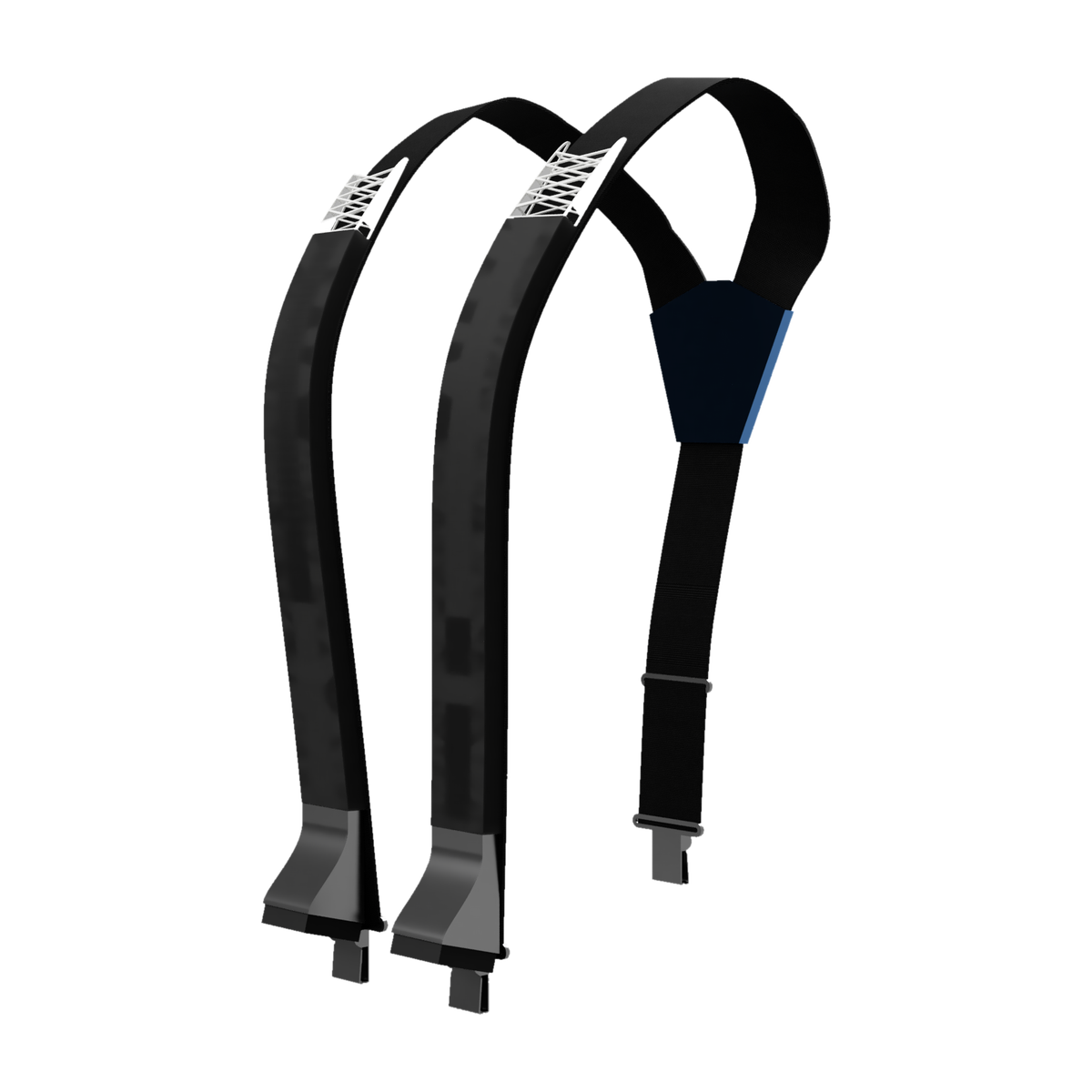
Solid-state plates move heat off the skin electrically. Nothing to evaporate, melt, or refill. 8 to 12 hours on one battery swap, at 40% humidity or 95%.
Runtime, price, and weight for all six are in the full cooling vest comparison. Choosing between wet gear and active cooling: Clema vs evaporative. Phase change in detail: Clema vs PCM.
Measure the right thing
Relative humidity swings all day as the temperature moves, so on its own it tells you little. Dew point barely moves. The higher it sits, the less water the air can still take, and the less any wet gear can do.
70°F dew point is where crews start noticingThe outdoor wet bulb globe temperature formula is 0.7 natural wet bulb, 0.2 globe, 0.1 dry bulb. The humidity-sensitive reading carries most of the weight, which is exactly why heat standards prefer WBGT to a plain thermometer.
NIOSH criteria document, 2016No sun, no wind, and air that holds whatever people and equipment put into it. Minnesota is the one state that regulates indoor heat this way: 86°F light, 80°F moderate, 77°F heavy, as WBGT exposure limits.
Minnesota 5205.0110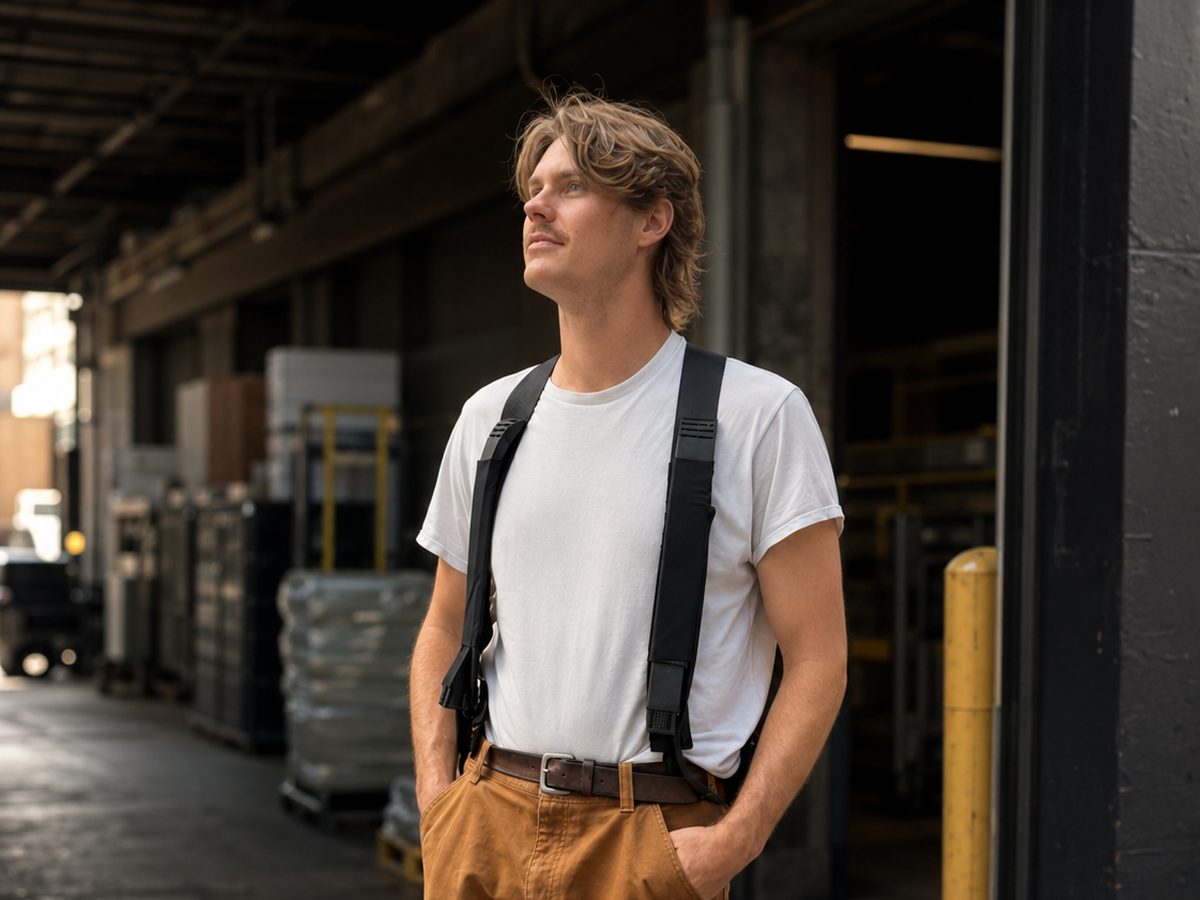
One honest caveat on cold packs. Any surface sitting below the dew point pulls water out of the air. That is why ice vests feel clammy on the Gulf Coast and why a base layer under one stays damp all shift. Active cooling holds a set temperature rather than dumping everything at freezing, so there is no melt and nothing wicking into the shirt. How Clema cools covers the mechanism.
FAQ
First batch sold out · limited 2027 deployment