Preventing Heat Illnesses: Effective Heat Illness Prevention Strategies for Workers
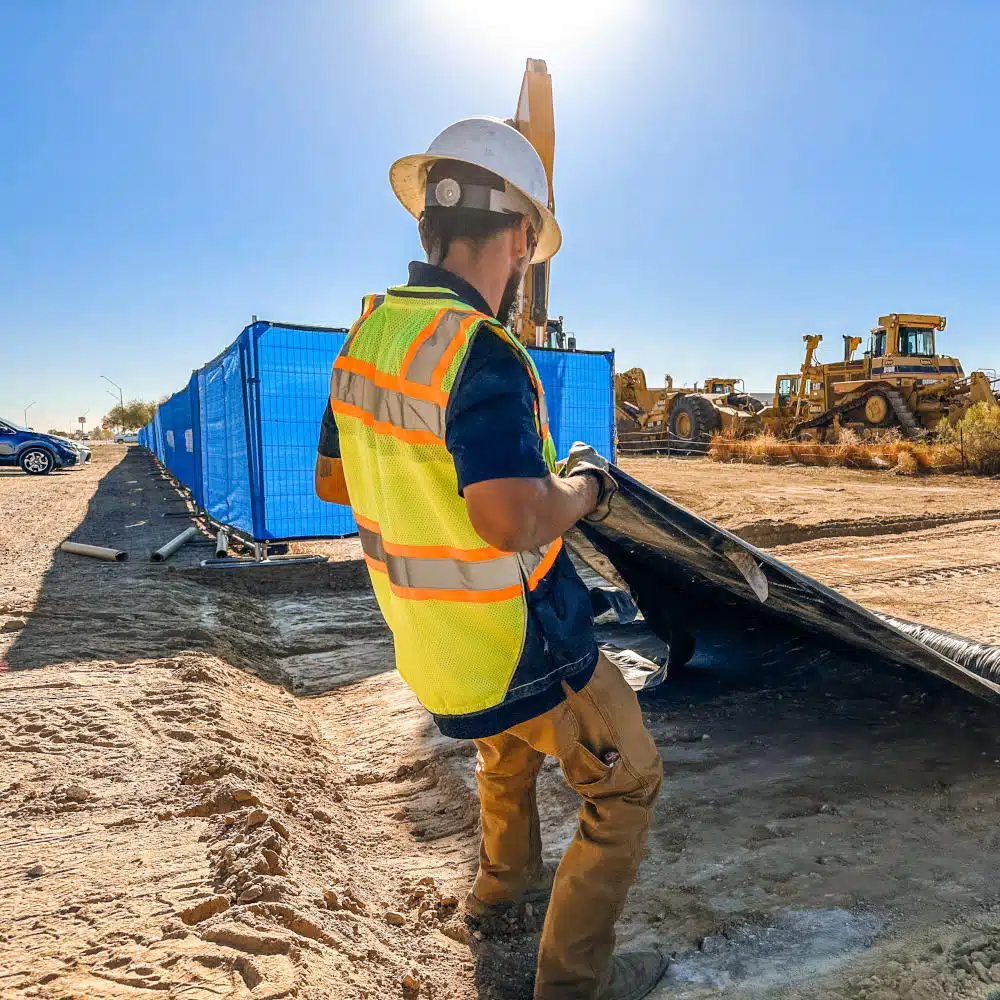
Mastering the art of preventing heat illnesses on the job
Heat illness prevention boosts productivity. When workers stay cool and hydrated, downtime disappears. Projects move faster. Energy stays high.
- Hydration is non-negotiable. Encourage frequent water breaks with easy access to cool water stations. Avoid sugary or caffeinated drinks that dehydrate.
- Wear lightweight, breathable gear. Choose PPE-compatible clothing designed for ventilation and moisture-wicking to reduce heat buildup and sweat retention.
- Use personal cooling devices. Cooling vests and neck wraps with 12+ hour weartime keep body temperature manageable without interrupting work.
- Schedule smart breaks. Rotate workers through shaded or air-conditioned rest areas. Short, frequent breaks are more effective than long, infrequent ones.
- Train for heat awareness. Teach workers to recognize early symptoms like dizziness, headache, and nausea for early detection.
- Monitor environmental conditions. Use heat index charts and real-time sensors to adjust work-rest cycles dynamically.
What temperature is a heat illness prevention program triggered?
The threshold for activating prevention programs generally begins at 85°F and above, particularly with high humidity. OSHA's proposed federal heat rule uses lower trigger points of 80°F and 90°F heat index, and NIOSH's heat stress guidance is one of the sources that informs how employers set these thresholds. Several states, including California, Washington, Maryland, Nevada, and Oregon, already enforce their own heat standards, so check your state's specific requirements rather than relying on a single national number.
- 85°F to 90°F: Begin hydration protocols and encourage shade breaks.
- 90°F to 95°F: Increase monitoring frequency. Implement cooling gear usage.
- Above 95°F: Enforce strict work-rest cycles. Use personal thermal management systems to maintain safety.
Many programs also track the Wet Bulb Globe Temperature (WBGT) rather than air temperature alone, since it accounts for humidity, radiant heat, and airflow, the same factors that determine whether an evaporative or active cooling vest will actually perform on site.
Integrating technology for continuous cooling and safety
Modern technology provides personal thermal management platforms offering:
- Continuous cooling for 12+ hours without requiring work stoppages for cooling breaks.
- Lightweight design comfortable for all-day wear without restricting movement.
- Compatibility with existing PPE, fitting seamlessly under helmets, vests, and harnesses.
- Real-time monitoring with alerts for heat-stress symptoms and environmental changes.
Practical steps to implement heat illness prevention strategies
- Assess the work environment. Identify heat-risk zones and peak temperature times.
- Equip workers with the right gear. Invest in lightweight, breathable PPE and personal cooling devices.
- Develop hydration and rest schedules. Tailor breaks to temperature and workload.
- Train all personnel. Conduct heat illness awareness sessions and emergency response drills.
- Monitor continuously. Use sensors and feedback to adjust protocols in real time.
- Review and improve. Collect data on incidents and productivity to refine strategies.
Building a culture of heat safety and productivity
Safety culture drives success. When heat illness prevention becomes a shared priority, everyone benefits. Encourage open communication about heat-stress symptoms and recognize adherence to safety protocols. Leadership must model best practices and invest in cutting-edge solutions. The result is increased project uptime and healthier workers. Heat illness prevention is more than a checklist, it's a commitment to innovation, education, and continuous improvement.
Heat illness prevention FAQ
What are the most effective heat illness prevention strategies for workers?
At what temperature should a heat illness prevention program start?
What are the early warning signs of heat illness?
How do personal cooling devices fit into a heat illness prevention program?
See the federal OSHA heat standard guide → and Compare cooling vest types →