Buyer's guide, updated August 2026
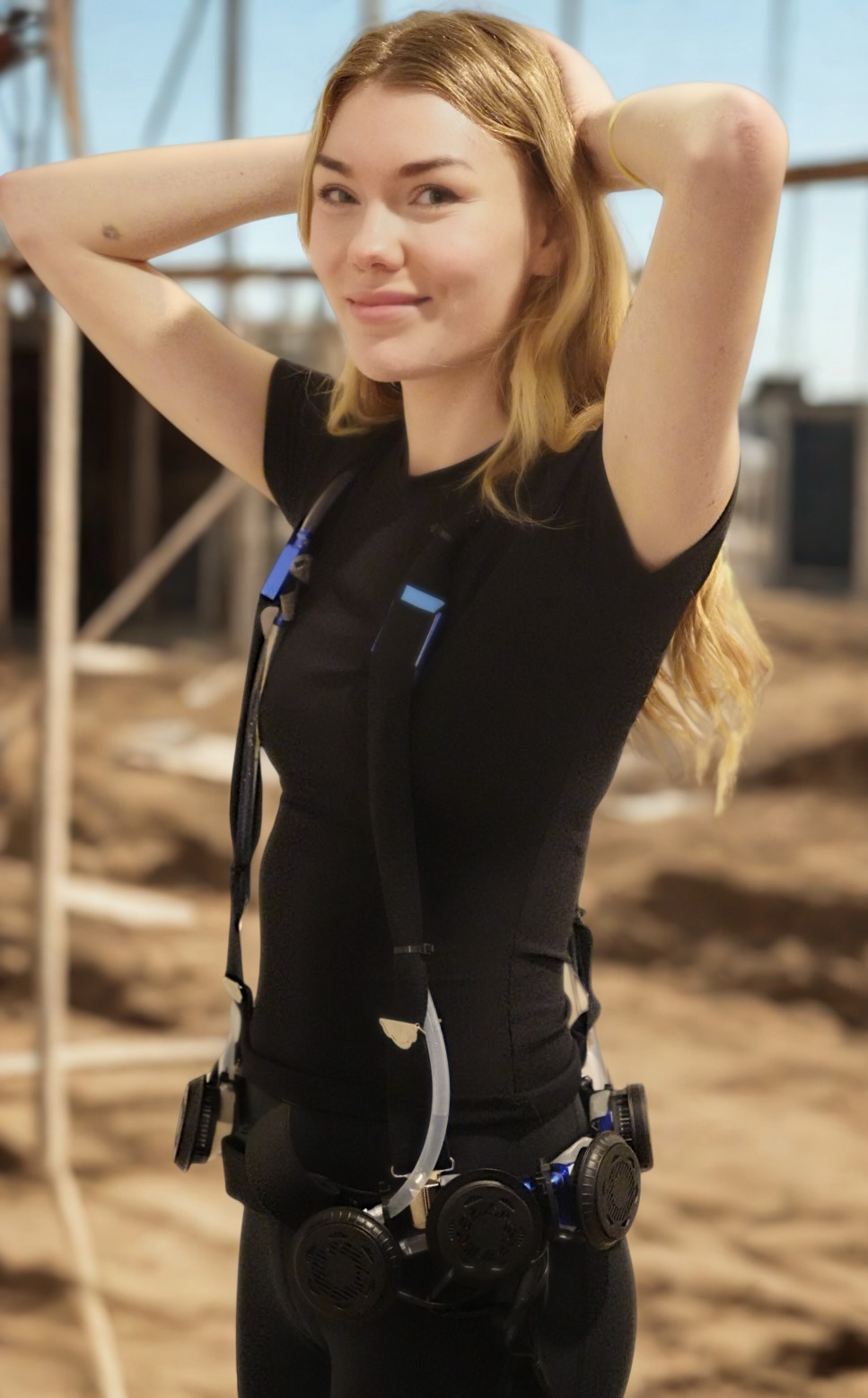
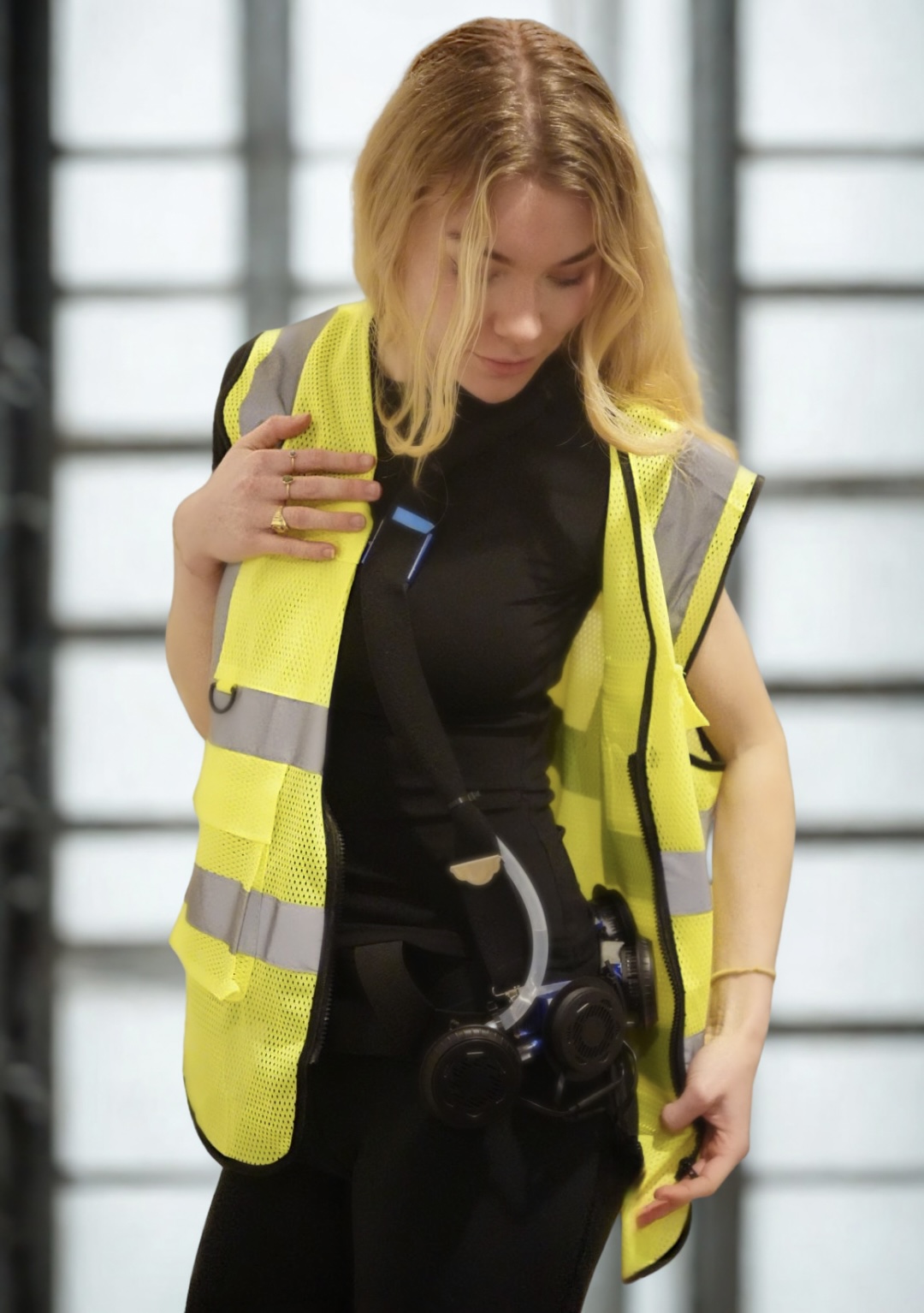
Because cooling only happens where the vest touches you. Most work vests are sold unisex, which in practice means cut for an average male torso, so the gap at the chest is not a comfort complaint. It is cooling you are not getting.
Where the problem actually is
There is no separate women's heat-tolerance story to tell. When researchers tested whether sex changes how a body sheds heat, sex explained almost none of the difference. Body size and how hard you are working explained it.
What is different is the equipment. Work gear on most sites was specified for a workforce that is overwhelmingly male, and cooling vests inherited that default along with the boots and the harnesses.
4.3%
Of construction trades are women
Construction and extraction occupations, 2024. The gear was sized for the other 95.7% (CPS via IWPR, 2025).
Contact
Is what decides the cooling
Heat leaves you where the panel meets skin. An air gap cools nothing. That is physics, not preference.
10 of 359
US heat deaths that were women
Occupational, 2000 to 2010. Heat follows the job (Gubernot et al., 2015).
Said plainly: heat kills more men at work because men hold nearly all of the jobs done in direct sun. That is a statement about who is standing in the heat, not about who tolerates it. The men's page covers that side.
The mechanism
Cross-section through the chest. A panel that follows the curve keeps every square inch in service. A rigid pack cut for a broader torso bridges the curve, touches at one point, and everything either side of that point has stopped cooling while the vest is still on and still running.
A flexible panel
Full width in contact, so every square inch is moving heat. This is what you are paying for.
A rigid pack
Touching at one point. Everything either side of it is an air gap, and an air gap cools nothing at all.
What goes wrong
Every one of these looks like a comfort issue and is actually lost surface area. Check all three with the vest on and your arms up, not standing still in a shop.
01
Rigid packs bridge across the chest instead of sitting on it. The vest is on. The cooling is not touching.
Costs the largest panel area02
Straps set for broader shoulders slide outward, and the whole panel drops with them as the shift goes on.
Costs contact everywhere at once03
A vest cut long rides up off the lower back the first time you reach overhead, and it stays there.
Costs the lower back permanentlyThe test that settles it: slide a flat hand between the vest and your chest. Mild resistance is right. If you can pinch a fold of empty vest away from your body, that section has stopped working. Full version in the fit and sizing guide.

How to compare
Two questions decide it. Does it sit flat on your torso, and is it still working at the end of the shift. Most types fail one or the other.
| Type | On a smaller torso | How long it lasts |
|---|---|---|
| Ice vest | Rigid packs bridge the chest, and add wet weight as they go | 1–2 hr |
| Phase-change (PCM) | Same bridging, plus hours in a freezer between uses | 2–3 hr |
| Evaporative | Stretches once soaked, so it fits differently wet than dry | Varies. Stops in humidity. |
| Fan vest | Needs an air gap by design, and carries bulk at the shoulders | Battery-limited |
| Solid-state (Clema) | Flat panel that adjusts across a wide range, nothing to load | 8–12 hr |
Deeper teardown: every vest type compared, how long each one really lasts, and what survives humidity.
Clema sizing
Straight answer, because the industry is usually vague about it: Clema does not make a women's version. It ships in two sizes and the same two serve everyone. What makes that work on a smaller frame is the panel, which is flat and adjusts across a wide range instead of being a rigid pack that has to bridge whatever is underneath it.
Size 1
Size 2
Most women take Standard. Over the line on either measure, take Large: a slightly larger panel that still sits flat cools better than a smaller one that pulls tight and gaps at the shoulders. Sizing a mixed crew? Send us the height and weight range and we will work out the split with you. Talk to the team.
FAQ
Summer 2026, 500-unit first batch