At a glance
What actually applies in Texas.
And no local rules
HB 2127 preempted local ordinances, ending Austin's and Dallas's water-break requirements. Struck down in 2023, reinstated on appeal July 2025. No Texas agency writes heat rules for private employers.
Still fully in force
Texas is a federal OSHA state. The general duty clause covers heat, and the Heat NEP sends inspectors out on forecast triggers, not just after someone collapses.
Worker heat deaths
Texas records more worker heat fatalities than any other state, concentrated in construction, oil and gas, agriculture, and delivery.
For weeks at a time
DFW, Austin, San Antonio, and Houston now run 100°F-plus streaks measured in weeks, with Gulf humidity pushing the heat index far higher. Which cooling vests hold up in that air is a separate call.
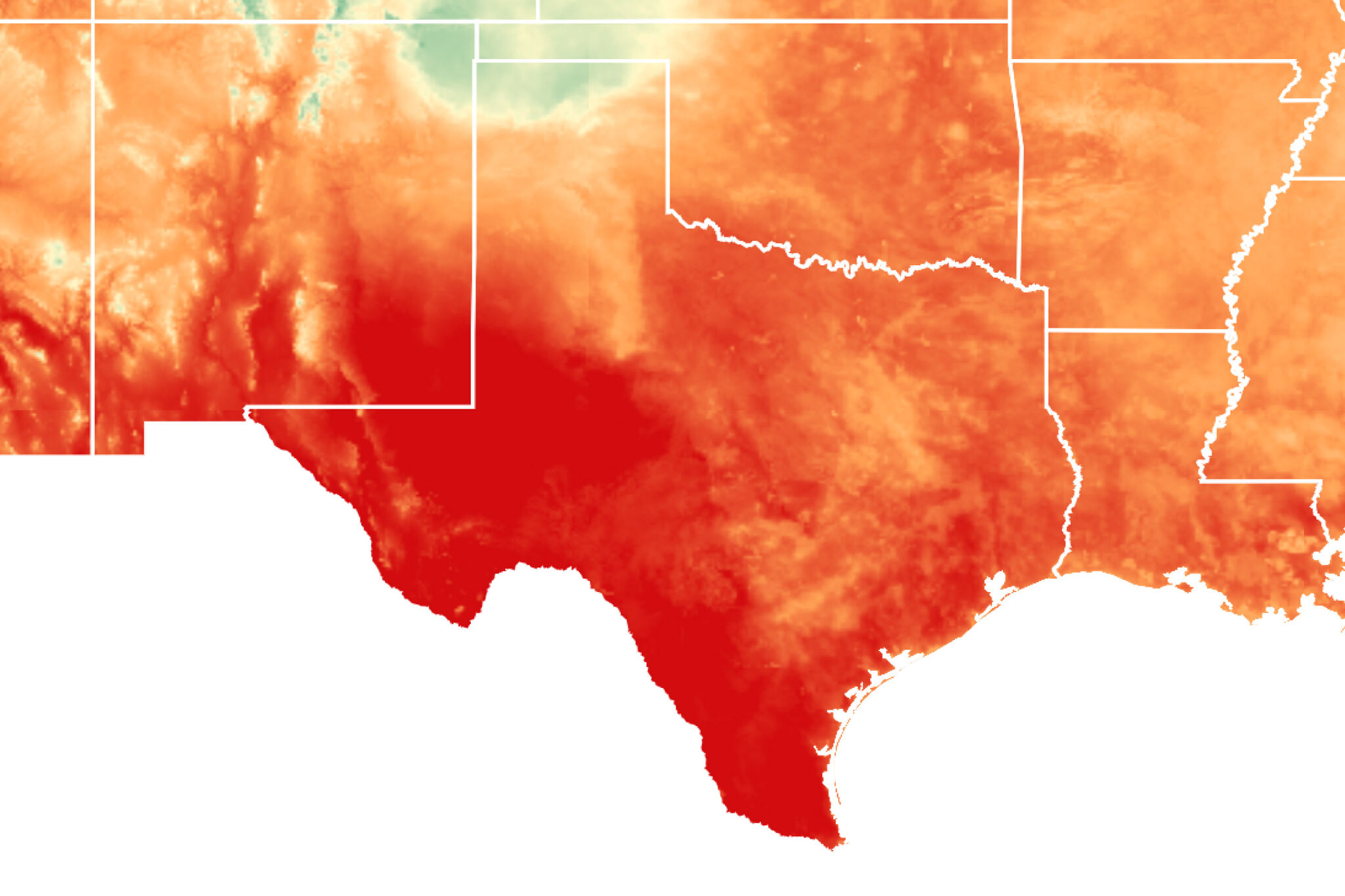
Sources: Federal OSHA heat enforcement; Texas HB 2127, the Texas Regulatory Consistency Act (2023), upheld on appeal July 2025.