Updated August 2026
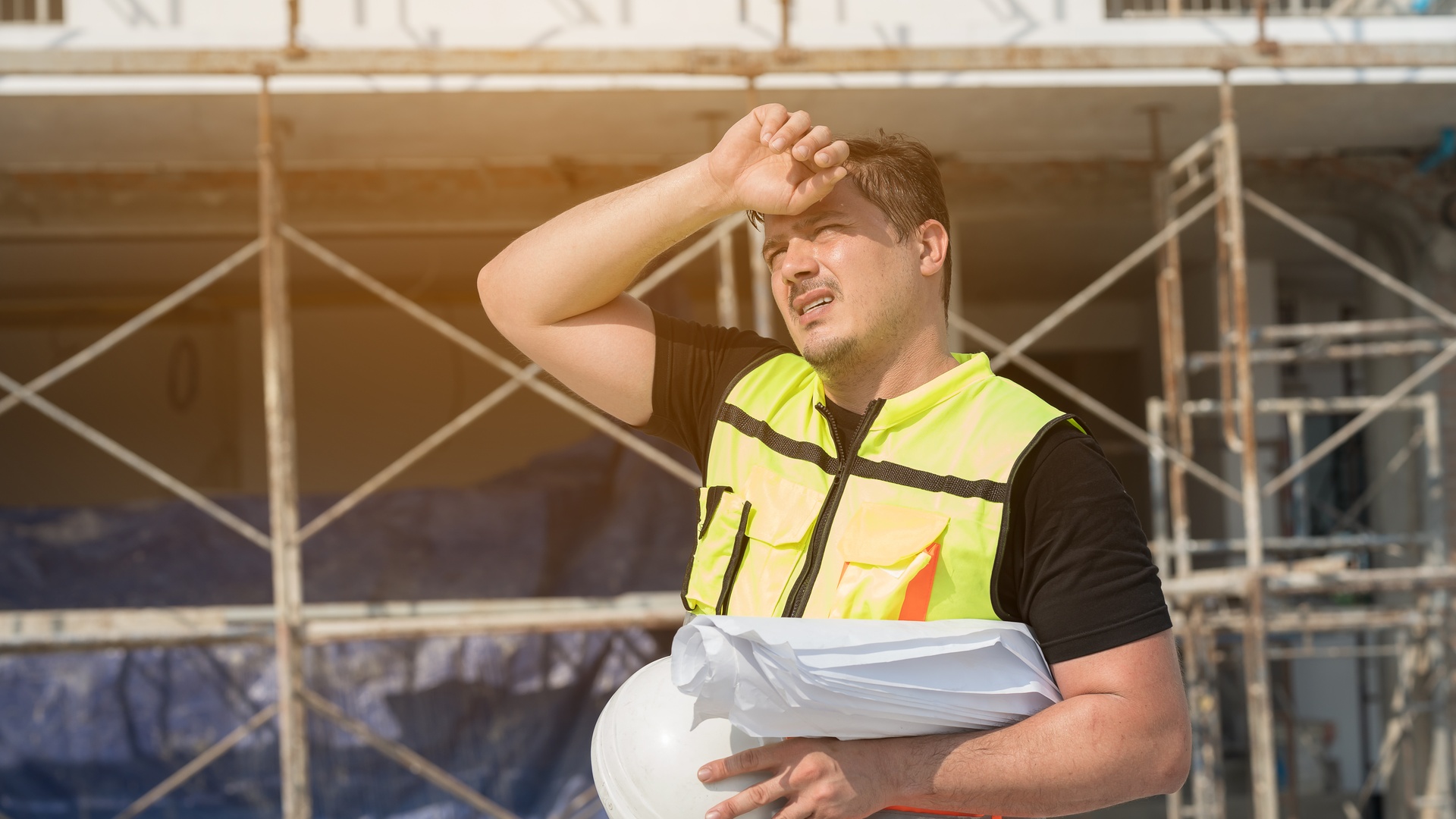
Because of where the work is. Men are about half the workforce and 97% of the people who die of heat on the job. This page covers why that happens, and how to pick a vest that is still working at the end of the shift.
Who it lands on
Not because men's bodies are worse at shedding heat. Because men hold nearly all of the jobs done outside, in the sun, in full PPE.
Researchers who tested this directly found that sex explains almost none of how a body handles heat. Body size and how hard you are working explain it. Men are not more fragile in the heat. They are just the ones standing in it.
Of workers who die of heat are men
349 of 359 US occupational heat deaths, 2000 to 2010. Men are about 53% of the workforce (Gubernot et al., Am J Ind Med, 2015).
Of construction jobs are held by men
Construction and extraction trades, 2024. These are the jobs done in direct sun, in PPE, at a hard pace (CPS via IWPR, 2025).
Of heat deaths hit in week one
Nearly three quarters of fatal heat illnesses happen in a worker's first week on the job, before the body has adjusted (Tustin et al., JOEM, 2018).
What a sealed suit adds
A limited-use vapor-barrier coverall adds the equivalent of 11°C-WBGT to the heat a worker is already carrying. Plain cloth coveralls add nothing (NIOSH 2016-106, Table 3-2).
Worth knowing: that first-week figure counts workers coming back after time off, not just new hires. Acclimatization fades after about a week away. NIOSH says start a new worker at roughly 20% of a normal shift on day one and add about 20% a day; someone returning starts nearer 50% and is back to full days by day four.
What to look for
Four things. Everything else on a spec sheet is noise. Run every vest below through them.
The honest test is the last one. The best vest is the one still on your back at 3pm, not the one with the coldest first ten minutes.
How to compare
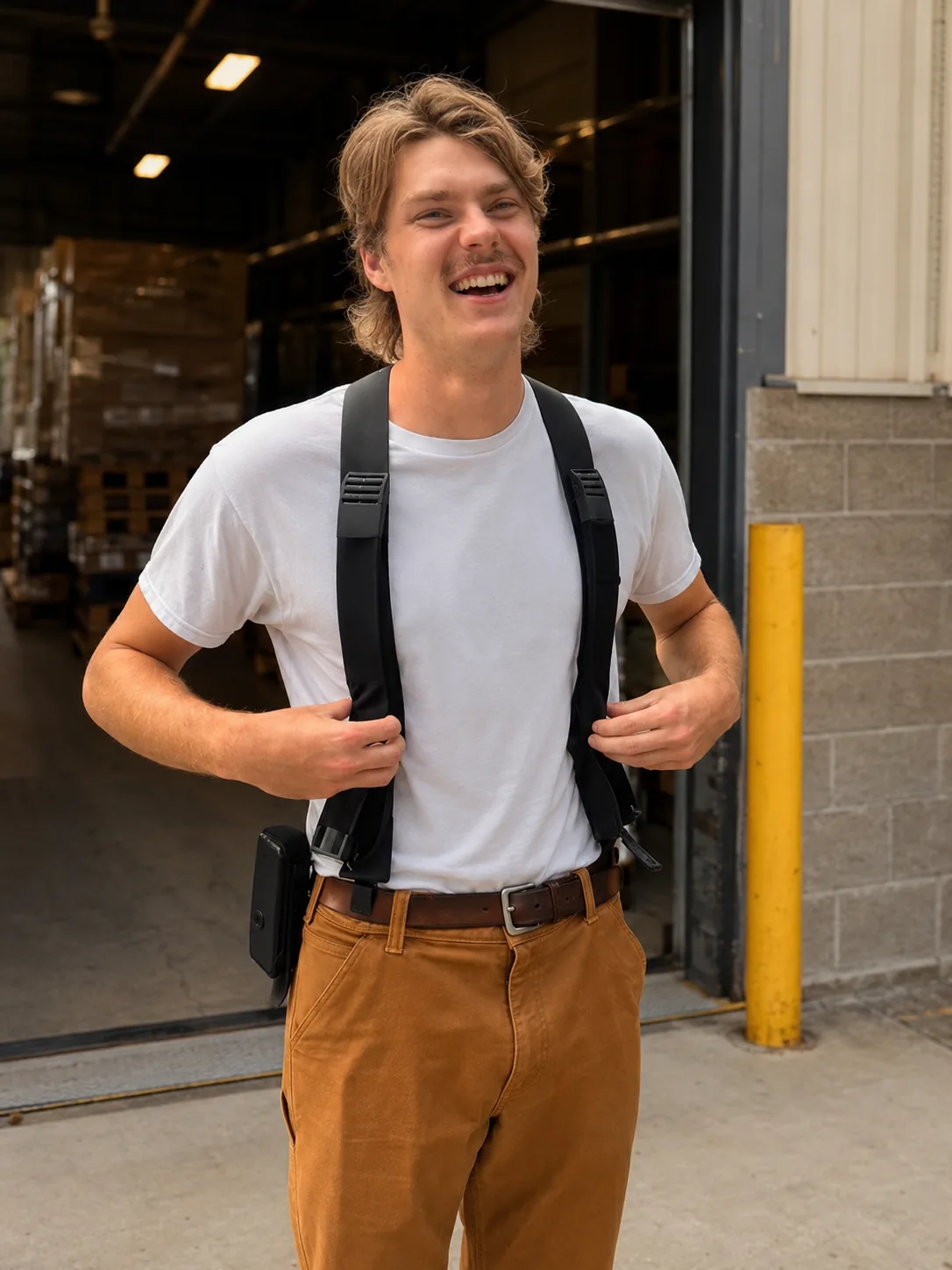
Four categories, and the honest way to choose between them is your shift length. Everything else follows from how long the thing keeps working.
| Type | How long it lasts | What it needs | Best for |
|---|---|---|---|
| Ice vest | 1–2 hr | A freezer, and somewhere to put the meltwater | Short bursts near a freezer. Heavy and wet once it goes. |
| Phase-change (PCM) | 2–3 hr | A freezer, and hours to re-set the packs | Rotations, not shifts. Steadier cold than ice while it lasts. |
| Evaporative | Varies | Dry air and a breeze. Water to re-soak. | Dry climates and light work. Stops working in humidity. |
| Solid-state (Clema) | 8–12 hr | One battery swap | A full shift. Makes its own cold, so humidity does not stop it. |
Deeper teardown: every vest type compared and how long each one really lasts.
On fit: get the torso length right before anything else, because a vest that rides up stops touching you, and a vest that is not touching you is not cooling you. The full check is in the fit and sizing guide.
FAQ
First batch sold out · limited 2027 deployment