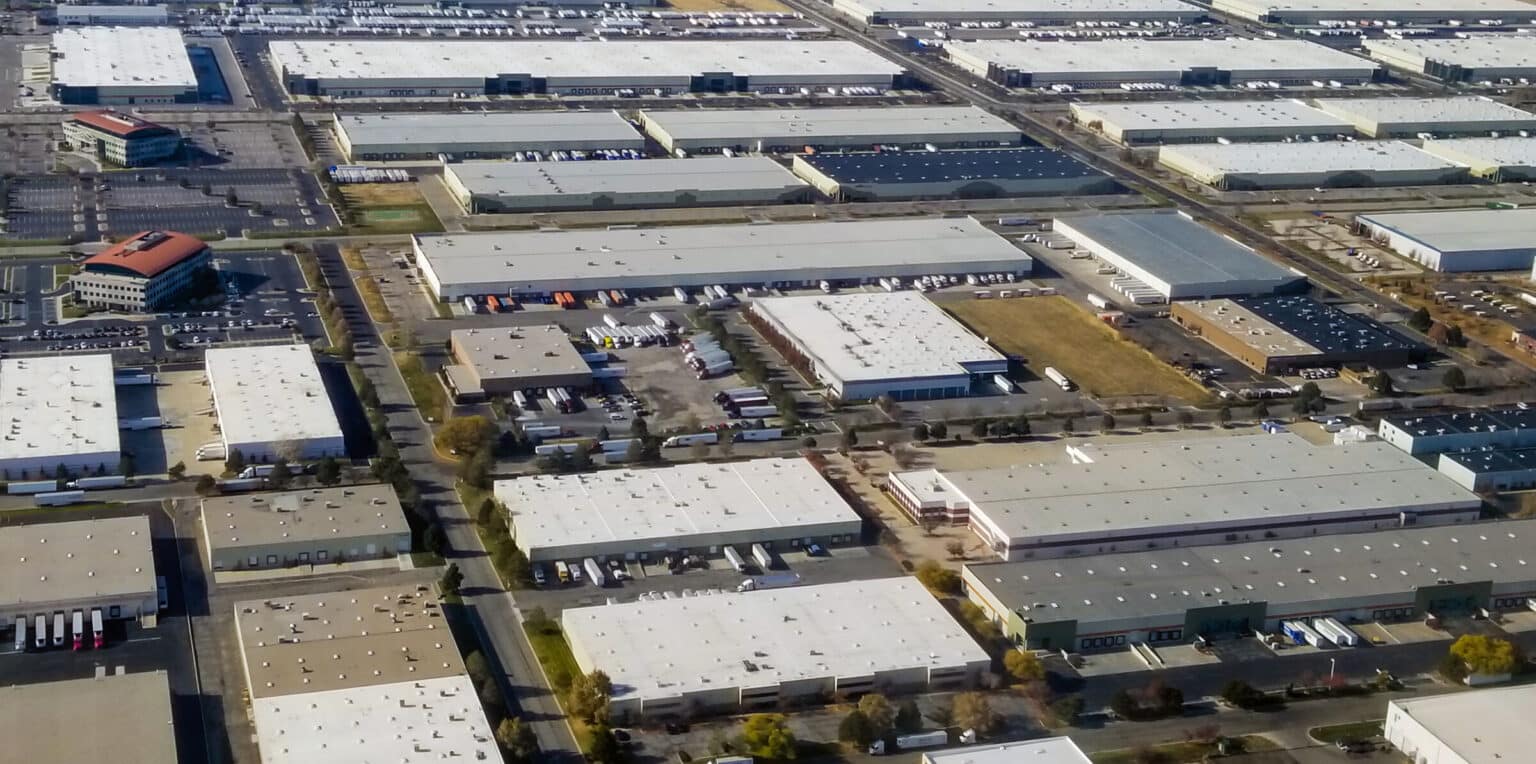
Industry, Warehouse
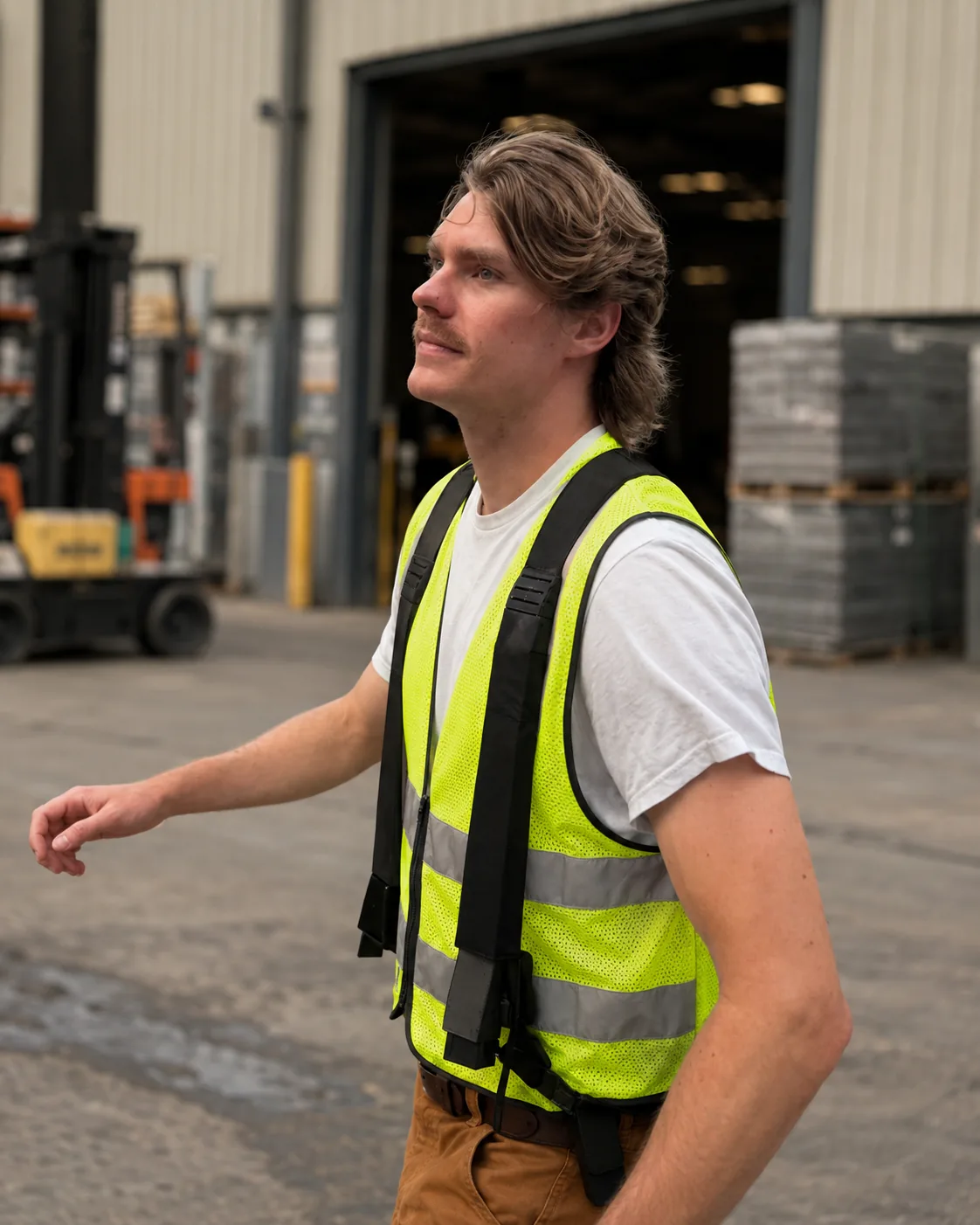
The forecast says 90°F. Crews routinely clock the pick face 10 to 25°F higher. Clema is a solid-state active cooling vest worn under hi-vis: under 3 lbs, 8–12 hours on one battery swap, no ice and no freezer on site.
Cooling vest for warehouse workers
Clema is an active cooling vest for warehouse pickers, packers, and forklift operators in buildings without air conditioning. Under 3 lbs, worn beneath a hi-vis vest, a full pick shift on one battery swap. No ice packs and no freezer capacity required.
Ready for your team? Request early access to get started. Schedule a demo →
The problem
The roof loads heat all day
What crews commonly read at the pick face versus outside air. Cal/OSHA calls a warehouse a “Type 1” workplace: one where indoor temperature is “significantly affected by the temperature and amount of sunlight outside.”
Indoor rules start low
Cal/OSHA section 3396 applies at 82°F indoor, enforceable since July 2024. That is a mild spring afternoon outside and a written-plan obligation inside.
Fans stop helping
OSHA puts the limit at the worker’s skin temperature, “usually less than 95 degrees F dry bulb.” Past that, a big fan is moving hot air onto people.
Injuries in trade and transport
Heat injuries costing a day or more away from work, 2021–22, the highest of any private sector (BLS, June 2024).
An ice vest lasts about as long as it takes to walk back from the freezer. Assuming the building has one, and that it is not already full of inventory.
How Clema helps
You cannot air-condition a high bay with the dock doors cycling all shift. Clema cools the worker instead of the building, so the cooling follows them from the pick face to the dock plate to the trailer.
Compliance
Most heat regulation was written for outdoor work. These are the ones that apply inside a building.
| Rule | Indoor trigger | What it means for a DC |
|---|---|---|
| Cal/OSHA 3396 | 82°F | Enforceable since 23 Jul 2024. Cool-down areas below 82°F, water, acclimatization, training, and a written Indoor Heat Illness Prevention Plan. Added controls at 87°F, or at 82°F in a high radiant heat area, defined as globe temperature at least 5°F above air temperature. |
| Minnesota | 77–86°F WBGT | Enforceable now, and the only state setting hard indoor WBGT limits rather than triggers. 86°F light work, 80°F moderate, 77°F heavy, as two-hour time-weighted averages for fully clothed acclimatized workers. |
| Federal proposed rule | 80°F HI | Not final, and not close. It covers indoor work explicitly: initial trigger at an 80°F heat index, high-heat trigger at 90°F. A supplemental proposal is scheduled Dec 2026 and final action Oct 2027. Separately, NAICS 4931 Warehousing and Storage is a named target of the Heat National Emphasis Program that took effect 10 Apr 2026. |
| Colorado | Pending | HB 26-1272 extends heat coverage to all industries indoor and outdoor as of 12 Aug 2026, but it is a framework law. No indoor thresholds are set yet for non-agricultural employers. |
| General Duty Clause | Everywhere | The fallback that already applies in every state. Heat is citable today without a specific standard, which is why "no rule in my state" has never been a defense. |
Full breakdown by state: heat safety laws by state →
The business case
Heat costs a distribution center twice: hours on the hot days, and the new hires who quit before the training investment pays back. Both land in the same quarter, and peak heat overlaps peak hiring.
Run the numbersFAQ
Frequently asked
Click any question to expand.
First batch sold out · limited 2027 deployment