Updated October 2026

Heat illness prevention plan template you can fill in today

It's 2 p.m. on the third day of a heat wave, and the laborer on your deck starts slurring his words. Who calls 911, what address do they give, and where's the ice? A heat illness prevention plan is the written, site-specific answer: how you'll provide water, rest and shade, track the heat, ease new and returning workers in, train your crew, and handle an emergency. Print or copy the free template below, fill in one per site, and keep it where the crew works.

10sections, one per plan element
1 qtof water per worker, every hour
80°Fwhere most of these rules kick in

Ten sections, from scope to sign-off.

  1. 01

    Scope

  2. 02

    Triggers

  3. 03

    Water

  4. 04

    Shade and rest

  5. 05

    Acclimatization

  6. 06

    Controls

  7. 07

    Observation

  8. 08

    Emergency

  9. 09

    Training

  10. 10

    Records

Who needs a written heat illness prevention plan?

Five states require one today: California, Washington, Oregon, Maryland and Nevada (above 10 employees). There's no federal heat standard yet; OSHA proposed one in August 2024 and its rulemaking page shows it in the post-hearing phase. Under more than one rule, write to the stricter one (California's is the most detailed). Every state is on our heat laws by state hub.

What each heat rule requires in a written plan
RuleWritten planStarts atAcclimatizationEmergency steps
Federal proposalNot finalYes: Over 10 employeesHeat index 80°FYes: 20/40/60/80% rampYes
California outdoor8 CCR 3395Yes80°FYes: 14-day observationYes
California indoor8 CCR 3396Yes82°FYes: 14-day observationYes
WashingtonWAC 296-62-095Yes80°FYes: 14-day observationYes
OregonOAR 437-002-0156YesHeat index 80°FYes: Written planYes
MarylandCOMAR 09.12.32YesHeat index 80°FYes: Up to 14 daysYes
NevadaR131-24APPartly: Over 10 employees, via JHASet by your JHAPartly: Guidance onlyYes
ColoradoHB 26-1272Not yet: Model plan due 202880°F, agriculture onlyNot defined yetNot defined yet
MinnesotaRule 5205.0110No: Training onlyIndoor WBGT limitsAssumes acclimatizedNot specified
Full rule-by-rule detail
RuleWritten planTriggersWhat the plan must coverAcclimatization
Federal proposal29 CFR 1910.148, not finalIf more than 10 employees, in a language each worker understandsHeat index 80°F initial, 90°F high (or NIOSH WBGT limits)Covered activities, heat metric, named heat safety coordinator, worker input, emergency plan, yearly reviewNew: 20/40/60/80% on days 1–4, or high-heat measures all week. Back after 14+ days: 50/60/80%
California outdoor8 CCR 3395Yes, in English and the majority language, at the worksite80°F shade; 95°F high-heat proceduresWater and shade, high-heat procedures, emergency response, acclimatizationClose observation for 14 days in a high heat area; everyone in a heat wave
California indoor8 CCR 3396Yes, alone or within the IIPP82°F; 87°F (82°F with restrictive clothing or radiant heat)Water, cool-down areas, measurement and controls, emergency response, acclimatizationSame 14-day observation
WashingtonWAC 296-62-095Yes, in the accident prevention program80°F (52°F in vapor-barrier clothing); 90°F and 100°F high heatWater, shade, emergency response, acclimatization, high heat, observation method14 days close observation, new or back after 7+ days
OregonOAR 437-002-0156Yes, available at the worksiteHeat index 80°F; above 90°F high heatTraining, illness response, water, shade and rest, rest-break schedule, acclimatizationWritten plan, your own or NIOSH's; again after 7+ days away
MarylandCOMAR 09.12.32Yes, available to workers and MOSHHeat index 80°F; 90°F high heat13 elements, including water, rest, shade, alternative cooling, emergency planUp to 14 days, new or back after 7+ days; at most 20% more a day, or NIOSH
NevadaR131-24APMore than 10 employees: written JHA, then heat provisions in the safety programSet by your job hazard analysisWater, rest for symptomatic workers, cooling, a designated monitor, heat-adding processes, training, emergenciesIn guidance only
ColoradoHB 26-1272Not yet outside agriculture; state model plan due July 1, 2028Agriculture has its own 80°F ruleNot yet definedNot yet defined
MinnesotaRule 5205.0110No written plan in the heat rule; training requiredIndoor WBGT limits, 2-hour average: 86°F light, 80°F moderate, 77°F heavy workNot specifiedLimits assume acclimatized workers

Sources: OSHA proposed regulatory text; Cal/OSHA §3395 and §3396; Washington WAC 296-62-09530, -09545 and -09547; Oregon OSHA Division 2, Subdivision J; Maryland COMAR 09.12.32.04 and .05; Nevada OSHA guidance on R131-24AP (May 2026); Colorado HB26-1272; Minnesota Rules 5205.0110. Summaries, not legal advice.

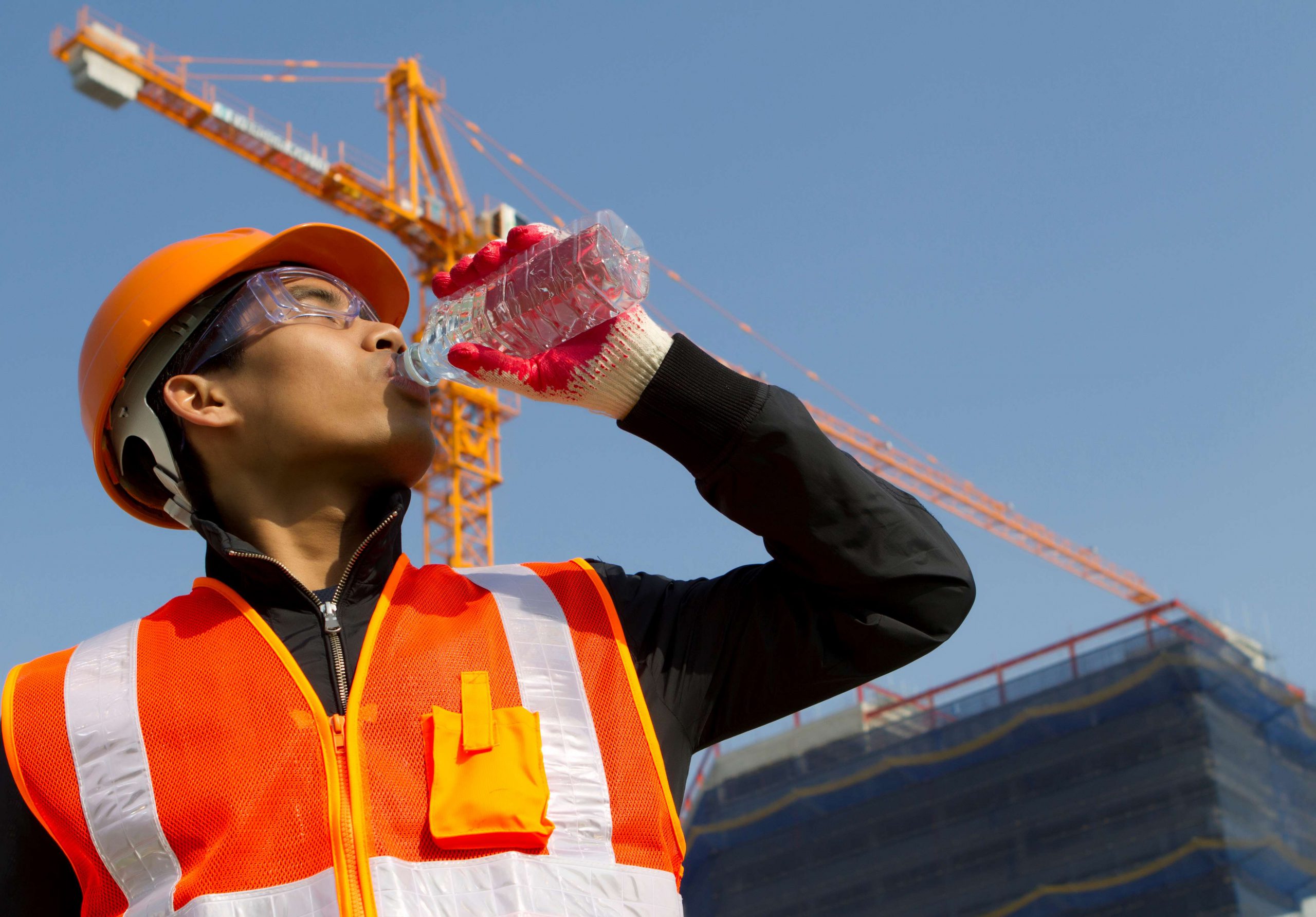
A construction worker in an orange hard hat, safety glasses and hi-vis vest drinking from a water bottle under a tower crane

The simplest section, and the easiest to let slide by mid-afternoon.

At least 1 quart per worker per hour, suitably cool

The heat illness prevention plan, section by section.

Each section has fill-in lines and a short note on which rule asks for it. Print it as is, or copy it into your own document and cut the notes that don't apply to you.

Heat Illness Prevention Plan

One copy per site, kept where every worker can read it, in their languages.

Company

Work site

Heat safety coordinator(s)

Phone

Date adopted

Languages provided

01 Scope: covered work and people

Work activities, tasks and job classifications covered

Indoor areas expected to reach the initial trigger

Tasks in vapor-impermeable clothing or near radiant heat

Federal proposal: list covered activities; evaluate vapor-impermeable clothing. Nevada: list classifications exposed over 30 minutes of any 60.

02 Heat triggers and monitoring

  • Metric: heat index
  • Metric: WBGT
  • Source: National Weather Service forecast
  • Source: on-site meter at the work area
LevelTrigger at this siteWhat changes
InitialWater, shade or cool-down area, acclimatization, training in force
High heatScheduled rest breaks, observation, pre-shift heat reminder
Extreme / stop-work

Checked by

How often

Triggers: heat index 80/90°F (federal proposal, Oregon, Maryland); 80/95°F outdoor, 82/87°F indoor (California); 80/90/100°F (Washington). Bands: heat index break chart.

03 Drinking water

Water source and location

Refilled by

How workers are reminded to drink

Quantity: at least 1 quart per worker per hour, suitably cool (federal proposal, California, Washington). Oregon: enough for 32 ounces per hour.

04 Shade, cool-down areas and rest breaks

Shade or cool-down location

Holds how many workers

Rest break schedule at high heat

  • Any worker may take a cool-down rest on request, at any temperature
  • Breaks at high heat are paid

Federal proposal: 15-minute paid break every 2 hours at high heat. Washington: 10 minutes every 2 hours at 90°F, 15 minutes every hour at 100°F. Maryland: 10 minutes per 2 hours above heat index 90°F, 15 minutes per hour above 100°F.

05 Acclimatization

  • New workers: start at no more than 20% of time in the heat, add no more than 20% a day
  • Returning workers: 50%, 60%, 80%, 100% over 4 days
  • Close observation for the first 14 days
  • Whole crew observed during a heat wave

"Returning" means away more than

Tracked by

Schedules: NIOSH criteria. Away periods: 7 days (Washington, Oregon, Maryland), 14 days (federal proposal). Day-by-day plan and tracker: heat acclimatization schedule.

06 Control measures

Engineering (shade structures, ventilation, air conditioning, radiant shielding)

Administrative (schedule, task rotation, extra crew)

PPE and personal cooling (type, who issues, care)

Order: engineering, then administrative, then PPE. Federal proposal: evaluate humidity before using fans above 102°F. Oregon: write down use, care and maintenance of any alternative cooling.

07 Observation and communication

  • Mandatory buddy system
  • Supervisor or coordinator observes (no more than 20 workers each)
  • Lone workers: two-way contact at least every 2 hours
  • Pre-shift meeting on high-heat days

Federal proposal: one of the first three at high heat. California outdoor: pre-shift meetings and effective communication at 95°F.

08 Emergency response

Address and directions for 911 dispatch

Who calls 911

Nearest emergency room

On-site cooling method (ice, cold water, where kept)

  • Symptomatic worker relieved from duty, monitored, never left alone
  • Not sent home without first aid offered
  • Confusion, collapse or slurred speech: call 911 and cool immediately
  • Transport plan for remote sites

Required by every rule with a plan. The federal proposal adds emergency numbers and a named person who invokes the procedure.

09 Training

Trainer

Annual refresher date

  • Risk factors, including PPE, exertion and lack of acclimatization
  • Signs and symptoms, and which are emergencies
  • Where water and rest areas are
  • The right to breaks without retaliation
  • Supervisors: these procedures and emergency steps
  • Attendance recorded

Timing: before work at the initial trigger, then yearly (federal proposal, Oregon). Ready-made session: heat stress toolbox talk.

10 Records, review and worker input

Records kept at

Next review date

Workers consulted (names)

Federal proposal: review after any heat illness with death, days away, treatment beyond first aid or loss of consciousness, and at least yearly; keep indoor measurements 6 months. California indoor: keep measurements 12 months.

Approved by

Signature

Date

Heat illness prevention plan template. Check your state rule before adopting. clemacooling.com/heat-illness-prevention-plan-template

What should happen in a heat emergency?

Four moves everyone on site should know cold. Every rule with a written plan requires them.

  1. Spot it

    Any symptom: off the task, never alone. Confusion, collapse or slurred speech is an emergency.

  2. Cool them

    Right away, with the ice or cold water your plan puts on site.

  3. Call 911

    The named caller gives the gate, not the mailing address.

  4. Hand off

    Walk responders in, or run your remote-site transport plan. No one goes home without first aid offered.

Cool and call at the same time: one person cools while another dials.

Heat stress JHA / JSA worksheet

A job hazard analysis breaks one task into steps and names the heat hazard and control for each. Nevada requires a one-time written JHA before a task is first performed, reviewed when the task materially changes. Elsewhere, it's how the plan reaches the foreman. OSHA Publication 3071 explains the method.

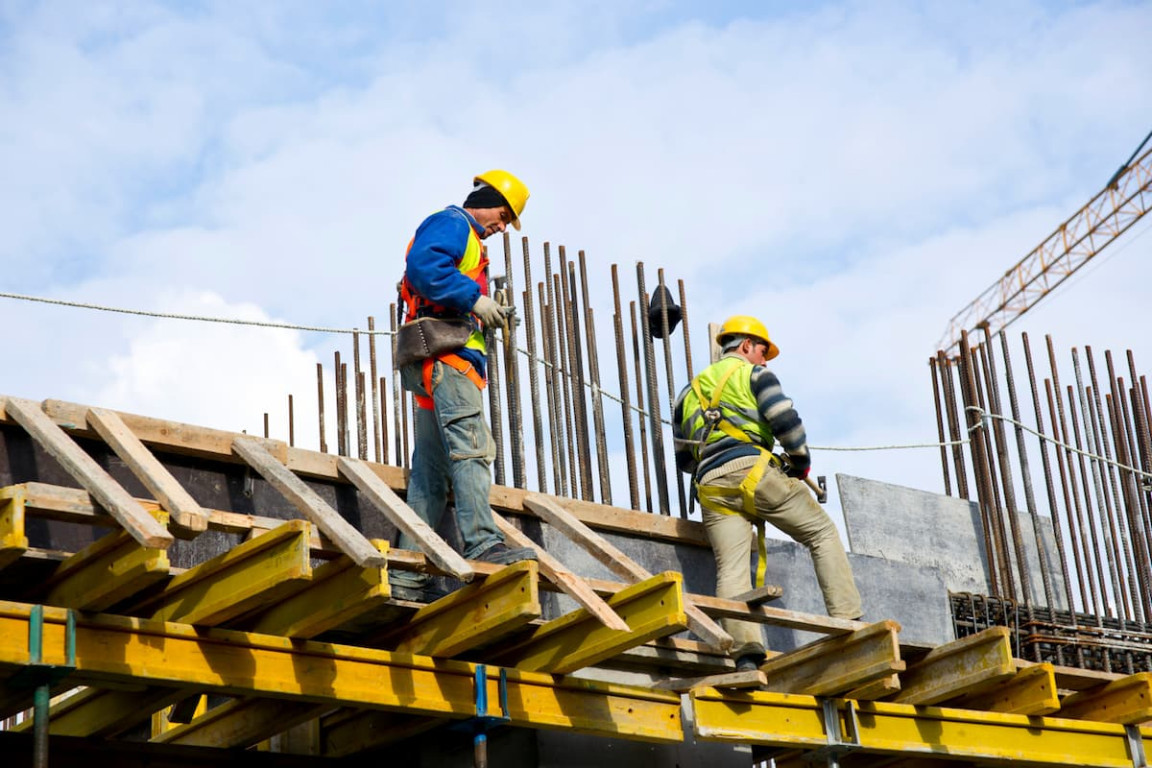
Two construction workers in yellow hard hats and hi-vis walking across formwork beams next to rebar on an open deck
Deck work in full sun, like the example row below.

Task

Prepared by / date

Job stepHeat sourcesRisk factorsControls (engineering / admin / PPE)Owner
Example: finish concrete deck, middayDirect sun, reflected heat, heavy exertionTwo workers in first week; gloves and bootsShade at staging; pour at 6 a.m.; breaks every 2 hours at high heat; buddy pairs; cooling vest under hi-visForeman

Heat stress JHA worksheet. Keep with the heat illness prevention plan. clemacooling.com/heat-illness-prevention-plan-template

Nevada requirement: Nevada OSHA guidance on R131-24AP.
How do you fill in the control measures section?

Work down the list: change the environment first, then the work, then what people wear.

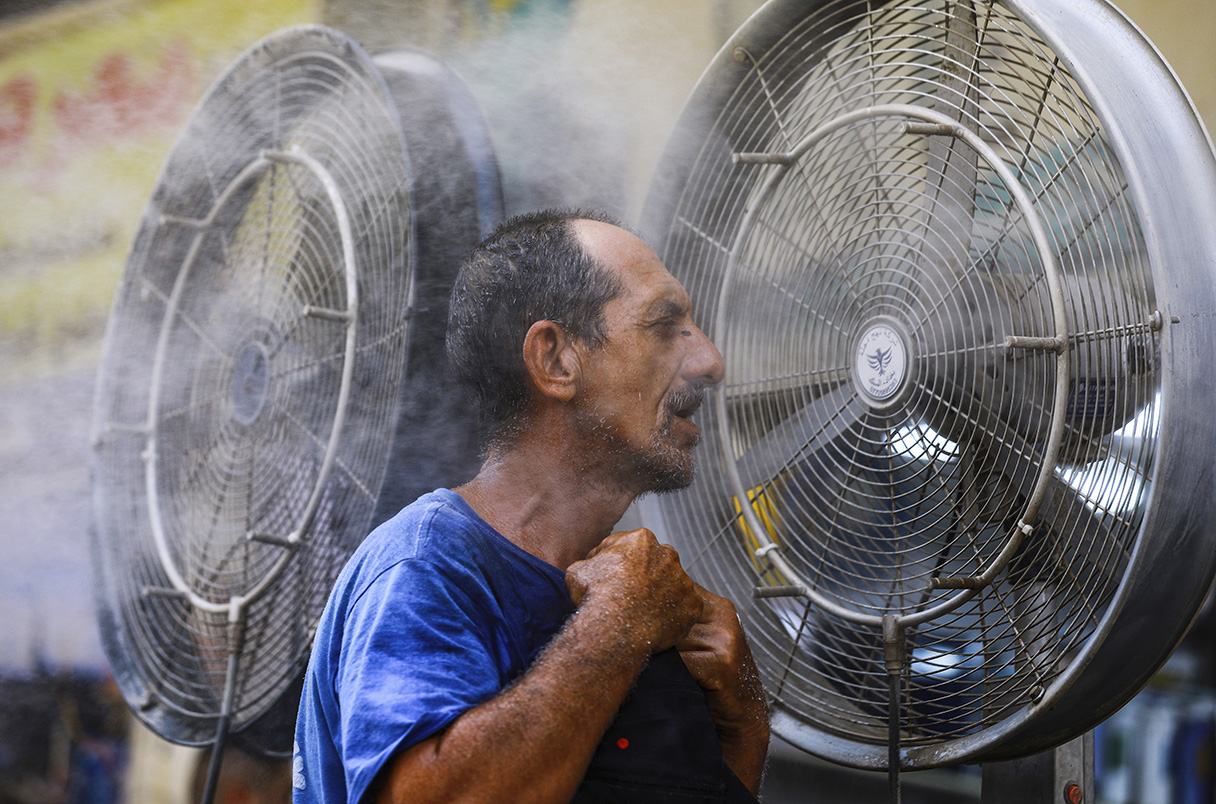
A worker in a blue T-shirt cooling off in front of two large industrial fans blowing mist
Above 102°F, OSHA's proposal has you check humidity before relying on fans.
  1. 1. Engineering

    Air conditioning, ventilation, fans, reflective shields, insulation and shade (Nevada's list). Indoors above the initial trigger, OSHA's proposal would require more air movement, air conditioning or radiant shielding.

  2. 2. Administrative

    Hot work early, rotation, more hands on hard tasks.

  3. 3. PPE and personal cooling

    What you issue, and who charges and cleans it.

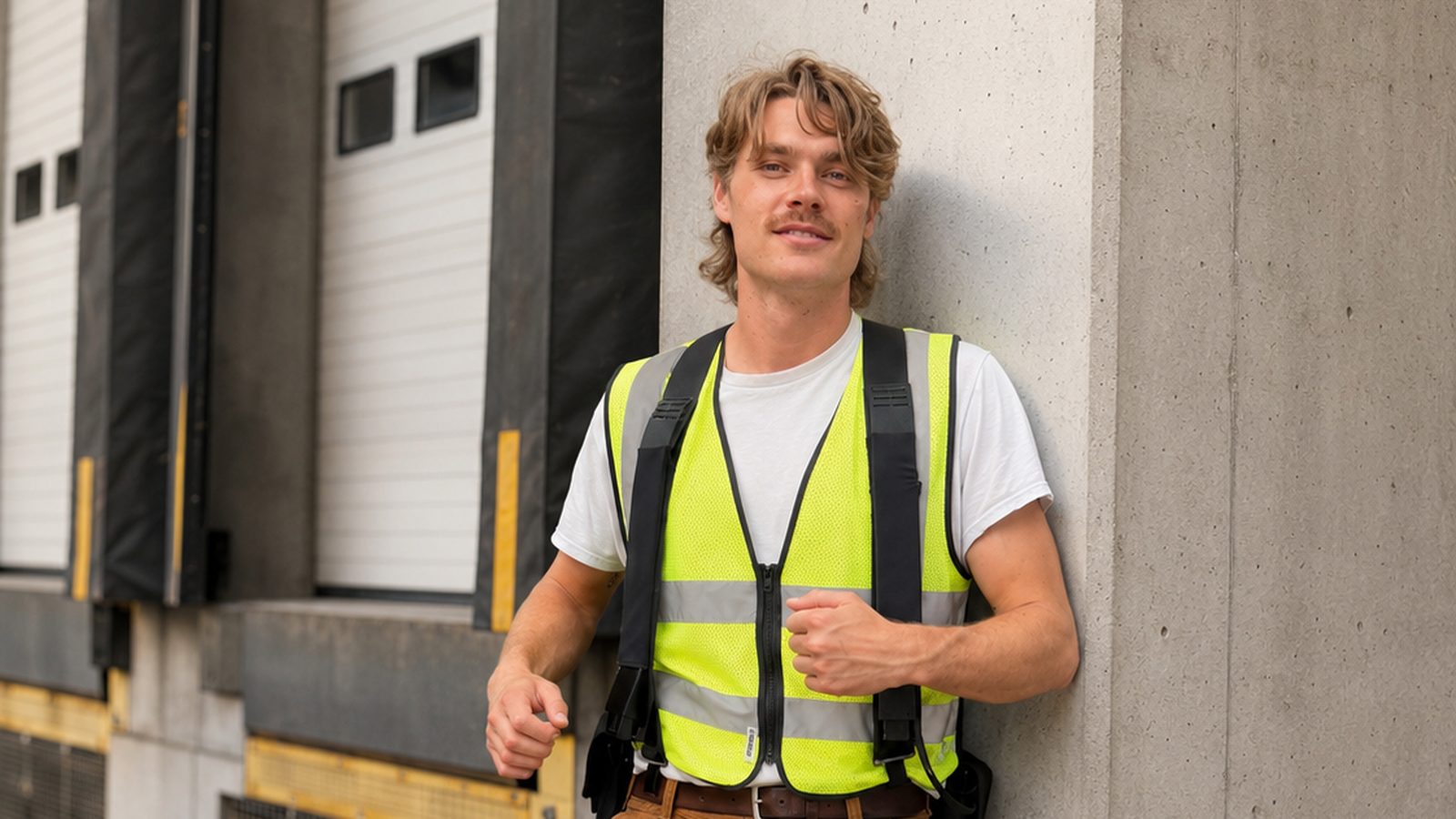
Where personal cooling fits. Oregon's rule lets cooling vests stand in for shade where shade is impossible, if the plan covers their use, care and maintenance. An active solid-state vest such as Clema needs no ice or water: 8 to 12 hours with one battery swap, worn under hi-vis. It adds to water, rest and shade and never replaces them.

A worker in a hi-vis vest over a white T-shirt leaning against a loading dock wall, wearing a Clema cooling vest underneath
Personal cooling goes under PPE in section 06.

Where written heat plans fall short.

  • Acclimatization only on paper

    No employer in the 2012–2013 OSHA heat cases CDC reviewed had a program, the most common gap (MMWR, 2014). Name who tracks it.

  • No address for the ambulance

    Oregon and the federal proposal require clear directions. Write the gate, not the mailing address.

  • The crew can't read it

    California, Washington and the federal proposal tie the plan to languages your workers understand.

  • Never reviewed

    Date it. Review before each heat season and after any serious case.

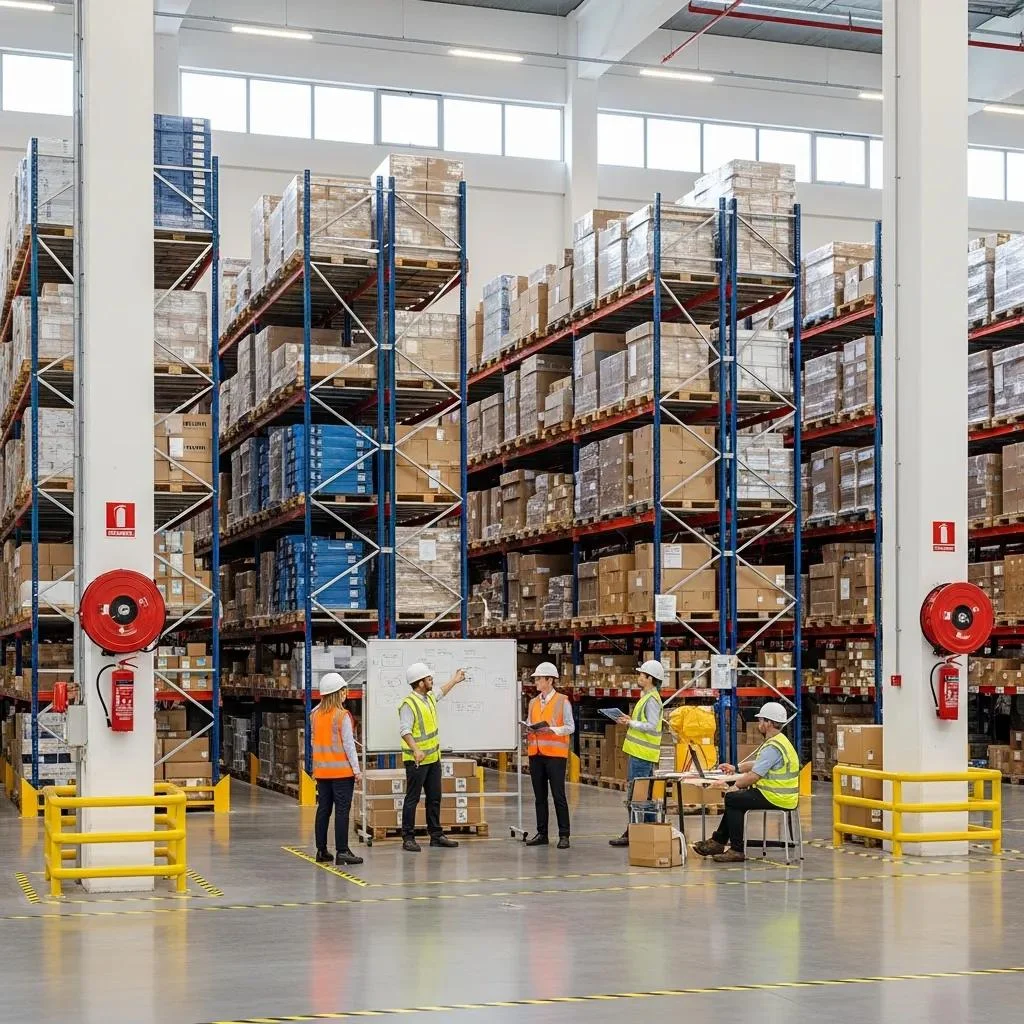
A small group of workers in hi-vis vests gathered at a whiteboard for a briefing in a tall warehouse aisle
A plan works once the crew has heard it.

No state rule? A dated plan is still what you hand over in a federal Heat NEP inspection.

Heat illness prevention plans, answered.

Is a written heat illness prevention plan required by federal OSHA?
Not yet. OSHA proposed a heat injury and illness prevention standard in August 2024, and it is still in the post-hearing phase. As proposed, employers with more than 10 employees would need a written plan. Today state rules require one in California, Washington, Oregon, Maryland and Nevada, and a written plan is the clearest evidence you can show in a federal inspection under the Heat National Emphasis Program.
Does a heat illness prevention plan have to be in Spanish?
If Spanish is what your workers understand, usually yes. California requires English plus the language of the majority of employees. Washington requires a language employees understand. OSHA's proposal would require a language each employee, supervisor and heat safety coordinator understands.
How often should a heat illness prevention plan be updated?
At least yearly before heat season, and after any serious heat illness. OSHA's proposal would require a review after any case involving death, days away from work, treatment beyond first aid or loss of consciousness. Also update it when a task or site changes enough to add heat.
What is the difference between a HIPP, an IHIPP and a HIIPP?
They name the same kind of written plan. HIPP is used under California's outdoor rule and Oregon's rule, IHIPP under California's indoor rule, and HIIPP in OSHA's proposed standard. One plan can satisfy all of them if it contains every element each rule lists.
Can cooling vests be part of a heat illness prevention plan?
Yes, as a supplemental control listed after engineering and administrative controls. Oregon's rule names cooling vests among measures that can stand in for shade where shade is impossible, with their use, care and maintenance written into the plan. Cooling gear never replaces water, rest, shade or acclimatization.

Put active cooling in section 06.

Early AccessROI calculator