Updated October 2026

Heat acclimatization schedule for new and returning workers

Almost half of heat-related worker deaths happen on the first day on the job, and more than 70% in the first week. NIOSH's schedule caps a new worker at 20% of the usual time in the heat on day 1 and adds no more than 20% a day after that. A worker with previous experience on the job starts at 50%, then 60%, 80% and 100% by day 4. Full acclimatization takes 7 to 14 days, and a week or more away costs a significant part of it.

Five days at the fastestNIOSH caps the daily step. Many workers need up to 14 days.

Why is a worker's first week in the heat so dangerous?

Their body hasn't adapted yet, and the case files show it.

Day 1

Almost half of heat-related deaths happen on the first day on the job.

OSHA
Week 1

More than 70% happen within the first week.

OSHA
9 of 13

Deaths in the first three days, four on day one (2012–2013 OSHA cases).

MMWR, 2014
11 of 14

Fatal outdoor cases in a later CDC review involved unacclimatized workers.

MMWR, 2018

None of the employers in the 2012–2013 cases had an acclimatization program. The CDC authors called that the factor most clearly tied to death.

Risk also builds over a run of hot days, even for acclimatized crews: see the consecutive heat days research.

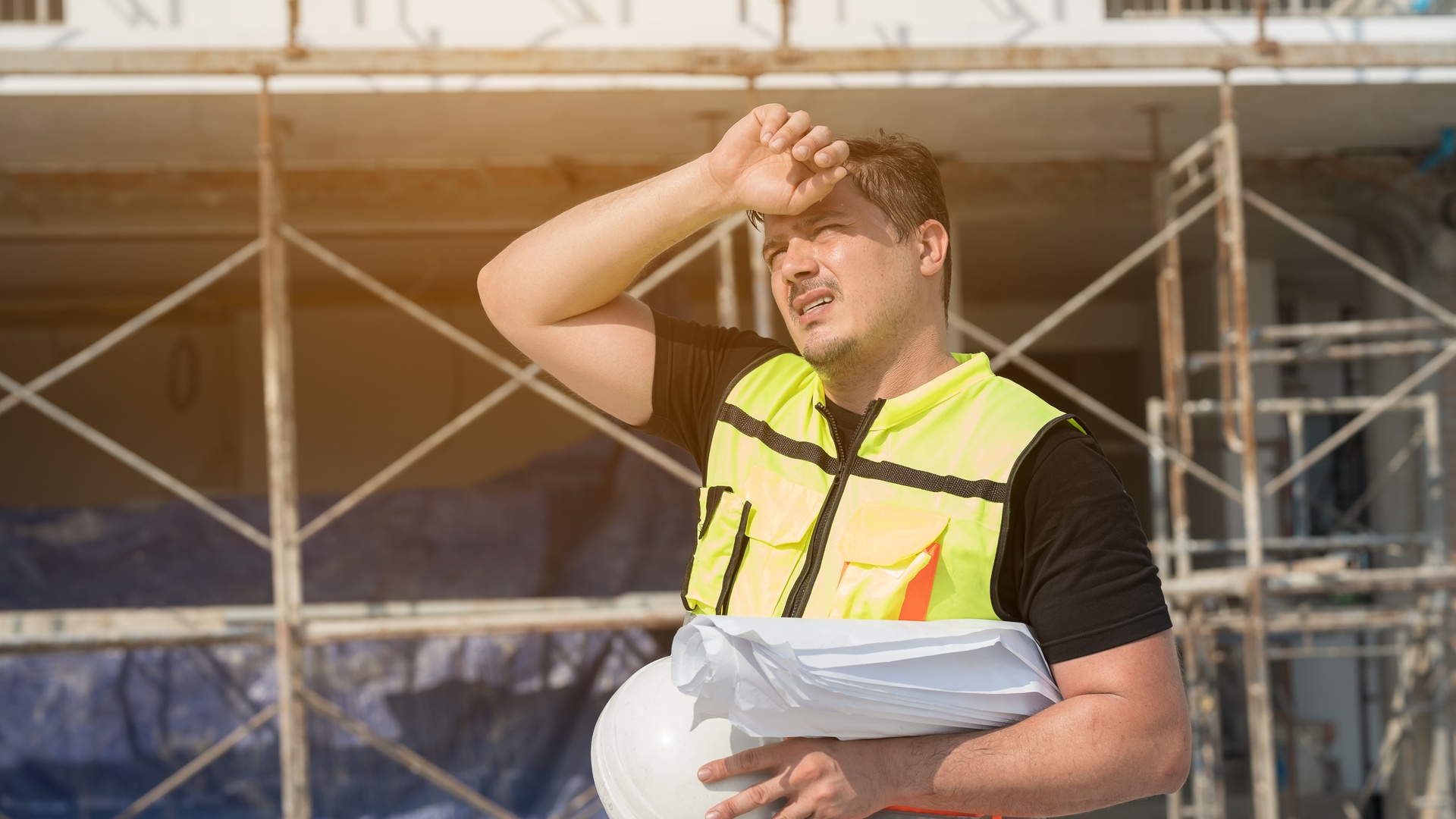
A worker in a yellow hi-vis vest wiping his forehead in harsh sun in front of scaffolding, holding a hard hat and rolled plans
The first days are when the body is least ready.

What is the NIOSH heat acclimatization schedule?

The percentages cap time in the hot environment. Fill the rest of the shift with staging, tool prep, shaded or indoor work.

New to the job

Start at 20%, add no more than 20% a day.

NIOSH ramp for new workers Maximum share of the usual time in the heat: 20% on day 1 (1 hour 36 minutes of an 8-hour shift), 40% on day 2 (3 hours 12 minutes), 60% on day 3 (4 hours 48 minutes), 80% on day 4 (6 hours 24 minutes) and 100% on day 5 (8 hours). Full shift 20% 40% 60% 80% 100% Day 1 Day 2 Day 3 Day 4 Day 5 1h 36m 3h 12m 4h 48m 6h 24m 8h
Most time in the heat on an 8-hour shift.

Experienced or returning

Start at 50%, full shift by day 4.

NIOSH ramp for experienced or returning workers Maximum share of the usual time in the heat: 50% on day 1 (4 hours of an 8-hour shift), 60% on day 2 (4 hours 48 minutes), 80% on day 3 (6 hours 24 minutes) and 100% on day 4 (8 hours). Full shift 50% 60% 80% 100% Day 1 Day 2 Day 3 Day 4 4h 4h 48m 6h 24m 8h
Use it for anyone back after a week or more away.
Hours for 8- and 10-hour shifts
DayNew worker8-hr shift10-hr shiftExperienced or returning8-hr shift10-hr shift
Day 120%1 h 36 min2 h50%4 h5 h
Day 240%3 h 12 min4 h60%4 h 48 min6 h
Day 360%4 h 48 min6 h80%6 h 24 min8 h
Day 480%6 h 24 min8 h100%8 h10 h
Day 5100%8 h10 hFull schedule

Source: NIOSH, Criteria for a Recommended Standard: Occupational Exposure to Heat and Hot Environments (2016), and its acclimatization page. NIOSH sets a maximum of 20% on day 1 and a maximum 20% increase each day, so day 5 is the earliest a new worker reaches a full day. OSHA notes some workers need up to 14 days.

How long does heat acclimatization take, and how fast is it lost?

One to two weeks to build, a week away to lose much of it, two or three days to win it back.

  1. 7–14 days

    Built

    Daily heat exposure brings a much lower core temperature and heart rate for the same work, and a higher sweat rate. Unfit workers take about 50% longer.

  2. A weekend

    Mostly kept

    A few days without heat costs little.

  3. A week+

    Significant loss

    OSHA says treat them as unacclimatized, with extra protections for at least one week.

  4. 2–3 days

    Won back

    Usually regained in 2 to 3 days back on a hot job, hence the shorter returning ramp.

Timing and loss figures: NIOSH 2016 criteria document, section on acclimatization.

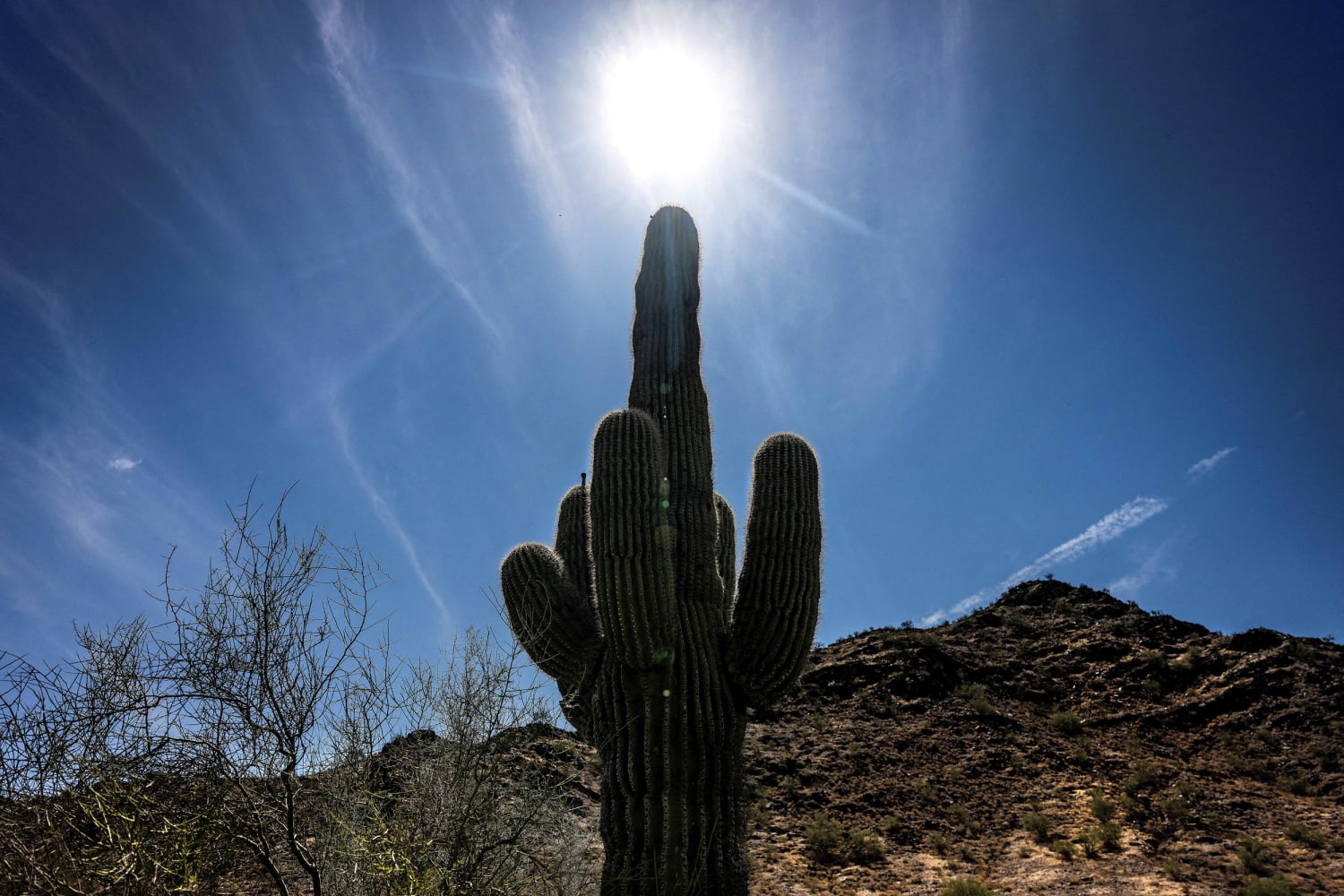
A saguaro cactus silhouetted against a harsh midday sun in a deep blue desert sky

Acclimatization is earned on hot days and fades on cool ones.

Gained in 7–14 days · lost after a week or more away

What do OSHA and state heat rules require for acclimatization?

Every state rule with a written plan expects an acclimatization method. They differ on what counts as "returning" and how long you watch.

RuleWho it coversWhat it requires
Federal proposal29 CFR 1910.148, not finalNew workers in week one; workers back after more than 14 daysHigh-heat measures whenever the heat index reaches 80°F, or a ramp of 20/40/60/80% (new) or 50/60/80% (returning). Exempt if they worked similar conditions in the prior 14 days
California8 CCR 3395, 3396Workers newly assigned to a high heat area; everyone in a heat waveClose observation by a supervisor or designee for the first 14 days. A heat wave is a day of at least 80°F and 10°F above the prior five-day average high
WashingtonWAC 296-62-09545New workers; workers back after 7+ days; heat wavesClose observation for signs of heat illness for 14 days
OregonOAR 437-002-0156New workers; workers back after more than 7 daysA written plan: your own, covering re-acclimatization and any auxiliary cooling, or the NIOSH plan
MarylandCOMAR 09.12.32.05Workers newly exposed; workers back after 7+ consecutive daysA written schedule of up to 14 days: no more than a 20% increase a day over 5–14 days, the NIOSH plan, or a gradual start combined with alternative cooling
NevadaState guidanceNew workers; workers back after 3+ daysRecommended, not a listed element: start new workers at 20% and returning workers at 50%
MinnesotaRule 5205.0110Indoor workNo schedule, but the WBGT limits are written for acclimatized workers

Sources: OSHA proposed regulatory text, (e)(7); Cal/OSHA §3395(g) and §3396(g); WAC 296-62-09545; OAR 437-002-0156(7); COMAR 09.12.32.05; Nevada OSHA guidance (May 2026); Minnesota Rules 5205.0110.

Who needs a fresh acclimatization schedule?

  • New hires, temps and agency staff

    A first day at your site is a first day, unless they worked similar conditions in the past 14 days (the federal proposal's only exception).

  • Anyone back after a week or more

    Washington, Oregon, Maryland and OSHA's guidance all use about a week.

  • Transfers into heat

    California's trigger is a new assignment to a high heat area, so moving from a climate-controlled job counts.

  • Everyone, during a heat wave

    California and Washington require watching the whole crew when the heat jumps 10°F above the recent average.

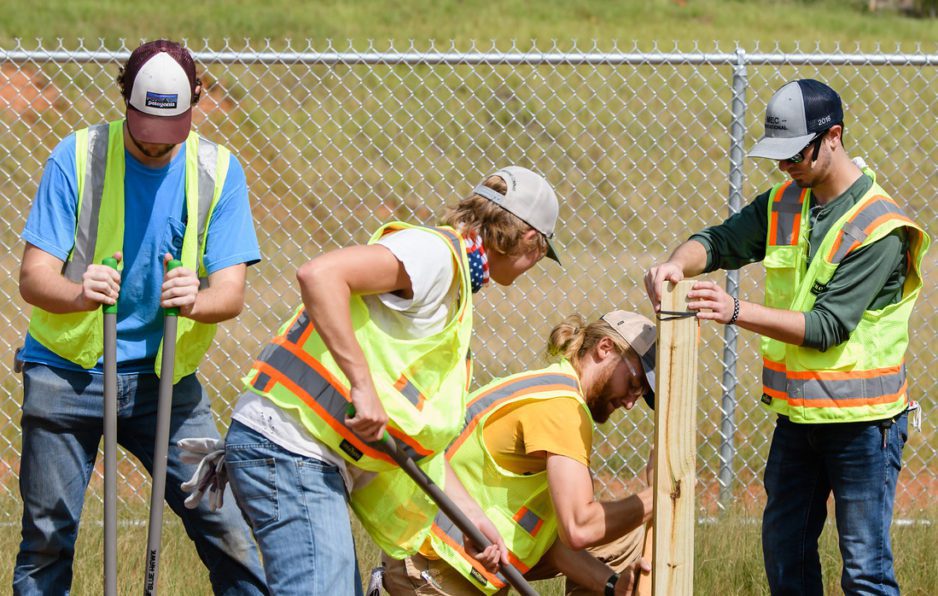
Four young workers in hi-vis vests and caps installing fence posts along a chain-link fence on a sunny day
Temp and agency workers get the same first-week ramp.

How do you run an acclimatization schedule on a job site?

  1. Flag them at the morning meeting

    Start a tracker for each one with the day's target.

  2. Plan the heat exposure first

    Hot tasks in the cooler hours; shaded or indoor work the rest.

  3. Pair them up

    With an acclimatized buddy, plus a named supervisor who checks in.

  4. Watch days 2 and 3 as closely as day 1

    OSHA warns that someone who feels fine on day one can still get sick later.

  5. Keep the tracker with your plan

    It proves the procedure ran. The plan template has a section for it; the heat stress toolbox talk covers the signs.

A worker in a yellow hard hat talking with a smiling colleague in a white hard hat and hi-vis vest on a sunny construction site
Pair every ramping worker with someone already used to the heat.

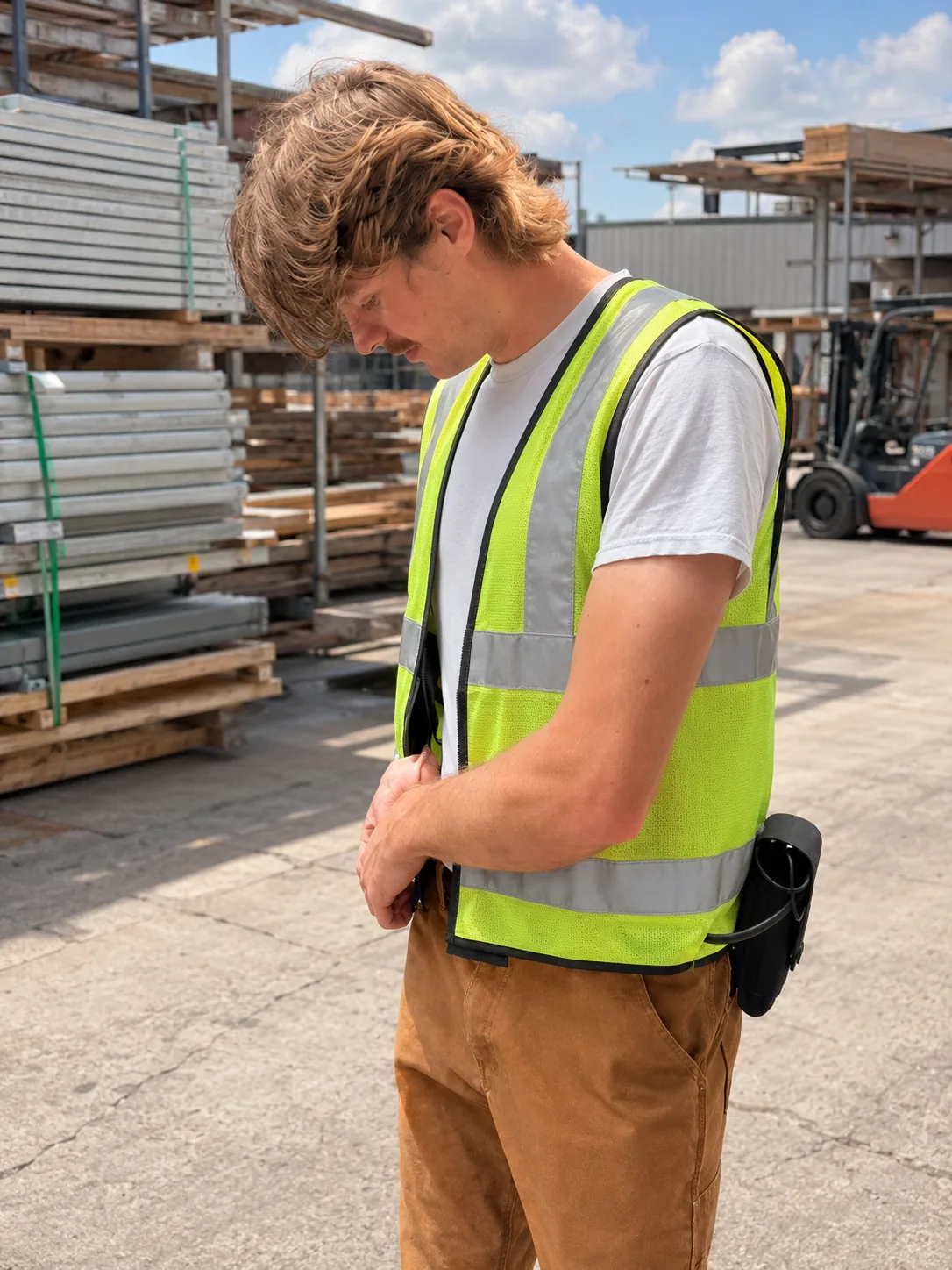
Where cooling gear fits. Personal cooling lowers heat strain during the ramp-up but doesn't replace the schedule. Oregon's rule has employer-designed plans address auxiliary cooling such as cooling vests, and Maryland allows a gradual start combined with alternative cooling. An active solid-state vest such as Clema runs 8 to 12 hours with one battery swap, worn under hi-vis. See it on a construction site.

A worker in a hi-vis vest over a white T-shirt adjusting a Clema cooling vest underneath, in a lumber yard with a forklift behind him
Worn under hi-vis, alongside the schedule.

Acclimatization tracker

One sheet per worker, and it prints in landscape on its own. Days 1–5 cover the schedule. Days 6–14 cover the close observation period California and Washington require.

Heat acclimatization tracker

Worker

Site

Start date

New / returning (days away)

Shift length

Supervisor / buddy

Target % of usual time in heat. New: 20, 40, 60, 80, 100. Returning: 50, 60, 80, 100. Slow down if the worker shows any symptom. Confusion, collapse or slurred speech: call 911 and cool immediately.

DayDateTarget %Planned time in heatActual time in heatHeat index / WBGTSymptoms (Y/N)Observer initials
1
2
3
4
5
6Full
7Full
8Full
9Full
10Full
11Full
12Full
13Full
14Full

Heat acclimatization tracker. Schedule per NIOSH 2016-106. Keep with your heat illness prevention plan. clemacooling.com/heat-acclimatization-schedule

Heat acclimatization, answered.

What is the 20% rule for heat acclimatization?
It is NIOSH's schedule for new workers: no more than 20% of the usual time in the hot environment on day 1, and no more than a 20% increase on each day after that. On an 8-hour shift that is at most about 1 hour 36 minutes in the heat on day 1, reaching a full day no sooner than day 5. OSHA's proposed federal rule uses the same steps: 20, 40, 60 and 80% on days 1 to 4.
How long does it take workers to acclimatize to heat?
About 7 to 14 days of daily heat exposure, according to NIOSH. After that, most workers do the same job with a lower core temperature and heart rate and a higher sweat rate. Physically unfit workers take about 50% longer, and OSHA notes some workers need the full 14 days.
How quickly is heat acclimatization lost?
It holds up over a few days without heat, such as a weekend. After a week or more away, NIOSH says there is a significant loss, though it can usually be regained in 2 to 3 days back on a hot job. That is why workers returning after a week or more start the shorter schedule at 50%.
Does OSHA require a heat acclimatization program?
Not yet as a federal standard. OSHA's proposed heat rule would require an acclimatization protocol for new workers and for workers back after more than 14 days, but it is not final. California, Washington, Oregon and Maryland already require acclimatization procedures or close observation of new workers, and OSHA's own guidance recommends the 20% schedule.
What acclimatization schedule should a returning worker follow?
NIOSH's schedule for workers with previous experience on the job: no more than 50% of the usual time in the heat on day 1, 60% on day 2, 80% on day 3 and 100% on day 4. Use it for anyone back after a week or more away, which is also the cutoff Washington, Oregon and Maryland use.
Can a cooling vest replace heat acclimatization?
No. Cooling gear lowers heat strain during the ramp-up, but the gradual schedule and close observation still apply. Oregon's rule asks employer-designed plans to address auxiliary cooling such as cooling vests, and Maryland allows a gradual start combined with alternative cooling. Neither treats cooling as a substitute for acclimatization.
Extra protection for the first week, all shift.

Early AccessROI calculator