Is there an intrinsically safe cooling vest?

Clema is not certified as intrinsically safe. Here is what the rating means and what to ask.
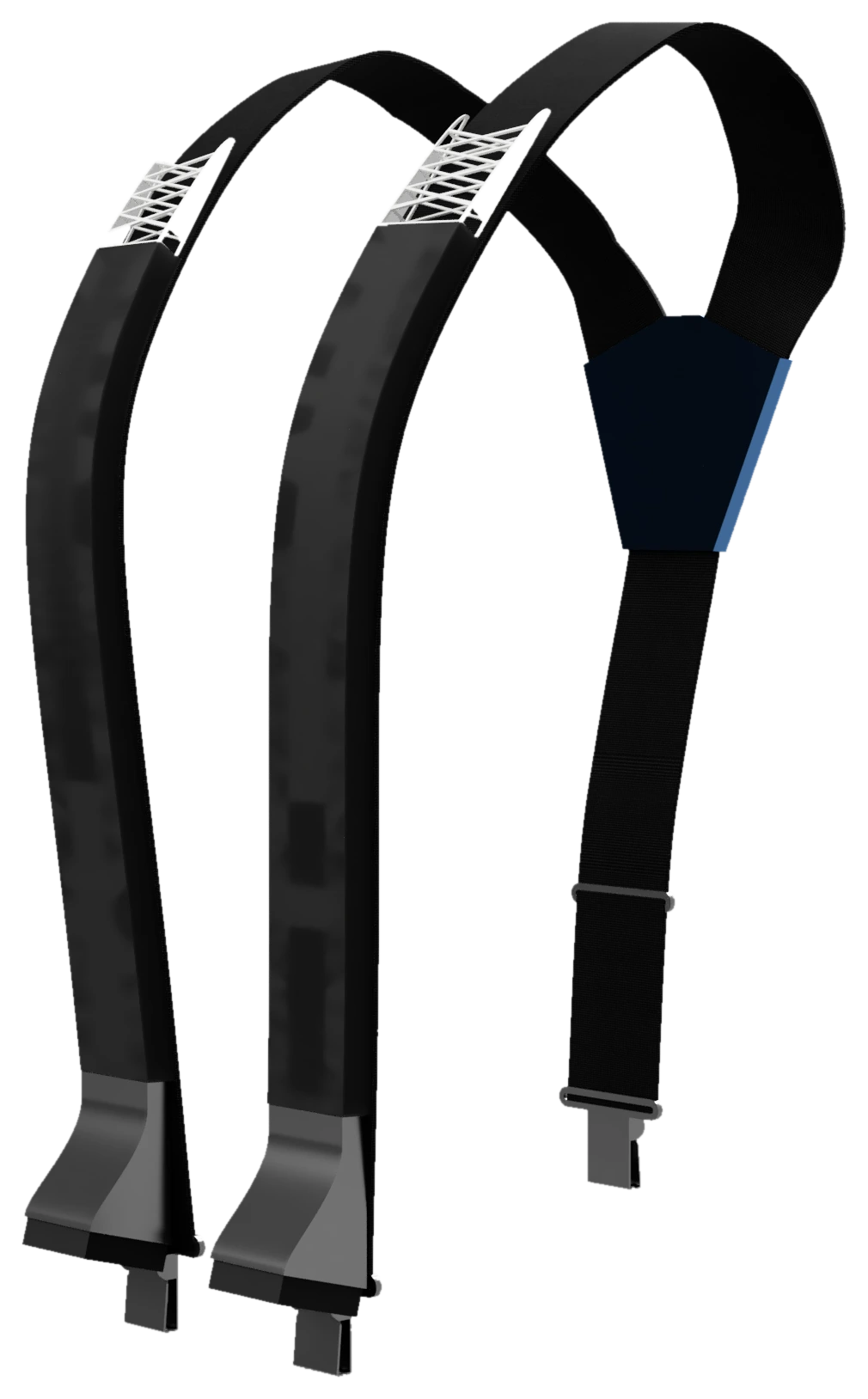
Clema solid-state active cooling vest, a battery-powered rig that is not rated for hazardous classified locations

The short answer.

Clema is not certified as intrinsically safe and is not rated for hazardous (classified) locations. It is a battery-powered device, so it should not be taken into a Class I Division 1 or Division 2 area. It is intended for unclassified areas. Before any battery-powered cooling vest goes into a classified area, ask the vendor for the certificate and check the marking on the device.

Not every hot work area on an energy site is classified, and your site's area classification drawings show where the boundaries are. The person who owns that classification decides what can go where, not the vest vendor.

What the terms mean.

TermPlain meaning
Hazardous (classified) locationAn area where flammable gases, vapors, dusts or fibers may be present in ignitable amounts
Class IThe hazard is a flammable gas or vapor
Division 1An ignitable concentration may exist under normal operating conditions
Division 2The gas or liquid is normally confined in closed systems, and is present only in abnormal conditions such as a leak
Intrinsically safeThe device's electrical and thermal energy is too low to ignite the atmosphere, even when it fails. Shown by a laboratory certificate and a marking on the device

OSHA's rule for general industry, 29 CFR 1910.307, says equipment in a classified location must be intrinsically safe, approved for that location, or safe for that location as demonstrated by the employer. More heat and safety terms are in the industrial heat and cooling glossary.

Five questions for any cooling vest vendor.

Clema's answers today: yes to the first, and no rating for the rest. We would rather say that here than have it come up at the gate.

What to use where.

Intrinsic safety and cooling vests: short answers.

Is Clema intrinsically safe?
No. Clema is not certified as intrinsically safe and is not rated for hazardous (classified) locations. It is a battery-powered device and should not be taken into a Class I Division 1 or Division 2 area. It is intended for unclassified areas. If that changes, this page will say so.
What does intrinsically safe mean?
Intrinsic safety is a protection technique in which the electrical and thermal energy in a device is kept too low to ignite a flammable atmosphere, even when the device fails. It is confirmed by a certificate from a testing laboratory and a marking on the device that names the class, division or zone, and gas group it is approved for.
What does OSHA require for equipment in classified areas?
Under 29 CFR 1910.307(c), equipment in a hazardous (classified) location must be intrinsically safe, approved for that location, or safe for that location as demonstrated by the employer. The site's area classification decides which areas this applies to.
What is the difference between Class I Division 1 and Division 2?
Class I covers flammable gases and vapors. In Division 1 an ignitable concentration may exist under normal operating conditions. In Division 2 the gases or liquids are normally confined in closed systems and are present only under abnormal conditions such as a leak.
Can any cooling vest be used in a classified area?
Ice, phase change and evaporative vests have no battery or electronics, which is why sites often choose them for classified areas, subject to the site's own rules on clothing. Any battery-powered vest, including fan and circulatory types, needs a marking for the class, division and group before it goes in. Ask the vendor for the certificate.

Keep reading.

Not sure which of your work areas are classified? Walk through them with us.

Early AccessROI calculator