Heat stress training: what's required, an outline and a quiz.

6:45 a.m., a forecast in the high 90s, and a new hire signing the heat training sheet. Whether they'd spot heat stroke in the person next to them at 2 p.m. comes down to the next 45 minutes.

California, Washington, Oregon and Minnesota require heat illness training before work in the heat starts. California, Washington and Oregon add supervisor training, and Washington, Oregon and Minnesota require a yearly refresher. No federal heat standard is in force, but OSHA's proposed rule would require initial, annual and supervisor training nationwide.

Day oneTraining before heat exposure (CA, WA, OR, MN)
Every yearRefresher (WA, OR, MN)
45 minSuggested session, plus 20 for supervisors

Who must be trained, and how often?

Every rule requires training before exposure, and California, Washington, Oregon and the federal proposal all name supervisors. They differ on refreshers, language and records. (The five-minute toolbox talk is the hot-day refresher; this is the full session.)

  1. Before day one in the heat

    Every exposed worker, before work with heat risk starts.

    • CA
    • WA
    • OR
    • MN
    • Federal proposal
  2. Before they supervise

    Supervisors get the worker content plus the procedures they run. The federal proposal adds heat safety coordinators.

    • CA
    • WA
    • OR
    • Federal proposal
  3. Every year

    A refresher. Federal proposal: by the start of heat season for outdoor crews.

    • WA: at least yearly
    • OR: yearly, before exposure
    • MN: within 1 year
    • Federal proposal
    • CA: no interval set
  4. When something changes

    Supplemental training after site changes or a serious heat illness.

    • Federal proposal
Compare the rules: scope, language, records
RuleApplies toInitialRefresherLanguageRecords
California
T8 §3395 outdoor, §3396 indoor
All outdoor workplaces; indoor work areas at 82°F or aboveBefore work with reasonably anticipated heat illness risk; supervisors before supervising itNot specified in the textWritten plan in English and the majority languageNot specified in these sections
Washington
WAC 296-62-09560
Outdoor work at 80°F, or 52°F in nonbreathable clothing (agriculture and firefighting have their own chapters)Before outdoor work with heat exposureAt least annuallyA language and manner the employee understandsNot specified in this section
Oregon
OAR 437-002-0156
Indoor and outdoor work at a heat index of 80°F or aboveBefore work with anticipated heat illness riskAnnually, before the exposureLanguage and vocabulary readily understood, in a manner that invites feedbackName or ID, date, trainer; keep the latest annual record
Minnesota
5205.0110 via 5206.0700
Employees exposed to indoor heatBefore initial assignmentAt intervals of no more than one yearNot addressed in these sectionsDates, trainer name and qualifications, names and job titles, outline; keep 3 years
Federal (proposed)
89 FR 70698
Work at or above a heat index of 80°F or the NIOSH WBGT alert limitBefore work at the initial trigger; supervisors and heat safety coordinators get added contentAnnual; outdoor crews before or at the start of heat season; plus supplemental training after changes or a serious heat illnessA language and literacy level each person understands, with time for questionsProposed recordkeeping covers indoor heat measurements, not training

Sources: rule text linked in the table, read October 2026. The federal rule is a proposal, not in force (status). State pages: Cal/OSHA, Washington, Oregon; Nevada, Maryland and Colorado are on heat laws by state.
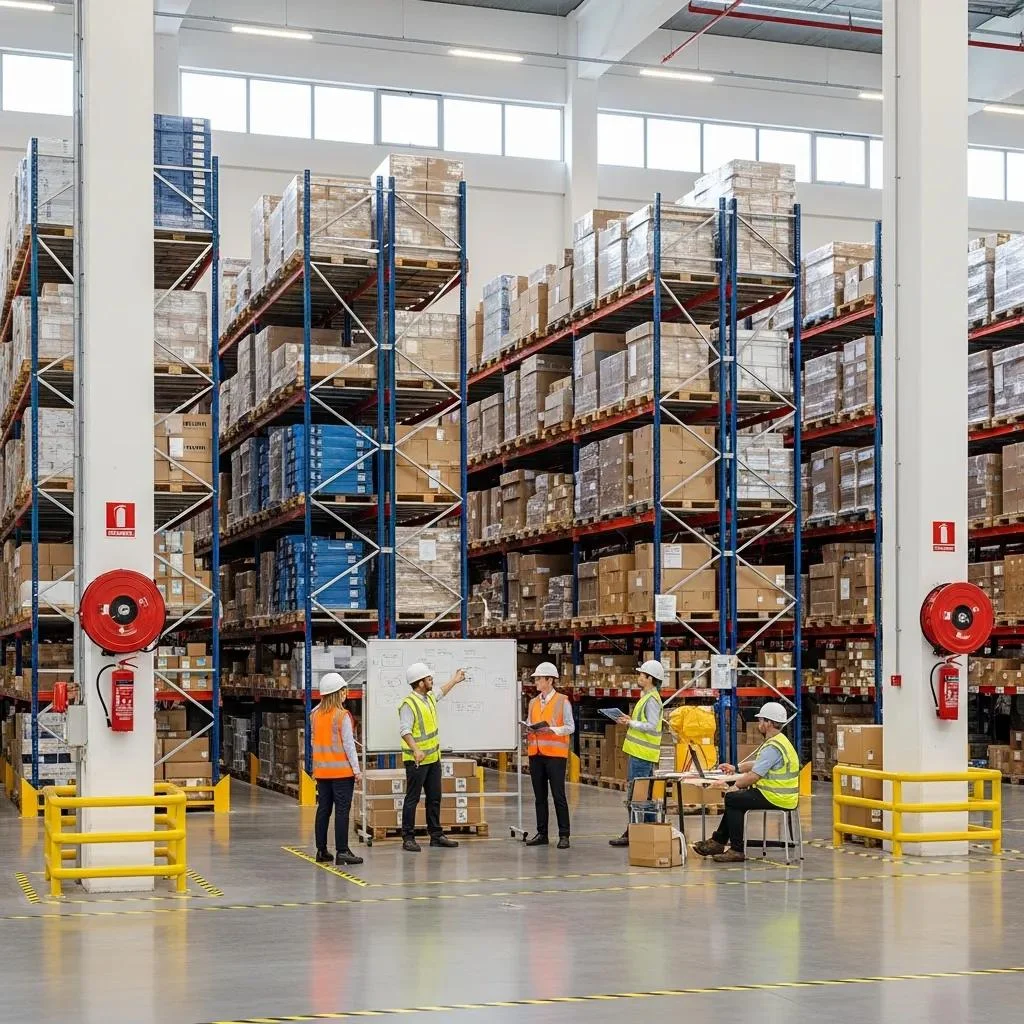
A small crew in hi-vis vests gathered around a whiteboard for a briefing inside a large warehouse with tall racking
Indoor crews count too: California's indoor rule starts at 82°F.

What that means for your schedule

  • Train every year, before the heat season. It's the one schedule that satisfies every rule here.
  • Make sure it landed. OSHA's training policy tells inspectors to look past the paperwork to whether workers understood, and the federal proposal says each worker "receives training on, and understands" each topic.


A heat stress training outline supervisors can deliver.

Eight blocks, about 45 minutes, built from the topics the California, Washington and Oregon rules list. Timings are our suggestion. Fill the brackets with your site's details.

0 min2545 min
  1. 1

    Why heat is a hazard here 5 min

    Heat, humidity, sun and still air, plus exertion, clothing and PPE. Show today on the heat index bands.

  2. 2

    Personal risk factors 5 min

    Age, fitness, medical conditions, medications, alcohol and drugs, past heat illness, pregnancy.

  3. 3

    Water 5 min

    Small amounts often, up to 4 cups (32 ounces) an hour when sweating (CA, OR). Show [where the water is].

  4. 4

    Rest and shade 5 min

    Where the shade is, the right to a cool-down rest without retaliation, and heat-trapping PPE off on breaks. Washington's mandatory rests start at 90°F.

  5. 5

    Acclimatization 5 min

    NIOSH: new workers start at 20% of their usual heat time or less, adding up to 20% a day; returning workers go 50, 60, 80, 100% over four days. WA: no building tolerance in a heat wave.

  6. 6

    Signs, symptoms, first aid 10 min

    Cramps, rash, fainting, exhaustion and stroke (OSHA's table). Confusion, slurred speech or unconsciousness means heat stroke: call 911 and cool them with ice or cold water.

  7. 7

    Reporting and emergencies 7 min

    Report symptoms right away, yours or a coworker's. Who calls 911 [name], who meets the ambulance [name], the address [read it out]. Nobody with symptoms is left or sent home alone.

  8. 8

    Questions and quiz 3 min + quiz

    Oregon wants feedback built in; the federal proposal requires time for questions. Keep the quiz sheets.

Construction worker in a hi-vis vest wiping sweat from his forehead and squinting in the sun, holding a white hard hat in front of scaffolding
Block 6 teaches your crew to spot this in each other.
Construction supervisor in a white hard hat and hi-vis jacket holding a two-way radio on a building site with tower cranes
Supervisors make the calls: the cool-down, the 911 call, the meeting point.

Supervisor add-on, about 20 minutes

  • Their procedures under your plan, and what to do when someone shows symptoms (CA, WA, federal).
  • Tracking the weather and hot weather advisories (CA), plus heat index and WBGT (OSHA Technical Manual).
  • Controls like air conditioning and cooler work hours (WA).
  • Getting a sick worker to where EMS can reach them (CA, WA).
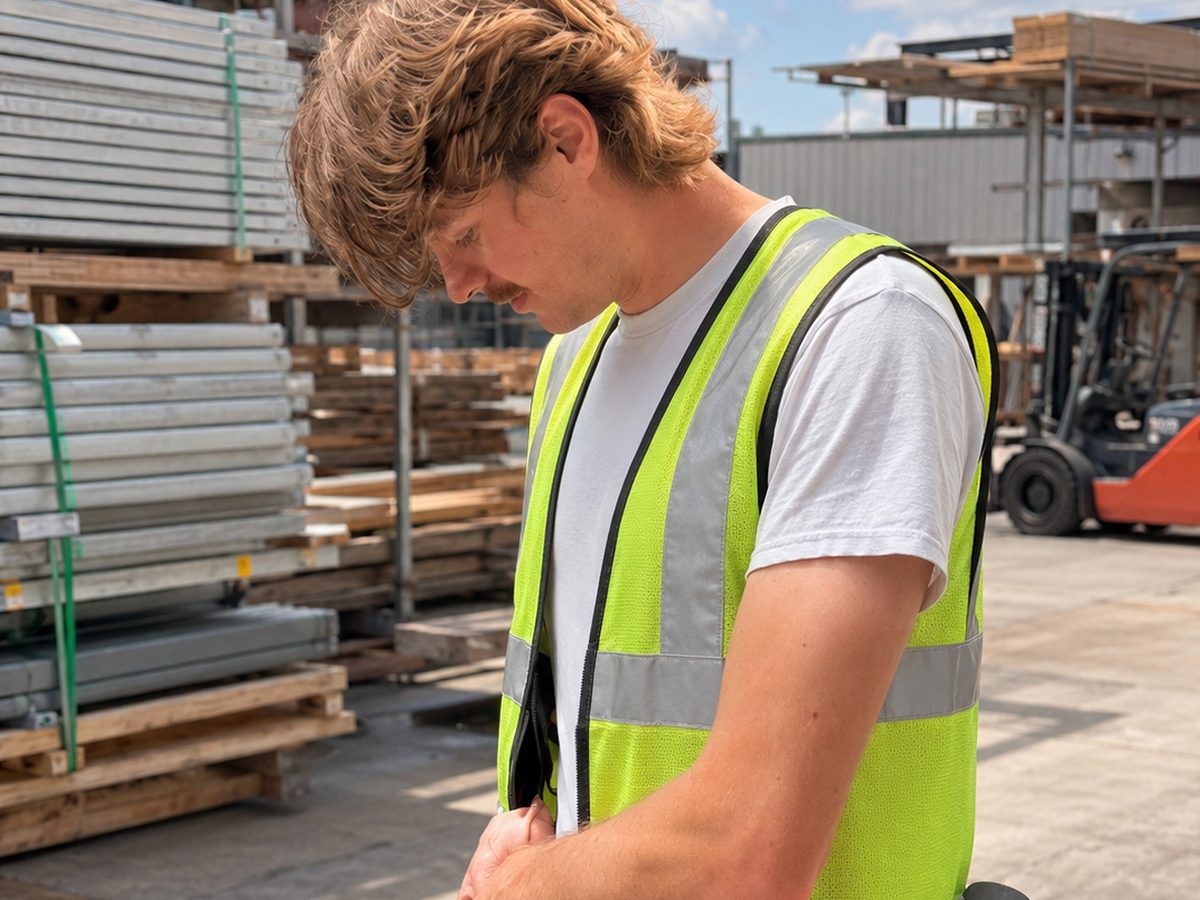
Worker in a white T-shirt looking down at a Clema cooling vest layered under his hi-vis safety vest in a lumber yard
A Clema cooling vest layered under hi-vis.

Issuing cooling gear? Train on it.

OSHA's Technical Manual lists its care and use as a training topic. For Clema: fit under PPE, and battery swaps (under a minute, 4 to 6 hours per battery). Terms: glossary.

Heat stress quiz: 10 questions.

Read them out loud for anyone who prefers it, and collect the sheets with the sign-in record.

  1. 1

    A coworker is confused and slurring words after working in the sun. What do you do first?

    • aGive water and let them sit
    • bCall 911 and start cooling them right away
    • cSend them home to rest
  2. 2

    Which is more typical of heat exhaustion than heat stroke?

    • aSeizures
    • bHeavy sweating, dizziness and nausea
    • cUnconsciousness
  3. 3

    True or false: a person with heat stroke always stops sweating.

    • TTrue
    • FFalse
  4. 4

    When it's hot and you're sweating, how should you drink water?

    • aOnly when thirsty
    • bSmall amounts often, up to about 4 cups an hour
    • cA large amount at lunch
  5. 5

    On a new worker's first day in the heat, NIOSH suggests no more than what share of the usual time in the heat?

    • a20%
    • b50%
    • c100%
  6. 6

    True or false: an experienced worker back from a week or more away can go straight back to full shifts in the heat.

    • TTrue
    • FFalse
  7. 7

    Why are heavy coveralls or chemical suits a heat risk?

    • aThey trap heat and stop sweat from evaporating
    • bThey make you sweat less
    • cThey aren't a risk
  8. 8

    The forecast heat index is 88°F and you'll work in full sun. Your heat exposure is:

    • aThe same as the forecast
    • bLikely higher, because the heat index assumes shade
    • cLower
  9. 9

    You feel dizzy and sick to your stomach while working in the heat. What should you do?

    • aKeep working until the next break
    • bTell your supervisor right away and take a cool-down rest
    • cDrink an energy drink
  10. 10

    True or false: a worker showing signs of heat illness can be sent home alone to recover.

    • TTrue
    • FFalse
Answer key, with sources
  1. 1bConfusion and slurred speech are heat stroke signs: call 911 and cool with ice or cold water (OSHA).
  2. 2bOSHA lists heavy sweating, dizziness and nausea under heat exhaustion; seizures and unconsciousness under heat stroke.
  3. 3FalseOSHA lists "heavy sweating or hot, dry skin" for heat stroke. Sweating doesn't rule it out.
  4. 4bUp to 4 cups an hour in small amounts (Cal/OSHA §3395; Oregon says 32 ounces).
  5. 5aNo more than 20% on day one, adding no more than 20% a day (NIOSH 2016-106).
  6. 6FalseNIOSH suggests 50%, 60%, 80% then 100% over four days for returning workers.
  7. 7aOSHA adds a clothing adjustment for coveralls and vapor barriers; Washington requires training on removing heat-retaining PPE at breaks.
  8. 8bThe heat index is calculated for shade; direct sun can raise it by up to 13.5°F (OSHA).
  9. 9bThose are heat exhaustion signs. California, Washington and Oregon all require training on reporting symptoms immediately.
  10. 10FalseCal/OSHA: not left alone or sent home without being offered first aid or emergency services. OSHA: never leave the worker alone.
Two construction workers in hard hats, one in a hi-vis vest, talking and smiling at a railing on a building site
Check understanding the way you'd talk through any job: face to face.

Running heat stress training in Spanish.

None of these rules names Spanish. They require a language the worker understands, which on many crews is Spanish.

OSHA's policy says to train "using both a language and vocabulary that the employees can understand." If you give work instructions in Spanish, train in Spanish. The same goes for any language your crew speaks.

Use a fluent trainer

A bilingual supervisor who knows the site beats a translated slide deck.

Start from OSHA's Spanish materials

The heat QuickCard (OSHA 3417) and fact sheet (OSHA 3423): symptoms and first aid.

Fix the key terms

OSHA uses agotamiento por calor and golpe de calor, but the QuickCard also says insolación. Pick one for heat stroke; pair it with Llame al 911 de inmediato.

Translate the site details

Water, cool-down area, who calls 911, how the ambulance finds you.

Check understanding in Spanish

Ask open questions ("¿Qué hace si su compañero está confundido?") and log the training language on the sign-in sheet.

California plans need a Spanish copy

The written plan must be in English and the majority language.

Heat training, answered.

Does OSHA require heat stress training?
Not under a federal heat standard today, because none is in force. OSHA's August 2024 proposed rule would require initial, annual, supplemental and supervisor training. California, Washington, Oregon and Minnesota already require heat illness training for covered workers.
How often is heat illness training required?
Before the first exposure everywhere it is required. After that, Washington requires training at least annually, Oregon requires it annually before work in the heat, and Minnesota requires updates at intervals of no more than one year. California's sections 3395 and 3396 require training before exposure but do not set a refresher interval. The proposed federal rule would require an annual refresher, held before or at the start of the heat season for outdoor workers.
Who needs heat stress training?
Every worker who may be exposed to heat at work, and every supervisor of those workers. Supervisors get the worker content plus the procedures they must carry out, including the emergency response. The proposed federal rule would also train each heat safety coordinator.
What should heat illness prevention training include?
At minimum: environmental and personal risk factors, including exertion, clothing and PPE; the employer's procedures for water, shade or cool-down areas and rest; drinking small amounts of water often; acclimatization; the types, signs and symptoms of heat illness and first aid; reporting symptoms right away; and the emergency procedures, including how emergency medical services will reach the site.
Does heat stress training have to be in Spanish?
It has to be in a language the worker understands, which for many crews means Spanish. Washington requires a language and manner the employee understands, Oregon a language and vocabulary readily understood, and the proposed federal rule a language and literacy level each worker understands. California requires the written heat illness prevention plan in English and in the language understood by the majority of employees.
Is a toolbox talk enough for heat stress training?
Usually not on its own. A five-minute talk is a good daily refresher, but the state rules list specific topics, including site emergency procedures and acclimatization, that take longer than five minutes to cover properly. Run a full session before the heat season and use toolbox talks on hot days to reinforce it.

Keep reading.

Training sets the rules. Cooling buys the time.

Early AccessROI calculator