Heat Safety PPE: How Required Gear Adds Heat Stress, and What to Do About It
Put a worker in limited-use vapor-barrier coveralls and OSHA's heat method adds 11°C (19.8°F) to the WBGT reading before you've looked at anything else about the job.
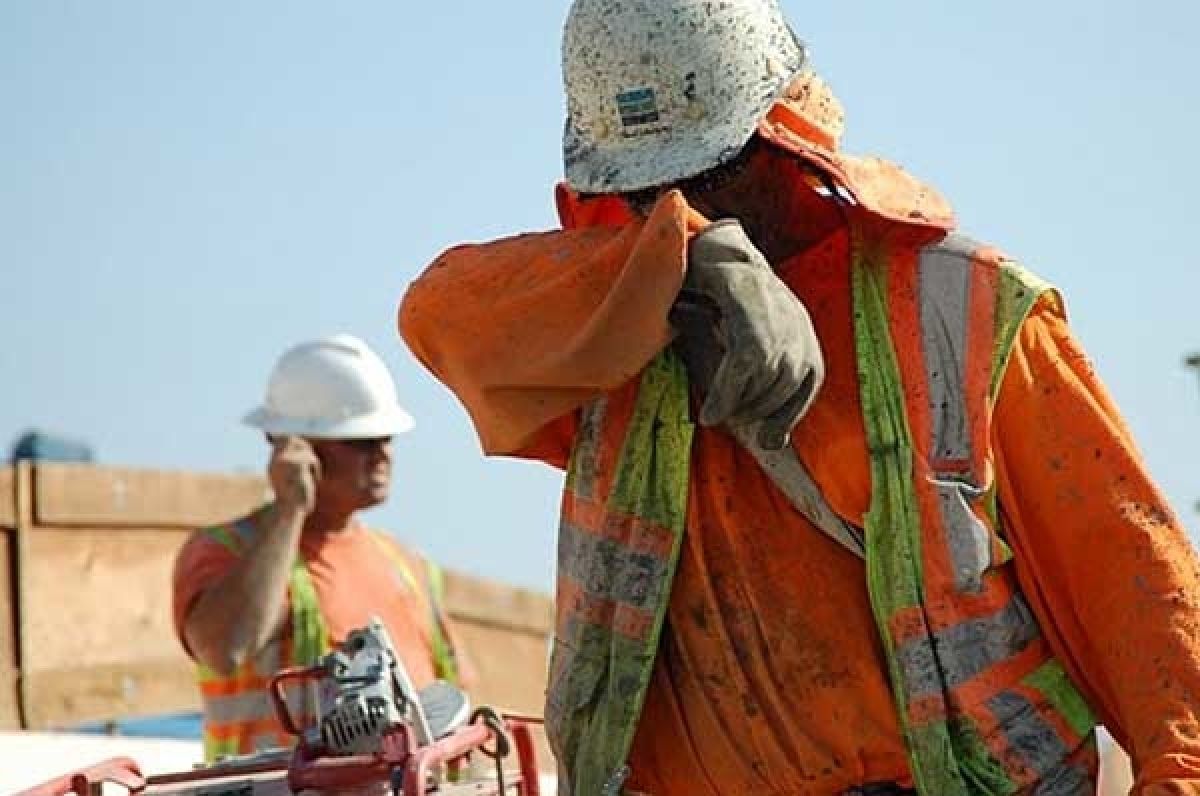
So yes, PPE can cause heat stress. NIOSH says it can reduce the body's normal ways of shedding heat, hold heat and moisture in, and make the work harder. OSHA adds that certain respirators, impermeable clothing and head coverings can raise the risk of heat-related illness. Most of that gear can't come off, because it protects against another hazard. So account for the added heat when you assess the job, and control it with the usual measures. Personal cooling can be one of them, never a substitute for the rest.
Based on OSHA's heat pages, NIOSH guidance and the text of California's indoor heat rule, checked in October 2026. General information, not legal advice. Heat rules differ by place and change over time.
Key takeaways
Adjust the readingOSHA adds 0 to 11°C to measured WBGT depending on the clothing.
Controls come in orderEngineering first, work practices second, personal equipment last.
No federal heat standard yetOSHA enforces under the General Duty Clause; California's indoor rule is in force.
Cooling adds, never replacesWater, rest, shade, acclimatization and training still apply.
Why required PPE makes heat harder to manage
NIOSH's PPE heat burden page describes three things that happen when someone works in heavy or sealed gear in the heat.
Sweat can't do its job
Sweat only cools when it can evaporate, and many protective layers stop that.
Heat and moisture stay in
The layers insulate the body and trap what it gives off.
The work gets harder
Extra weight and the effort of moving in the gear raise the effort of each task, which makes more heat.
California's indoor heat rule defines “clothing that restricts heat removal” as full-body clothing covering the arms, legs and torso that is waterproof, designed to protect against chemical, biological, physical, radiological or fire hazards, or designed to protect the wearer or the work process from contamination. Flame-resistant coveralls and chemical suits may qualify. Some permeable clothing worn in place of street clothes is excluded, if the employer can show it meets the rule's conditions.
How much heat does clothing add?
OSHA puts a number on it. Protective gear can make workers feel much hotter than the measured temperature suggests, so you add a clothing adjustment factor to the measured WBGT (wet bulb globe temperature) to get an “effective WBGT.”
Added to measured WBGT, by clothing type
OSHA's table, adapted from NIOSH guidance.
Source: OSHA, Heat Hazard Recognition, table adapted from NIOSH guidelines (2016), as shown on OSHA's page in October 2026.
Here's the arithmetic, to show how the method works. It isn't a finding about any workplace.
What the table does and doesn't cover
It covers the six clothing types listed. OSHA's page gives no factor for other equipment, such as respirators, harnesses or specific flame-resistant garments.
OSHA treats it as part of a screening step. Where screening suggests heat stress may be unsafe, OSHA says a more detailed hazard assessment is warranted and points to its Heat Stress Calculator.
NIOSH's 2016 criteria document also shows older values for some clothing, for example 3.5°C for cloth coveralls in its “previous” column. The chart above follows OSHA's current page.
For heavily encapsulating or impermeable ensembles, we suggest involving an industrial hygienist rather than relying on a lookup table.
For how this adjustment fits into testing a cooling wearable on site, see our review of the 2026 construction cooling vest study.
What the rules say, and what is only proposed
This reflects the sources below as of October 24, 2026; confirm current text before you rely on it. OSHA has no final heat-specific standard. It enforces under the General Duty Clause, which requires a workplace free from recognized hazards likely to cause death or serious harm, and OSHA says that includes heat. Its general industry PPE standard, 29 CFR 1910.132(d), separately requires a hazard assessment to select PPE.
- July 23, 2024
California indoor heat rule operativeIn force
Section 3396 applies to indoor work areas at or above 82°F when employees are present, with listed exceptions. - August 30, 2024
OSHA publishes a proposed heat ruleProposed only
OSHA calls it a step toward a federal heat standard. It isn't in effect, and the final text could differ. - January 14, 2025
Comment period closes.
- June 16 to July 2, 2025
Informal hearing.
- October 30, 2025
Post-hearing comment period ends.
- April 10, 2026
OSHA National Emphasis Program, CPL 03-00-024In force
Covers outdoor and indoor heat-related hazards. See our explainer.
More on the federal proposal on our OSHA heat standard page.
California §3396: triggers and the order of controls
The rule's assessment and control-measures subsection applies only where one of these conditions is met: the temperature or heat index is 87°F or higher; employees wear clothing that restricts heat removal and the temperature is 82°F or higher; or employees work in a high radiant heat area and the temperature is 82°F or higher.
Where those control measures apply, they come in order. Engineering controls come first, aimed at keeping the temperature below 87°F, or below 82°F for restrictive clothing and high radiant heat areas, unless the employer demonstrates they are infeasible. Where those are not enough, administrative controls are used, unless the employer demonstrates they are infeasible. Where engineering controls are not enough and feasible administrative controls do not minimize the risk, personal heat-protective equipment is used, unless the employer demonstrates it is infeasible.
The rule defines that equipment as equipment worn to protect against heat illness, and lists water-cooled garments, air-cooled garments, cooling vests, wetted over-garments, heat-reflective clothing and supplied-air personal cooling systems as examples. Training must cover the added heat load from exertion, clothing and PPE.
Whether a garment or work area meets these definitions is a question of facts, so read the rule text and ask Cal/OSHA or counsel where it matters. Other states have their own triggers; see our heat safety laws by state directory and California heat standard guide.
Heat controls that still apply when PPE stays on
Keeping the gear on doesn't remove the need for ordinary heat-safety measures. OSHA puts them in this order.
Cool the environment
Engineering controls come first.
Change the work
Work practices when that isn't enough.
Personal equipment
Including personal cooling, last.
Make the work environment cooler.Air-conditioned cabs and break rooms, more ventilation, cooling fans, local exhaust at high-heat points, reflective shields for radiant heat, insulated hot surfaces, cooled seats or benches for breaks, and machines to cut manual work.
Change the work practices.Mandatory breaks somewhere cooler that lengthen as heat stress rises, cooler times of day, lighter demand, job rotation, plenty of water or electrolyte fluids, an emergency plan and a buddy system. See our WBGT work and rest limits and OSHA heat index break chart.
Acclimatize workers.NIOSH: new workers start at no more than 20% of the usual time in the heat on day 1, adding no more than 20% a day. Experienced workers: no more than 50%, 60%, 80% and 100% over four days. See our heat acclimatization schedule.
Give heat-trapping gear a break where it's safe to.NIOSH's example: firefighters removing the ensemble jacket and cooling their arms in cool water during rest breaks. When gear can come off is a call for your safety lead and the PPE maker's instructions.
Train people.Workers and supervisors should know the signs of heat illness and how PPE adds to the load. See our heat stress training outline and heat illness prevention plan template.
Where personal cooling fits, and its limits
Personal cooling is the last layer. OSHA says heat stress should in most cases be reduced by engineering controls or work practice changes, and that in some limited situations special cooling devices can protect workers. It lists insulated suits, reflective clothing, infrared-reflecting face shields and cooling neck wraps, and, in extremely hot conditions, a vest fed by cooled air from a vortex tube and jackets or vests with reusable ice or phase change packs. In California's rule, personal heat-protective equipment is the third and last tier.
NIOSH evaluated four approaches to auxiliary cooling in its 2016 criteria document.
Water-cooled garments
Circulate cooled water next to the skin. The worker is tethered to the circulating system, which limits movement, and some systems are heavy or cumbersome.
Air-cooled garments
Distribute cooling air next to the skin and need a supplied air source. A vortex tube, though noisy, can serve as a simple one.
Ice or phase-change vests
Cooling packs worn against the body. Cooling isn't continuous or regulated. At 29.4 to 35.0°C in its examples, NIOSH reports up to four hours of some cooling, usually about two to three hours of effective cooling, with packs replaced every two to four hours. At 51.7°C (125.1°F) and 25% relative humidity, any benefit was negligible after about three hours.
Wetted overgarments
A wetted cotton cover worn over impermeable clothing. Effective where evaporation from the wet cover isn't restricted.
Source: NIOSH, Criteria for a Recommended Standard: Occupational Exposure to Heat and Hot Environments, 2016, section 6.3.
That 2016 document doesn't evaluate newer battery-powered wearables. For any product, ask for test evidence at your own temperature, humidity and workload. Our cooling vest comparison covers the main vest types.
Questions to ask before putting a cooling wearable under your PPE
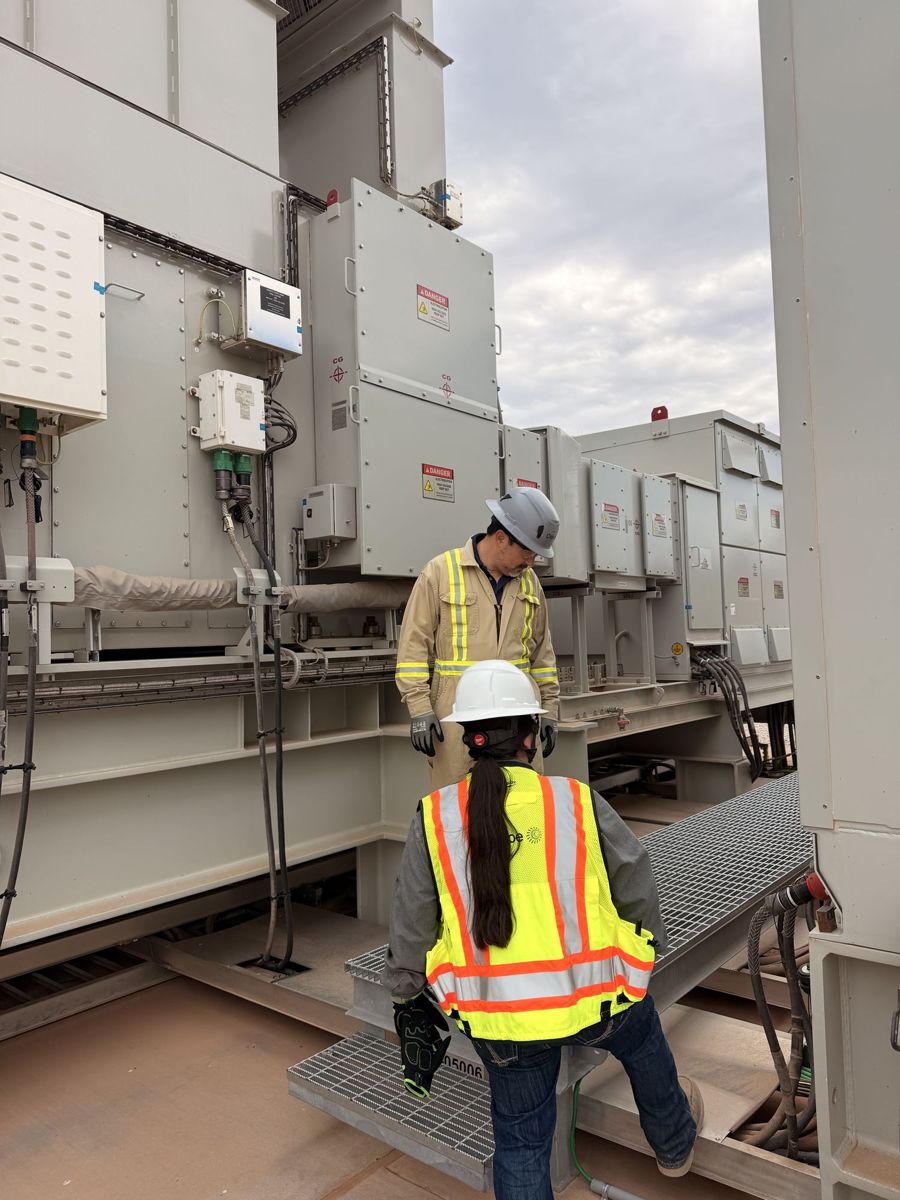
Does it work with your crew's exact gear? Name the garments, harnesses, respirator or SCBA straps and hi-vis layers, and ask the supplier and your PPE makers in writing.
Is it suitable for your hazards? For flame-resistant clothing or classified hazardous areas, ask whether the device is assessed or rated for that setting.
What evidence exists, and under what conditions? Where, how and by whom was any cooling figure measured? Lab result, pilot or independent test?
How is it kept running?Runtime, swap or recharge time, spares, weight and cleaning.
How will you know it helped?Define a measure before a pilot, and keep pilot feedback separate from measured results.
Who owns your PPE hazard assessment?You're changing what a worker wears, so involve them.
Does it change your heat plan?It shouldn't. Water, rest, shade, acclimatization and training still apply.
A note on Clema
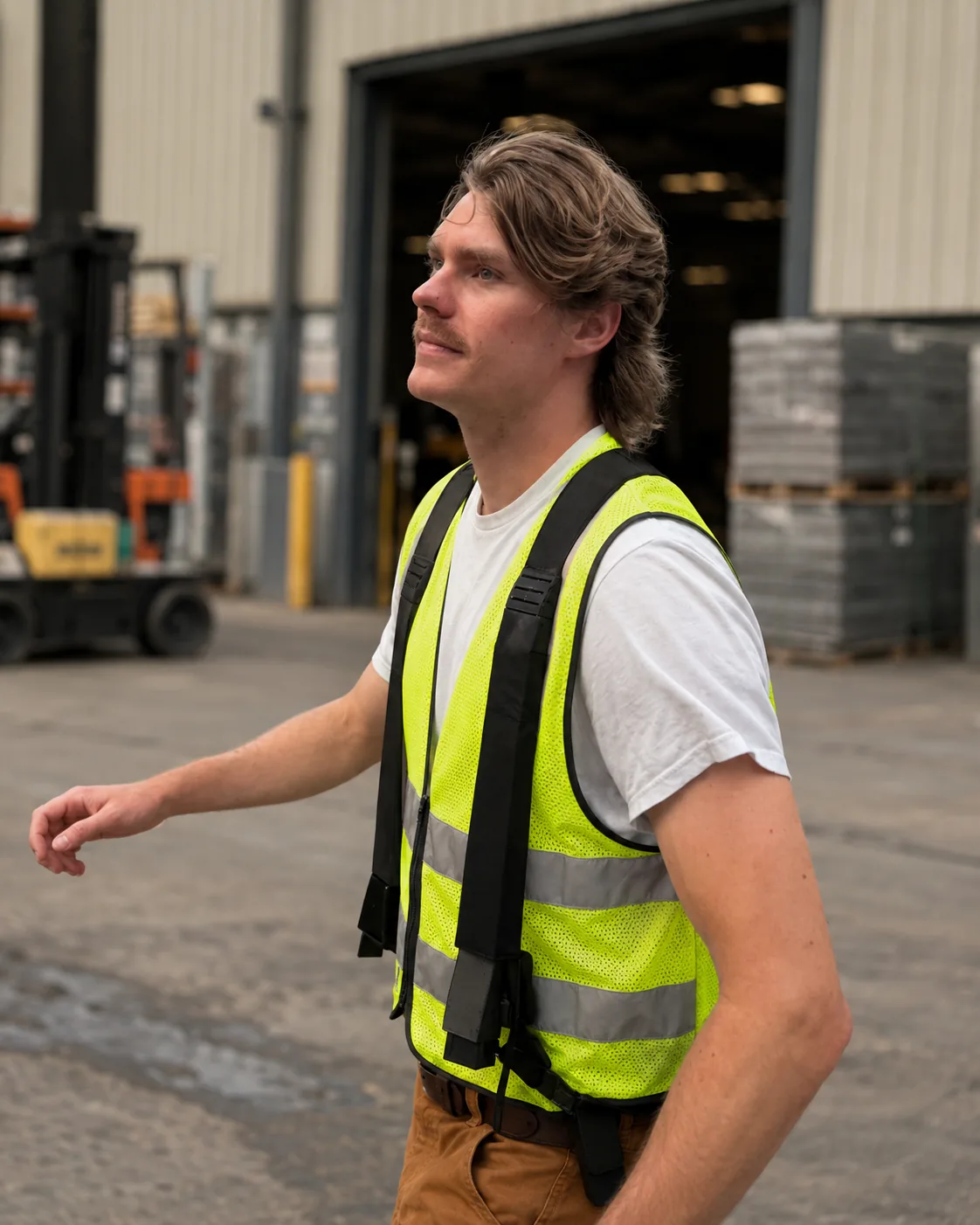
Clema makes battery-powered cooling wearables for industrial crews. How the technology works is on our technology page.
Any cooling wearable, ours included, adds to the measures above. It doesn't replace required PPE, water, rest, shade, acclimatization or training. Use the questions above with every supplier, including us.
Frequently asked questions
Does PPE cause heat stress?
Do I adjust WBGT readings for protective clothing?
Is a cooling vest PPE?
Can a cooling wearable replace water, rest and shade?
At what temperature does California's indoor heat rule apply?
Sources
OSHA. “Heat Hazard Recognition” (clothing adjustment factors, effective WBGT). Read the page. Checked October 24, 2026.
OSHA. “Engineering Controls, Work Practices, and Personal Protective Equipment.” Read the page. Checked October 24, 2026.
OSHA. “Heat: Standards” (General Duty Clause, related PPE standard). Read the page. Checked October 24, 2026.
OSHA. “Heat Injury and Illness Prevention in Outdoor and Indoor Work Settings Rulemaking” (proposed rule status; Federal Register notice of August 30, 2024). Read the page. Checked October 24, 2026.
OSHA. “National Emphasis Program: Outdoor and Indoor Heat-Related Hazards,” CPL 03-00-024, April 10, 2026. Read the directive page.
CDC/NIOSH. “PPE Heat Burden.” Dated July 15, 2026. Read the guidance.
NIOSH. “Criteria for a Recommended Standard: Occupational Exposure to Heat and Hot Environments,” Publication 2016-106 (sections 3.3, 6.3 and the acclimatization table). Read the document.
California Code of Regulations, Title 8, section 3396, Heat Illness Prevention in Indoor Places of Employment. Read the rule. Checked October 24, 2026.