Clema heat injury data · OSHA records through November 2025

OSHA heat inspections: since 2022, nearly half of heat hospitalizations bring an inspector.

If one of your workers ends up in hospital with heat illness, the odds that OSHA follows up in person have nearly doubled. From 2015 to 2021, 24% of heat hospitalizations reported to OSHA led to an inspection. From 2022 to 2024, it was 43%.

24% → 43%of heat hospitalizations linked to an OSHA inspection, before vs since the 2022 heat program.
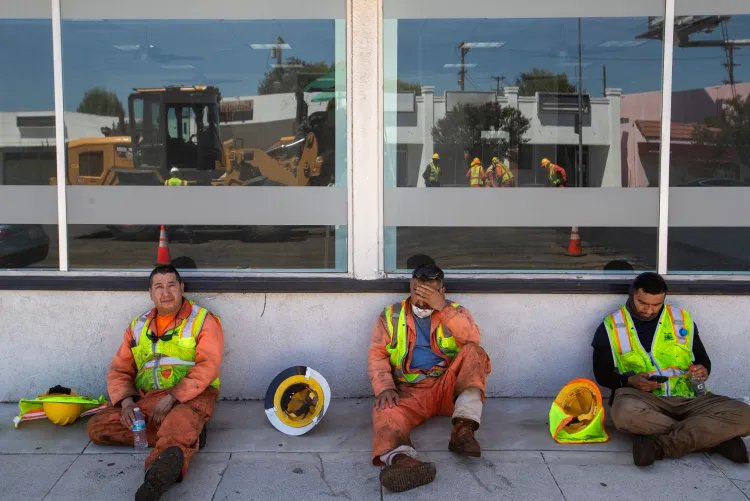
Three construction workers in hi-vis resting on the ground in the shade
A hospitalization now usually means a visit.

The jump came the year the heat program started.

OSHA launched its heat National Emphasis Program in April 2022 and told its offices to respond in person to heat hospitalizations. The share of heat reports tied to an inspection more than doubled that year and has stayed there.

Share of heat-related severe injury reports linked to an OSHA inspection, 2015 to 20252015: 22.8%. 2016: 27.9%. 2017: 24.8%. 2018: 24.2%. 2019: 28.9%. 2020: 13.8%. 2021: 19.1%. 2022: 44.8%. 2023: 41.1%. 2024: 44.9%. 2025 (January to November, links still being added): 35.2%.0%20%40%60%Heat emphasis program, Apr 202223%201528%201625%201724%201829%201914%202019%202145%202241%202345%202435%2025*

* 2025 is January to November, and inspection links for recent cases can still be added. Source: Clema analysis of OSHA Severe Injury Reports, federal OSHA jurisdiction.

OSHA’s own numbers tell the same story.

These figures come straight from OSHA’s heat program directives, not from our dataset.

About 12× more heat inspections

Roughly 200 a year from 2015 to 2020, about 2,400 a year on average from 2022 to 2025 (CPL 03-00-024).

1,392 hazard alert letters

Sent between April 2022 and December 2024, alongside 60 General Duty Clause heat citations (CPL 03-01-024).

Letters follow you

The renewed 2026 program prioritizes employers that have already received a heat citation or hazard alert letter. See OSHA heat inspections in 2026.

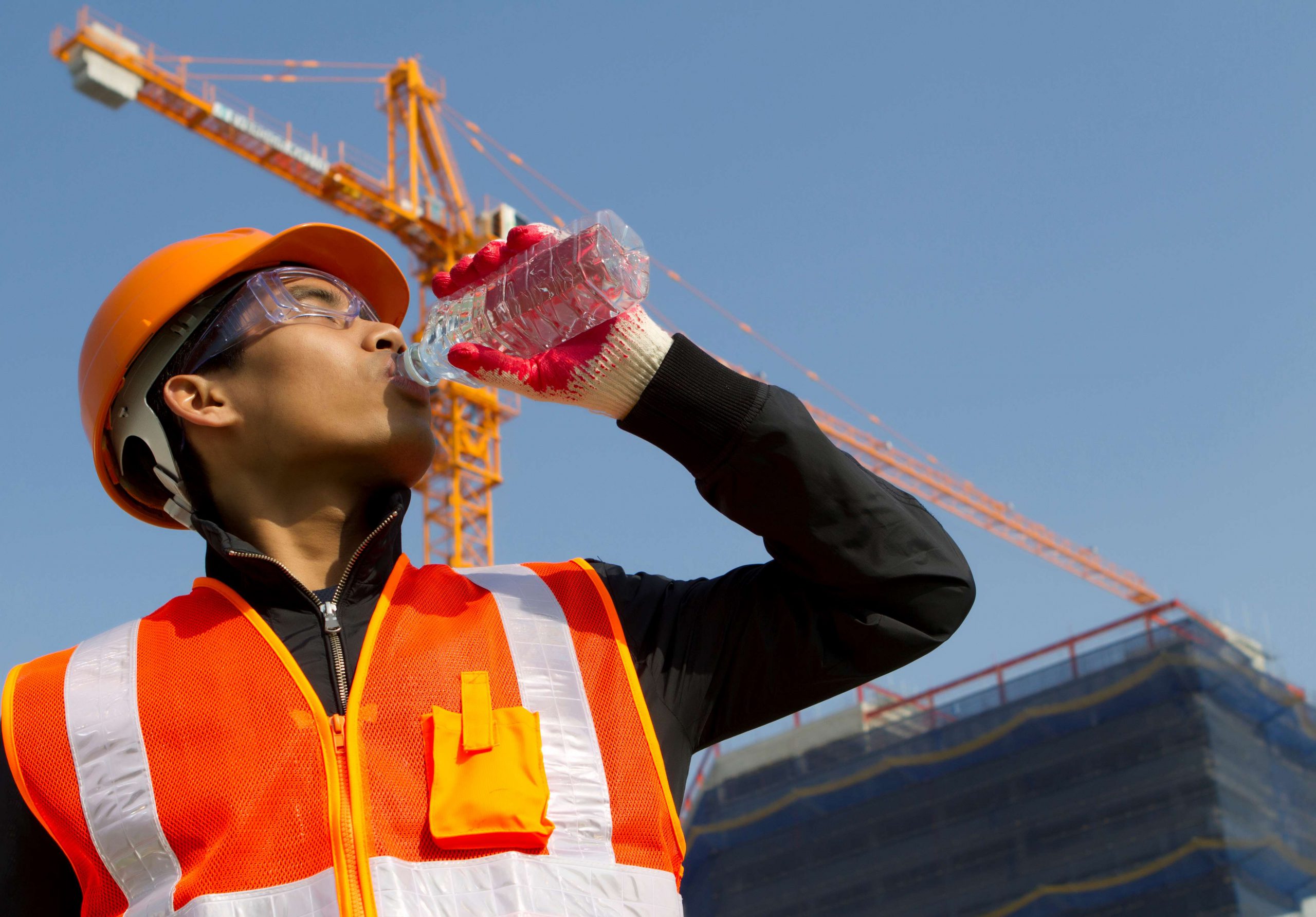
A construction worker in a hard hat and orange hi-vis vest drinking water under a crane
Water, rest and shade are the first things an inspector checks.

What an inspector will ask to see.

If someone on your site is hospitalized for heat, assume a visit. These are the records that make it a short one.

  • Ramp new and returning people up. Most serious heat cases hit in the first days on the job. Use a written acclimatization schedule.
  • Measure heat where the work is, and set work/rest by it. WBGT limits tell you more than the forecast.
  • Nobody works the hot hours unwatched. Buddy checks, radio check-ins for solo workers, and supervisors who know the signs (heat stress training).
  • Write it down. A site-specific heat illness prevention plan is the first thing an inspector asks for.

More from the data.

Questions people ask about this data.

How often does OSHA inspect after a heat injury?
Since OSHA's heat National Emphasis Program began in April 2022, about 43% of heat-related severe injury reports (2022 to 2024) have been linked to an OSHA inspection, up from about 24% in 2015 to 2021.
How many heat citations has OSHA issued?
OSHA reports 60 General Duty Clause heat citations and 1,392 heat hazard alert letters between April 8, 2022 and December 29, 2024, across roughly 7,000 heat-related inspections (OSHA Instruction CPL 03-01-024).
What does OSHA check in a heat inspection?
Inspectors look for a heat illness prevention program: a written plan, water, rest and shade, how new and returning workers are acclimatized, training, and how heat is measured and acted on. They also review injury records and interview workers.

First batch sold out · limited 2027 deployment

Keep your crew out of these numbers.

Early AccessROI calculator